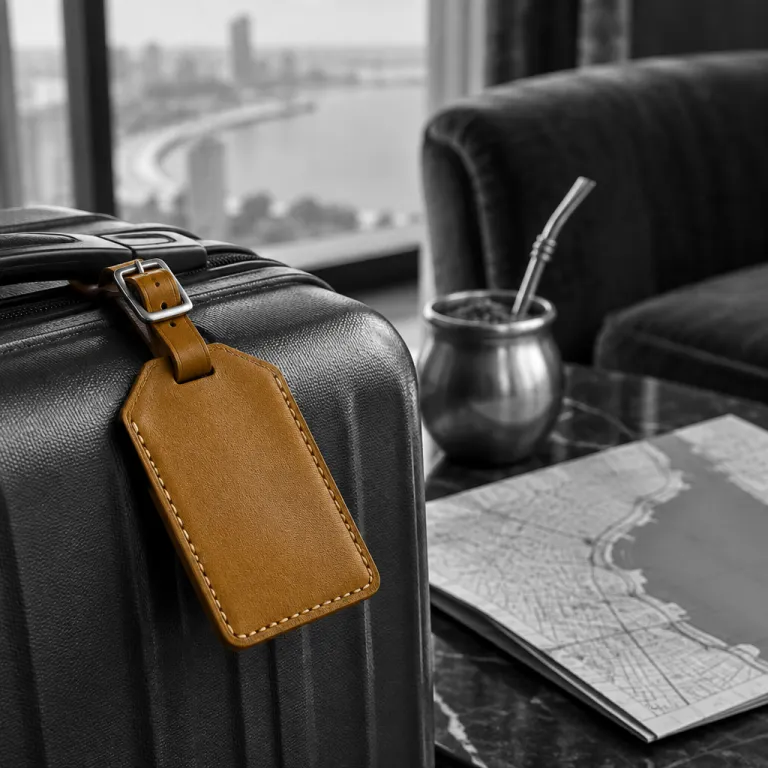
What Argentina is renowned for in luxury travel
Argentina is renowned as a country where grand landscapes meet refined urban style. In luxury travel, the country’s appeal ranges from palatial stays in Buenos Aires to wilderness lodges facing the Perito Moreno Glacier. For travelers asking what is Argentina known for, the answer blends culture, food, wine, and people into one elegant journey.
Buenos Aires, often called the “Paris of South America,” anchors many premium itineraries through the region. The city’s historic barrios, from Recoleta to San Telmo, frame a sophisticated hotel scene that reflects deep Argentina culture. High-end properties here translate the rhythm of tango, the cadence of Spanish, and the warmth of Argentine hospitality into tailored stays for discerning guests.
Across Latin America, Argentina is famous for its combination of world-class meat, nuanced wine, and passionate tango. Luxury hotels respond by curating Argentine cuisine experiences that highlight local specialties such as asado, empanadas, and dulce de leche desserts. When you book a premium room or suite, you are not only choosing a bed; you are choosing front-row access to what Argentina is truly about.
How Buenos Aires luxury hotels express Argentina culture
Buenos Aires hotels are often the first answer to the question what Argentina is known for in urban sophistication. In Recoleta, grand properties overlook tree-lined avenues where people linger over yerba mate and ice cream on shaded terraces. These hotels showcase Argentina famous design details such as marble lobbies, curated art, and wine cellars focused on Malbec from destinations south like Mendoza and Patagonia.
In Palermo, luxury stays feel more residential, with leafy streets, creative food, and a relaxed South American energy. Here, chefs reinterpret traditional Argentine dishes, pairing grilled meat with organic vegetables and finishing menus with dulce de leche tasting plates. Many concierges arrange private tango lessons, Spanish language guides, and transfers to national cultural venues so guests can feel how Argentina culture lives beyond the hotel walls.
For travelers comparing properties, this guide to choosing a first luxury hotel in Argentina that matches your travel style is especially useful. It explains how each Buenos Aires neighborhood offers different best things for different types of guests, from nightlife to museums. When you align your hotel’s character with your own, you experience what Argentina is known for in a way that feels both personal and effortlessly premium.
Gastronomy, wine, and the ritual of mate in premium stays
Ask any frequent visitor what Argentina is known for, and food will appear near the top of the list. Luxury hotels across the country elevate Argentine gastronomy, turning simple dishes into refined tasting menus. From Buenos Aires to Patagonia, chefs highlight local produce such as grass-fed meat, artisanal cheese, and seasonal vegetables from destinations south of the capital.
Argentina is famous for steak, and premium properties treat meat as a centerpiece of the guest experience. Many hotels feature parrilla restaurants where Argentine asadores grill cuts like bife de chorizo over wood embers, pairing them with Malbec wine from Uco Valley or Salta. These dining rooms often become informal salons where people from different parts of South America and Latin America share travel stories late into the night.
Desserts bring another layer of what Argentina is known for, especially dulce de leche in all its forms. You will find dulce de leche folded into ice cream, layered in pastries, and served as a simple spoonful beside strong coffee. Even in the most refined settings, this dulce de leche flavor connects guests to childhood memories and to the broader Argentina culture of comfort food.
Wine country retreats and the culture of yerba mate
Beyond Buenos Aires, wine country stays in Mendoza and Salta reveal another side of what Argentina is renowned for. Vineyard resorts offer suites with Andes views, private tastings of national grape varieties, and menus that pair regional dishes with carefully selected wine flights. These properties show how a South American wine region can feel both grounded in the land and unmistakably luxurious.
For travelers who want an elevated wine country stay in Uco Valley, this detailed review of one of the best vineyard resorts in Mendoza is a valuable reference. It illustrates how Argentina famous wine heritage translates into private villas, expert-led tastings, and curated excursions into the surrounding national landscapes. Experiences like these help explain why Argentina is considered one of the best destinations south of the equator for oenophiles.
Alongside wine, the ritual of yerba mate remains central to Argentina culture, and luxury hotels increasingly honor it. Some properties offer mate ceremonies on rooftop terraces, where guests learn how people share the gourd and pass it clockwise. This simple act, repeated across the country from Buenos Aires to Tierra del Fuego, reveals what Argentina is known for at heart: connection, conversation, and a sense of belonging.
From Iguazú Falls to Patagonia: iconic landscapes with luxury bases
When travelers ask what Argentina is known for beyond its cities, the answer often begins with Iguazú Falls. This immense waterfall system, located in a lush national park on the border with Brazil, is one of the most famous natural sights in South America. Luxury lodges near Iguazú Falls provide private balconies, guided walks, and fine dining that highlight local food and wine while respecting the surrounding rainforest.
Far to the south, Patagonia offers a different expression of what Argentina is renowned for. Here, wind-sculpted steppe, turquoise lakes, and the Perito Moreno Glacier create a dramatic stage for adventure. High-end lodges and hotels in Patagonia design excursions to the Moreno Glacier and nearby national park trails, then welcome guests back with Argentine meat stews, regional wine, and warm hospitality from local people.
Even further south, Tierra del Fuego and the city of Ushuaia mark the end of the continent in Latin America. In this region, often called the gateway to Antarctica, travelers can stay in refined properties that overlook the Beagle Channel and the mountains of the del Fuego archipelago. These stays show what Argentina is known for in its southernmost form: raw nature, resilient culture, and a sense of being at the edge of the world.
Choosing the right season and style for your stay
Seasonality shapes how you experience what Argentina is known for, especially in Patagonia and Iguazú. Shoulder months often bring fewer crowds, softer light, and more attentive service in both national park areas and major cities. For guests seeking smarter luxury travel, this guide to visiting Argentina during the shoulder season explains why timing can be one of the best things you control.
In Patagonia, some lodges close during the deepest winter, while others lean into snow-based activities. When you plan, consider how you want to see the Perito Moreno Glacier and the surrounding national park, whether by boat, on foot, or from a scenic overlook. In Iguazú, higher water levels can make the falls even more dramatic, but warm temperatures and humidity may influence which hotel facilities feel most important to you.
Across the country, luxury properties adapt to the rhythm of South American seasons, from poolside afternoons in Buenos Aires to firelit evenings in Tierra del Fuego. Understanding these patterns helps you align your stay with what Argentina is known for at different times of year. The result is a trip that feels both comfortable and deeply connected to place.
Buenos Aires gems: neighborhoods and hotels for every luxury traveler
Buenos Aires remains the primary gateway for international flights into Argentina, and its neighborhoods offer distinct luxury personalities. Recoleta appeals to travelers who want classic elegance, proximity to national museums, and easy access to some of the best ice cream parlors in the city. Palermo attracts guests who value creative food, leafy streets, and a more informal South American energy.
San Telmo and the historic center reveal what Argentina is known for in terms of heritage and tango. Here, cobblestone streets, antique markets, and Spanish colonial facades frame smaller premium hotels with strong design identities. Many of these properties curate experiences that highlight Argentina culture, from private tango shows to tastings of regional dishes such as locro, humita, and dulce de leche pastries.
Puerto Madero, by contrast, showcases the modern face of Buenos Aires with glass towers and waterfront promenades. Luxury hotels here often feature expansive spas, contemporary art, and restaurants that reinterpret Argentine classics with international techniques. Whether you choose Recoleta, Palermo, San Telmo, or Puerto Madero, you will encounter different answers to the question what Argentina is known for in its capital city.
What to expect from premium hotel services in the capital
High-end hotels in Buenos Aires understand that people booking luxury stays expect more than a comfortable room. Many properties offer bilingual Spanish and English concierges who can secure last-minute tables at famous parrillas, arrange private tango lessons, or organize day trips to nearby wine regions. These services help guests experience the best things the city offers without logistical stress.
Wellness facilities are another hallmark of what Argentina is renowned for in its premium hotel segment. Spas often incorporate local ingredients such as Malbec grape extracts, Patagonian herbs, and mineral-rich mud from destinations south of Buenos Aires. After a day exploring national cultural sites or strolling along the Río de la Plata, these treatments provide a restorative pause.
Dining remains central, with many hotels hosting restaurants that locals consider among the best in the country. Menus highlight Argentine meat, seasonal vegetables, and desserts built around dulce de leche and artisanal ice cream. When locals choose to eat in hotel restaurants, it signals that these venues reflect authentic Argentine culinary traditions rather than generic international fare.
Understanding Argentina culture through curated hotel experiences
Luxury hotels across Argentina increasingly act as cultural interpreters, helping guests understand what Argentina is known for beyond surface impressions. Many properties design experiences that connect travelers with local people, from artists and chefs to tango dancers and naturalist guides. These encounters reveal how Argentina culture blends European influences with indigenous traditions and South American creativity.
In Buenos Aires, some hotels host intimate tango performances that explain the dance’s origins in the port neighborhoods. Guests learn how the music, lyrics in Spanish, and movement reflect the history of immigration and longing in this part of Latin America. Such events turn an evening of entertainment into a deeper exploration of what Argentina is renowned for emotionally.
Outside the capital, lodges in Patagonia and the northwest organize visits to estancias and small communities. Travelers may share yerba mate with gauchos, taste regional dishes such as goat stews or quinoa recipes, and hear stories about life in remote destinations south of Buenos Aires. These curated moments show that what Argentina is known for includes resilience, hospitality, and a strong connection to land.
Food, language, and daily rituals inside luxury properties
Inside hotels, everyday rituals also teach guests about Argentina culture in subtle ways. Breakfast buffets often feature medialunas, regional cheeses, and dulce de leche spreads alongside international options. Staff may switch gracefully between Spanish and English, reflecting how people in major cities navigate both local and global worlds.
Afternoon tea or merienda in many properties includes pastries filled with dulce de leche, small sandwiches, and sometimes mate service. This pause in the day illustrates what Argentina is known for socially: taking time to connect, even in a busy capital like Buenos Aires. In Patagonia or Tierra del Fuego, the same ritual might involve hot chocolate or herbal infusions after a day near the Perito Moreno Glacier or in a nearby national park.
Even the way wine is served tells a story about Argentina famous grape varieties and regional pride. Sommeliers explain differences between Malbec from Mendoza and Pinot Noir from destinations south in Patagonia, helping guests understand the diversity within one country. Through these details, luxury hotels become living classrooms for what Argentina is renowned for in daily life.
Planning your luxury stay: practical tips for hotel booking in Argentina
Planning a premium trip to Argentina begins with clarifying what you personally want to experience. If your main interest is Argentine food and wine, focus on Buenos Aires and Mendoza, then add a few days in Patagonia for contrast. Travelers who prioritize nature and national park visits may instead center their itinerary on Iguazú Falls, the Perito Moreno Glacier, and Tierra del Fuego.
When comparing hotels, look beyond star ratings to understand how each property interprets what Argentina is known for. Some emphasize gastronomy, with tasting menus built around Argentine meat, regional specialties, and extensive wine lists. Others highlight wellness, adventure, or culture, offering activities such as tango classes, Spanish lessons, or guided hikes in destinations south of the capital.
Booking policies also matter, especially in a South American country where internal flights and weather can affect plans. Flexible rates may cost more but can be the best option if you are combining Buenos Aires, Patagonia, and Iguazú Falls in one journey. Reading recent guest feedback helps you gauge how consistently a hotel delivers on the Argentina famous promise of warm, attentive service.
Aligning expectations with what Argentina is renowned for
Luxury in Argentina often feels more personal and less formal than in some other parts of Latin America. Staff may address you by name, remember your preferred mate or coffee order, and suggest local places that match your interests. This style reflects what Argentina is known for culturally: closeness, conversation, and a relaxed approach to hospitality.
At the same time, infrastructure can vary between Buenos Aires and remote destinations south such as Tierra del Fuego or rural Patagonia. In national park areas near the Moreno Glacier or Iguazú Falls, premium lodges may prioritize location and experience over ultra-urban polish. Understanding this balance helps you appreciate why these properties are considered among the best things in the country for nature-focused travelers.
Ultimately, the most rewarding trips align your hotel choices with the aspects of Argentina culture that resonate with you. Whether you are drawn to tango in Buenos Aires, wine in Mendoza, or glaciers in Patagonia, each stay becomes a lens on what Argentina is known for. Thoughtful planning turns a series of hotel bookings into a coherent, memorable journey through one of South America’s most compelling destinations.
Key figures that shape luxury travel in Argentina
- According to the World Travel & Tourism Council, travel and tourism contributed around 7 percent of Argentina’s total GDP in 2019, underscoring how central visitors are to the national economy and to the development of premium hotel infrastructure (World Travel & Tourism Council, 2020).
- Data from the National Institute of Statistics and Census of Argentina indicate that international arrivals surpassed 7 million visitors in 2019, with a significant share entering through Buenos Aires and then connecting to destinations south such as Patagonia and Iguazú Falls (INDEC, 2020).
- UNESCO recognizes Iguazú National Park and Los Glaciares National Park, home to the Perito Moreno Glacier, as World Heritage Sites, which reinforces why these areas attract high-end lodges and remain among the best things to see in the country (UNESCO World Heritage Centre, 2020).
- Wine industry reports from Wines of Argentina show that Malbec accounts for roughly 22 percent of the country’s vineyard area, explaining why luxury hotels across South America associate Argentina famous wine experiences primarily with this grape (Wines of Argentina, 2021).
- Studies by the Inter-American Development Bank highlight that Argentina, as part of Latin America, has seen steady investment in sustainable tourism projects, especially in Patagonia and Tierra del Fuego, which benefits travelers seeking premium stays near protected national park environments (Inter-American Development Bank, 2019).
FAQ about luxury and premium hotel stays in Argentina
What is Argentina known for among luxury travelers ?
Argentina is known for combining sophisticated urban stays in Buenos Aires with dramatic landscapes such as Iguazú Falls, Patagonia, and Tierra del Fuego. Luxury travelers value the country’s food, especially Argentine meat and dulce de leche desserts, as well as its wine culture centered on Malbec. Many guests also highlight tango, Spanish-speaking hospitality, and the warmth of local people as defining elements of Argentina culture.
Which areas of Buenos Aires are best for high end hotels ?
Recoleta and Puerto Madero host many of the city’s most established luxury properties, with grand architecture, river views, and easy access to national cultural institutions. Palermo offers more contemporary options, close to creative Argentine food venues and nightlife. San Telmo and the historic center provide character-rich stays that emphasize heritage, tango, and proximity to famous landmarks.
How many days should I plan for a first luxury trip to Argentina ?
For a first visit focused on what Argentina is known for, many travelers plan at least ten to twelve days. This usually allows four nights in Buenos Aires, three in a wine region such as Mendoza, and three in Patagonia or near Iguazú Falls. With more time, you can add destinations south like Tierra del Fuego or extend your stay in a favorite national park area.
Is Argentina safe for luxury travelers and solo visitors ?
Argentina is generally safe for luxury and solo travelers who follow standard urban precautions, especially in Buenos Aires and other major cities. High-end hotels typically offer secure environments, vetted transport options, and concierge advice on safer neighborhoods and routes. In remote areas such as Patagonia and national park regions, risks are more related to weather and terrain, so guided excursions are recommended.
What is the best time of year to enjoy Argentina’s luxury hotels ?
Spring and autumn are often considered the best seasons for experiencing what Argentina is known for with fewer crowds and comfortable temperatures. These shoulder periods work well for combining Buenos Aires, wine regions, and Patagonia in one itinerary. Summer can be ideal for Patagonia and Tierra del Fuego, while winter suits travelers who want snow landscapes and quieter cities.