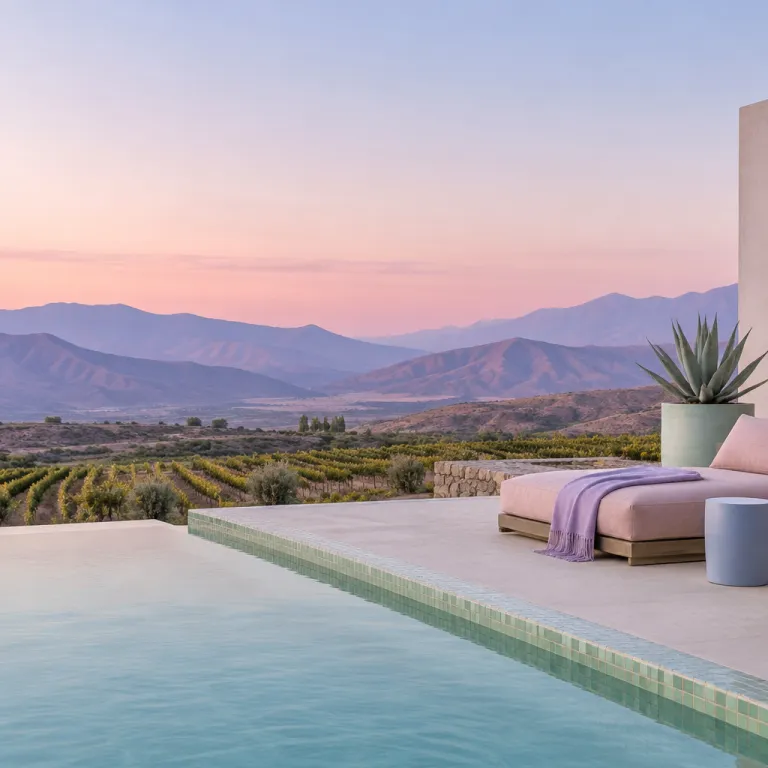
Argentine Salta for luxury travelers seeking refined Andean adventures
Argentine Salta sits in the northwest of the country and offers a rare blend of high desert scenery, Andean culture, and polished hospitality. This is a city where elegant hotels frame mountain views, where every day can balance curated adventure with spa time and fine wine from nearby valleys. For travelers planning a premium trip, Salta becomes a natural base for exploring northern Argentina and its most dramatic natural wonders.
The historic city of Salta, often called Salta la Linda by locals, charms visitors with its pastel facades and graceful arcades around Plaza 9 de Julio, sometimes written as plaza julio in older guides. Around this central square, you will find some of the best luxury hotels in the city, many housed in restored colonial mansions with shaded courtyards and rooftop pools. Staying near Plaza 9 de Julio keeps you close to the cathedral, the cabildo, and the main dining streets, which is ideal when you return from long day trips to the surrounding valleys.
From Buenos Aires, most travelers fly into Salta after spending a few days in the capital city, often combining tango evenings in Buenos Aires with Andean adventures in the north. The direct flight usually takes a little over two hours, turning a dense urban experience in the south of the country into a serene Andean escape in the northwest within a single day. This contrast between the cosmopolitan energy of Buenos Aires and the slower rhythm of Salta is one of the reasons many seasoned South America travelers rate this route among the most rewarding in Argentina.
Luxury and premium hotels in Salta understand that guests often arrive after long intercontinental travel days, sometimes connecting through other South America hubs. Many properties offer early check in on request, private airport transfers, and multilingual concierges who speak fluent Spanish and English to ease the transition. When you step into a marble lobby scented with local herbs after the heat and dust of the road from the airport, you immediately feel why the city has become a reference point for high end Andean stays.
For travelers designing a longer trip through Argentina, Salta works beautifully as a northern anchor that complements Patagonia in the far south and Iguazú Falls in the subtropical northeast. Some guests choose to start in the glaciers and fjords of Patagonia, then fly north to Salta for warmth, wine, and salt flats before ending near Puerto Iguazú for rainforest and waterfalls. This triangle across the country allows you to experience a remarkable geographic range, from the high altitude deserts of the northwest to the icy channels of the south and the lush forests around Iguazú Falls.
Where to stay in Salta city for premium comfort and Andean style
Choosing the right neighborhood in Salta is the first step toward a seamless luxury stay. Most premium travelers prefer to sleep within a short walk of Plaza 9 de Julio, where colonial architecture, museums, and upscale restaurants cluster around the main square. From here, you can stroll to the San Francisco Church, admire its ornate façade at night, and still be back in your suite within minutes.
High end hotels near the cathedral and the San Francisco complex often feature rooftop terraces with panoramic views of the city and the surrounding hills. These vantage points are especially striking at sunset, when the sky glows over Cerro San Bernardo and the lights of Salta begin to flicker on below. After a day trip to the Calchaquí Valleys or the salt flats, sipping a glass of local Torrontés wine on a rooftop while the city hums softly beneath you feels like the best possible reward.
Travelers who value quiet nights sometimes choose luxury properties a few blocks away from Plaza 9 de Julio, where tree lined streets soften the city noise. These hotels still offer easy access to the main attractions, including the cable car to San Bernardo Hill and the San Francisco Church, but they provide a more residential atmosphere. For families planning winter travel in Argentina, it can be interesting to combine a stay in Salta with time in the Andes ski resorts described in this guide to family friendly skiing in the Andes.
Many premium hotels in Salta now integrate local materials and crafts into their design, creating a sense of place without sacrificing comfort. Expect polished stone floors, woven textiles from northern Argentina, and curated art that reflects both Spanish colonial heritage and Indigenous Andean traditions. This blend of styles helps guests feel connected to the region while still enjoying amenities such as heated pools, high thread count linens, and refined wine lists.
When planning how many days to allocate to the city itself, most luxury travelers find that two or three days in Salta works well before focusing on longer day trips. One full day can be dedicated to walking the historic center, visiting the MAAM museum, and riding the cable car up San Bernardo Hill for sweeping views of the city. A second day allows time for a guided food tour, a visit to the San Francisco complex, and perhaps a spa treatment before you head toward the salt flats or the vineyards of Cafayate.
Designing an Andean road trip from Salta for luxury explorers
Salta is one of the best starting points in South America for a scenic Andean road trip that combines comfort with adventure. From the city, well maintained highways and mountain roads radiate toward the Calchaquí Valleys, the high altitude salt flats, and the colorful quebradas of northern Argentina. With a private driver or a premium rental vehicle, you can shape each day trip around your interests and your preferred travel pace.
One classic itinerary begins in Salta and heads south toward Cafayate, passing through the Quebrada de las Conchas with its sculpted red rock formations. Many luxury travelers choose to spend one or two days in Cafayate, staying in vineyard hotels where every evening ends with a tasting of high altitude wine under the stars. This southern loop from Salta offers a gentle introduction to Andean landscapes before you tackle the more remote salt flats and mountain passes to the north.
Another popular road trip heads north from the city toward Jujuy, following the route that many guides describe as the backbone of the Argentine northwest. Along this road, you can visit Purmamarca, Tilcara, and Humahuaca, each with its own blend of Indigenous heritage, Spanish colonial architecture, and mountain scenery. Luxury travelers often arrange private guides who can explain local history in both Spanish and English, ensuring that every stop becomes more than just a photo opportunity.
For those who prefer not to drive, many high end hotels in Salta can organize chauffeured vehicles for full day trips or multi day circuits. This option allows you to relax between stops, enjoy the changing views, and arrive at each hotel refreshed rather than tired from the road. It also means you can safely enjoy wine tastings in Cafayate or other valleys without worrying about driving back to the city after dark.
As you plan your broader Argentina itinerary, consider pairing your northern road trip with a stay in Patagonia, where properties such as the Arakur Ushuaia, featured in this overview of a refined Patagonia retreat above the end of the world, offer a contrasting southern experience. You can then return to Buenos Aires for a final night in the city before flying home, completing a loop that links the deserts of Salta, the glaciers of the south, and the cultural heart of Argentina. For more ideas on characterful provincial stays that complement the northwest, you can consult this guide to cultural hotels in Argentina’s provinces.
From salt flats to salinas grandes: high altitude luxury experiences
One of the most striking day trips from Salta leads to the salt flats of Salinas Grandes, a vast white expanse that sits at high altitude on the border between Salta and Jujuy provinces. Reaching this plateau involves a dramatic climb along winding mountain roads, where every curve reveals new views over the northwest. Many luxury travelers choose to arrange private vehicles with experienced drivers who understand how to handle the altitude and the changing weather conditions.
At Salinas Grandes, the salt crust stretches to the horizon, creating a surreal landscape that contrasts sharply with the green valleys near the city. Photographers appreciate the way the light reflects off the salt, while wellness focused travelers value the sense of space and silence that defines this part of northern Argentina. Because of the elevation, it is wise to plan a gentle schedule, drink plenty of water, and allow your body time to adjust during the day trip.
Premium tour operators based in Salta often combine Salinas Grandes with visits to small Andean villages, where you can learn about traditional salt extraction and local crafts. These curated day trips usually include gourmet picnics, comfortable vehicles, and guides who can explain both the geology of the salt flats and the cultural history of the region in fluent Spanish and English. Returning to your hotel in the city after a full day in the sun and wind, you will appreciate the contrast between the stark landscape and the softness of a well appointed suite.
Some travelers extend this high altitude experience into a multi day road trip that links Salinas Grandes with other natural wonders in northern Argentina, such as the Quebrada de Humahuaca and the Hill of Seven Colors in Purmamarca. In this case, you might spend one or two nights in lodges in the Salta–Jujuy region before returning to the city for a final evening near Plaza 9 de Julio. This pattern of alternating remote stays with urban comfort is one of the best ways to balance adventure and relaxation in and around Salta.
When comparing the salt flats of Salinas Grandes with other iconic landscapes in South America, such as the Uyuni salt flats in Bolivia or the glaciers of Patagonia in the far south, many travelers appreciate how accessible Salinas Grandes is from a refined urban base. You can wake up in a luxury hotel in the historic center, enjoy a leisurely breakfast, and still reach the salt flats in time for midday light, then be back in the city for a late dinner. This ease of access makes the region particularly attractive for travelers who want to experience high altitude environments without sacrificing comfort or spending too many days in transit.
Wine, gastronomy, and colonial charm in and around Salta
Beyond its dramatic landscapes, Argentine Salta has become a reference point for wine and gastronomy in northern Argentina, especially for travelers who value refined dining after active days. The city offers an impressive range of restaurants that highlight local ingredients, from Andean potatoes and quinoa to llama and river trout. Many of these establishments pair their menus with wine from nearby valleys, particularly Cafayate, which is renowned for its aromatic Torrontés produced at high altitude.
Walking through the historic center near Plaza 9 de Julio, you will notice how Spanish colonial architecture shapes the atmosphere of Salta, with arcaded sidewalks, pastel churches, and leafy squares. Some of the best premium hotels occupy restored mansions where courtyards have been transformed into candlelit dining spaces, creating intimate settings for long dinners after day trips. In these spaces, the line between hotel restaurant and destination dining often blurs, as locals and visitors alike seek out the same tables.
Wine focused travelers often design their trip to include both city based tastings in Salta and vineyard visits in Cafayate or other valleys to the south. A typical pattern might involve two days in the city, followed by two or three days in wine country, then a return to the northwest’s main hub for a final evening before flying back to Buenos Aires. This rhythm allows you to experience both the urban colonial charm of the region and the open landscapes of the south, all while deepening your understanding of high altitude wine production in northern Argentina.
Gastronomy in and around Salta also reflects the broader diversity of the country, linking the Andean north with the beef traditions of the pampas and the seafood rich coasts further south. On a single day, you might enjoy empanadas salteñas at a traditional café for lunch, then sit down to a multi course tasting menu that reinterprets regional dishes in a contemporary style for dinner. For many luxury travelers, these culinary contrasts become as memorable as the natural wonders they visit on their road trip through northern Argentina.
When planning your travel days, consider booking restaurants in advance, especially on weekends and during local festivals, as the best tables in Salta can fill quickly. Concierges at premium hotels are usually well connected and can secure reservations, arrange private tastings, or organize themed food tours that explore both Spanish colonial influences and Indigenous culinary traditions. This level of personalized service helps transform a simple trip into a layered experience that connects history, landscape, and flavor across Argentina.
Combining Salta with Buenos Aires, Patagonia, and Iguazú Falls
Many luxury travelers view Argentine Salta not as a standalone destination but as a key chapter in a broader Argentina itinerary that also includes Buenos Aires, Patagonia, and Iguazú Falls. Starting in the capital city allows you to adjust to the time zone, enjoy world class dining, and explore neighborhoods such as Recoleta and Palermo before heading north. From Buenos Aires, frequent flights connect you directly to Salta, where the pace slows and the Andean skyline replaces the Río de la Plata.
After several days in the northwest, exploring Plaza 9 de Julio, San Francisco Church, and San Bernardo Hill, many travelers fly south to Patagonia for glacier cruises, hiking, and wildlife watching. This shift from the high altitude deserts and salt flats of northern Argentina to the icy landscapes of the far south highlights the geographic diversity of the country. Properties in Patagonia often mirror the service standards you will have experienced in Salta, with attentive staff, strong wine lists, and guided excursions tailored to different fitness levels.
The final leg of a classic Argentina journey often leads to Puerto Iguazú, the gateway city to Iguazú Falls on the border with Brazil and Paraguay. Here, the climate turns subtropical, and the lush forests contrast sharply with the arid valleys around Salta and the windswept plains of Patagonia. By the time you stand on the walkways above the falls, you will have traced a line from the northwest to the south of Argentina, linking Andean salt flats, colonial plazas, and rainforest waterfalls in a single trip.
When planning such a multi region itinerary, it is wise to allocate at least two or three days in each major stop, including Buenos Aires, Salta, Patagonia, and Iguazú Falls. This structure allows enough time for both guided excursions and unstructured wandering, whether that means a leisurely afternoon in a café near Plaza 9 de Julio or a quiet evening in a Patagonia lodge watching the sky change color. Premium travel advisors and hotel concierges in Salta can help coordinate flights, transfers, and day trips so that each segment flows smoothly into the next.
Throughout this journey, you will notice how different regions of Argentina maintain distinct identities while sharing common threads, such as a love of wine, a strong café culture, and a deep appreciation for public squares and plazas. The Spanish colonial legacy is visible in the architecture of Salta and many northern towns, while Indigenous traditions remain vibrant in markets and festivals across the northwest. Experiencing these layers in person, from the salt flats near the Salta–Jujuy border to the spray of Iguazú Falls and the glaciers of the south, is what transforms a simple vacation into a meaningful exploration of South America.
Practical tips for luxury hotel booking in Argentine Salta
Securing the right hotel in Argentine Salta requires a clear sense of your priorities, whether that means views, spa facilities, or proximity to Plaza 9 de Julio. Start by deciding how many days you want to spend in the city itself versus on day trips or longer road journeys into northern Argentina. Once you know your rhythm, you can choose between properties that focus on urban elegance and those that serve as gateways to the surrounding natural wonders.
For travelers who plan multiple day trips to places such as Salinas Grandes, Cafayate, or the Salta–Jujuy corridor, staying in a central hotel near the main square often makes logistics easier. You can leave early in the day, return in the evening, and still have time to walk to dinner near the San Francisco Church or along the streets that radiate from Plaza 9 de Julio. Many premium hotels in Salta offer flexible breakfast hours, late check out, and luggage storage, which helps when your travel days involve early departures or late flights.
When comparing options, pay attention to how each property describes its approach to service, especially if you plan to arrange private guides, high altitude excursions, or customized wine tastings. Some hotels in the city maintain close relationships with trusted drivers and local experts, which can be invaluable when planning complex day trips across northern Argentina. Others may focus more on in house amenities, such as rooftop pools with views of San Bernardo Hill, wellness centers, or extensive wine cellars featuring labels from across Argentina, from the northwest to Patagonia and the south.
It is also worth considering how your stay in Salta fits into your broader South America itinerary, especially if you are combining the city with Buenos Aires, Puerto Iguazú, or destinations in the far south. Booking flexible rates can provide peace of mind if weather affects flights or if you decide to extend your time in the northwest after falling in love with the city. As you refine your plans, remember that the most rewarding trips balance structured experiences, such as guided visits to the salt flats, with open days that allow you to simply wander the colonial streets and enjoy the café culture of the region.
Finally, always check recent guest feedback and consult reputable travel resources when choosing among the best hotels in Salta, especially at the luxury and premium level. Look for consistent praise regarding cleanliness, staff professionalism, and the handling of logistics for day trips to natural wonders such as Salinas Grandes or the surrounding valleys. By aligning your expectations with the strengths of each property, you can ensure that your time in Argentine Salta becomes a highlight of your journey through northern Argentina and the wider landscapes of South America.
Key figures for luxury travel in Argentine Salta
- Salta city sits at an elevation of roughly 1 150 metres above sea level, which is significantly lower than many high altitude destinations in northern Argentina and makes it a comfortable base for acclimatisation before visiting places such as Salinas Grandes.
- The flight time between Buenos Aires and Salta is typically around 2 hours to 2 hours and 15 minutes, allowing travelers to move quickly between the capital city and the Andean north within a single day of travel.
- The distance by road between Salta and Cafayate is roughly 190 kilometres, which usually translates into a 3 to 4 hour drive each way, making it suitable either for a long day trip or an overnight stay in wine country.
- Salinas Grandes covers an area of just over 200 square kilometres, offering ample space for visitors to experience the vastness of the salt flats without feeling crowded, even during peak travel seasons.
- The region around Salta and Jujuy is home to several valleys where vineyards sit at elevations between about 1 500 and 3 000 metres, among the highest commercial wine growing areas in the world, which contributes to the distinctive character of high altitude Argentine wines.
FAQ about luxury and premium stays in Argentine Salta
How many days should I spend in Salta city on a luxury trip ?
Most luxury travelers find that two or three days in Salta city provide enough time to explore the historic center, enjoy local gastronomy, and take at least one short day trip. If you plan to visit both the wine regions to the south and the salt flats or mountain villages to the north, consider extending your stay to four or five days. This schedule allows for a comfortable pace and time to enjoy your hotel facilities without rushing.
Is Salta a good base for visiting Salinas Grandes and other salt flats ?
Yes, Salta is an excellent base for visiting Salinas Grandes and other nearby salt flats, especially if you prefer to return to a full service hotel each evening. Many premium properties can arrange private vehicles and guides for a full day trip that includes both the salt flats and surrounding villages. Because of the high altitude, it is wise to discuss pacing and acclimatisation with your hotel concierge or tour operator.
Can I combine Salta with Patagonia and Iguazú Falls on one trip ?
Combining Salta with Patagonia and Iguazú Falls is not only possible but common among travelers planning an extended Argentina itinerary. The usual pattern is to start in Buenos Aires, fly to Salta for several days, then continue south to Patagonia before finishing near Puerto Iguazú for the waterfalls. Coordinating internal flights in advance helps ensure smooth connections between these distant regions.
What type of luxury hotels are available in Salta Argentina ?
Salta offers a mix of luxury hotels housed in restored colonial buildings near Plaza 9 de Julio and contemporary properties with modern design and extensive amenities. Many feature rooftop pools, spas, and restaurants that highlight regional cuisine and high altitude wine. Service standards are generally strong, with concierges accustomed to arranging bespoke excursions across northern Argentina.
Is it safe and comfortable to do a self drive road trip from Salta ?
A self drive road trip from Salta can be safe and rewarding for experienced drivers who are comfortable with mountain roads and changing weather. Major routes to Cafayate and Jujuy are paved and well signposted, though some side roads to remote villages or viewpoints may be unpaved. Travelers who prefer not to drive can easily arrange private drivers through their hotels, combining comfort with local expertise.