Luxury travel in Argentina: where to stay in Buenos Aires, Patagonia and beyond
Buenos Aires gems for luxury stays and curated city experiences
Buenos Aires is often the first stop for many people planning a refined trip to Argentina, and it rewards those who linger. In this capital of Argentina, the most elegant urban hotels cluster in the Recoleta, Palermo and Puerto Madero districts, each neighbourhood offering a distinct rhythm and style. When you plan where to stay in Buenos Aires, think about how much time you want to spend walking between cafés, galleries and the Río de la Plata waterfront rather than in taxis.
For travellers who want to visit Argentina with a focus on culture, Recoleta highlights include grand hotels facing the cemetery and the Museo Nacional de Bellas Artes, where you can start each day with leafy views and quiet streets. Properties such as the Alvear Palace Hotel and Palacio Duhau – Park Hyatt Buenos Aires sit firmly in the luxury bracket, with entry-level rooms often starting around 35–40 square metres and nightly rates from roughly USD 450–700 in high season, while nearby boutique options offer a more intimate feel. Palermo offers a different range of experiences, with design-forward properties, rooftop pools and easy access to parks that invite a relaxed day between shopping and dining. In Puerto Madero, a high-end hotel places you steps from the river, the ecological reserve and some of the best steak restaurants in South America, which is ideal if you prefer to minimise transfers during a short trip.
Choosing the right hotel in Buenos Aires also means balancing your budget, mid-range and top-tier preferences. Many premium properties in the city now offer flexible packages that combine airport transfers, curated city tour experiences and late check-out, which can transform a simple overnight into a seamless start to your trip to Argentina. When comparing each hotel, look at room size in square metres, spa access and concierge services, because these details shape how you experience the surrounding neighbourhoods and cultural attractions during your stay.
Planning time in Buenos Aires and beyond for a seamless itinerary
Allocating the right amount of time in Buenos Aires is essential before you continue to other regions of Argentina such as Mendoza, Salta or Patagonia. A classic structure is to spend at least three full day-and-night combinations in the capital, which allows one day for a city tour, one day for independent exploration and one day for a themed experience like tango or architecture. If you are planning to visit Argentina during the shoulder season, using a specialised guide to smarter luxury travel in September can help you secure better rates in both mid-range and high-end properties.
From Buenos Aires, many travellers add a day trip to Tigre or San Isidro, which are calm riverside towns along the delta and offer a contrast to the energy of the city. The train from Retiro to Tigre, for example, takes about one hour, making it an easy escape. If you have more time, you can extend your journey through Argentina by flying to Mendoza for wine and spa experiences, or to Salta for colonial architecture and Andean landscapes, both of which feature prominently on any curated list of national highlights. When planning these extensions, consider flight times, check-in windows and transfer durations, because a poorly timed connection can reduce your effective time on the ground by almost a full day.
Luxury and premium hotel booking platforms focused on Argentina often allow you to combine multiple stays under one reservation, which simplifies changes if your plans evolve. This is particularly useful when you are balancing a mix of budget, mid-range and luxury nights across different parts of the country, because you can adjust one segment without losing the entire itinerary. Always check cancellation policies and payment schedules carefully, as flexible terms can be worth a slightly higher nightly rate when you are coordinating several flights and tours across South America.
Hidden corners of Buenos Aires for design lovers and food focused stays
Beyond the classic neighbourhoods, some of the most interesting areas in Argentina for design-conscious travellers are found in lesser-known corners of Buenos Aires. Districts such as Colegiales, Chacarita and San Telmo have seen a quiet rise in premium and mid-range hotel options, often housed in restored mansions with strong architectural character. Staying in these districts gives you more direct access to local markets, independent galleries and closed-door restaurants known as puertas cerradas, which are an essential part of the contemporary food scene in Argentina.
San Telmo is particularly appealing for guests who want to visit Buenos Aires with a focus on history and antiques, as many streets still retain their cobblestones and traditional façades. Here, a carefully chosen hotel can place you within walking distance of the Sunday market, tango venues and the riverside, which makes it easier to structure your day without long transfers. When evaluating each option, look at whether the property offers late breakfast, quiet rooms facing internal patios and concierge support for last-minute restaurant reservations, because these details matter in such a lively area.
For travellers who prefer a calmer atmosphere, Colegiales and Chacarita provide a softer rhythm while still keeping you close to Palermo and central Buenos Aires. These neighbourhoods are increasingly present on curated Argentina selections for repeat visitors, especially those who have already seen the main monuments and now want to focus on cafés, parks and local life. When you book through a specialised Argentina platform, you can often filter by neighbourhood character, which helps you align your hotel choice with the type of trip you want rather than only with star ratings.
From Buenos Aires to Patagonia and the great southern landscapes
Many travellers use Buenos Aires as a gateway to Patagonia, one of the most dramatic regions in Argentina for nature and adventure. From the capital, frequent flights connect you to El Calafate, Ushuaia and Bariloche, each serving a different area of Patagonia with its own character. If you are planning to visit Argentina with a focus on glaciers and hiking, El Calafate and its access to the Perito Moreno glacier should be high on your personal list of priorities.
El Calafate offers a range of hotels from comfortable mid-range properties to high-end lodges overlooking Lago Argentino, and the right choice depends on how many day trips you plan to take. The Perito Moreno glacier lies inside Los Glaciares National Park, a UNESCO World Heritage site, and most visitors join a structured tour that includes walkways, boat navigation and sometimes ice trekking. When selecting your hotel in this area, consider transfer times to the park, breakfast hours that align with early departures and whether the property can arrange private guides for more tailored hiking experiences.
Further south, Ushuaia positions itself as the southernmost city in South America and a key base for exploring Tierra del Fuego National Park. For travellers seeking a refined Patagonia retreat above the Beagle Channel, properties such as the Arakur Ushuaia, presented as a refined Patagonia retreat above the end of the world, combine panoramic views with spa facilities and easy access to hiking trails. When planning this segment of your trip to Argentina, remember that weather can change quickly, so flexible day-by-day planning and a comfortable hotel base become part of the overall luxury experience.
Iconic natural places in Argentina: Iguazú Falls, Salta and Mendoza
Beyond Patagonia, some of the most iconic destinations in Argentina for nature and wine are Iguazú Falls, Salta and Mendoza. Iguazú Falls straddle the border with Brazil and are protected by Iguazú National Park, another UNESCO World Heritage site that showcases subtropical rainforest and powerful cascades. Most travellers choose to stay in a hotel either inside the park or in Puerto Iguazú, and the best option depends on whether you prioritise immediate access to the falls or a wider range of dining choices in town.
Staying inside the national park allows you to visit the walkways early in the day, before most tour groups arrive, which can transform your perception of the falls. In Puerto Iguazú, a mix of budget and mid-range hotels cater to different Argentina trip profiles, from families to honeymooners, often with pools and jungle views. When planning your visit Argentina itinerary, allocate at least two full days here, as the Argentine and Brazilian sides of Iguazú Falls each offer distinct perspectives and walking circuits.
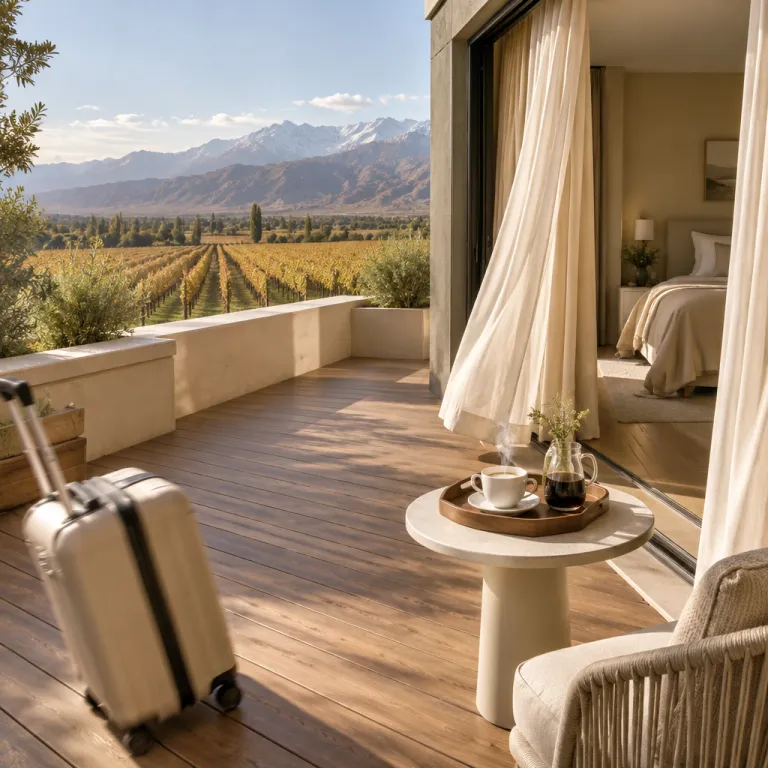
Salta and Mendoza provide a different type of landscape and are essential entries on any curated Argentina list for wine and culture. Salta city combines colonial architecture with access to high-altitude valleys, while Mendoza is the heart of Argentina’s Malbec production and offers vineyard hotels with spa facilities and fine dining. In both areas, choosing a hotel that can coordinate vineyard tours, hiking excursions and transfers will save you time and allow you to focus on the experiences rather than logistics during your stay.
Coastal and Atlantic places in Argentina: Mar del Plata, Puerto Madryn and beyond
The Atlantic coast offers another layer of Argentine destinations that appeal to travellers seeking sea air, wildlife and relaxed promenades. Mar del Plata is the classic seaside resort, popular with domestic travellers and increasingly visible on international Argentina lists for summer stays. Here, you will find a wide spectrum of hotel categories, from simple budget properties near the beach to premium towers overlooking the sea, and your choice should reflect how much time you plan to spend on the sand versus exploring the city.
Further south, Puerto Madryn serves as the main base for visiting Península Valdés, a UNESCO World Heritage site known for whales, penguins and marine life. Many visitors choose a mid-range or higher hotel in Puerto Madryn to ensure comfortable returns after long day excursions along the coast, especially during the cooler months. When you visit Argentina with wildlife in mind, check that your chosen property can coordinate responsible tour operators, as regulations in this area are designed to protect animals while still allowing close observation.
Along this coast, you will also encounter smaller towns and estancias that can be integrated into a longer Argentina trip, especially for repeat visitors who have already seen Buenos Aires and the major national parks. Combining Mar del Plata, Puerto Madryn and perhaps inland stops such as San Martín de los Andes in Patagonia allows you to experience both ocean and mountain environments within one itinerary. As always, the key is to align your hotel choices with your priorities, whether that means spa facilities, direct beach access or proximity to departure points for wildlife tours.
Torres del Paine, cross border routes and crafting a coherent luxury itinerary
Many travellers interested in Patagonia also look at combining destinations in Argentina with neighbouring Chile, especially around Torres del Paine National Park. While Torres del Paine lies in Chilean territory, it is often paired with El Calafate and the Perito Moreno glacier in Argentina, creating a powerful circuit of mountains, lakes and ice. When planning this cross-border segment, consider that transfer times between El Calafate and Torres del Paine can take most of a day, so a comfortable hotel at each end becomes essential.
In this region, you will encounter a mix of all-inclusive lodges and more traditional hotel formats, each offering different value for your Argentina trip. All-inclusive properties near Torres del Paine and in Argentine Patagonia often bundle guided hiking, meals and transfers, which can simplify logistics but may reduce flexibility for independent exploration. A mid-range or upper mid-range option in El Calafate combined with a higher-end stay near Torres del Paine can be an effective way to balance budget and comfort across several days of travel.
When you visit Argentina and Chile in one journey, it is helpful to create a clear Argentina list of priorities, such as specific hiking routes, wildlife sightings or photography goals. This allows you to choose hotels and tours that directly support those aims rather than simply following generic itineraries. By aligning your accommodation choices with your personal reasons for travel, you transform a sequence of bookings into a coherent narrative across some of the most memorable destinations in Argentina and the wider South America region.
Key figures for luxury and premium travel in Argentina
- According to the World Tourism Organization, Argentina receives more than 7 million international visitors per year, with a significant share concentrating in Buenos Aires and Patagonia, which underlines the importance of booking hotels well in advance during peak months (UNWTO Tourism Highlights, 2023 edition).
- Data from the Administración de Parques Nacionales indicate that Iguazú National Park and Los Glaciares National Park together attract over 2 million visitors annually, making early morning or late afternoon time slots particularly valuable for a quieter experience (APN annual visitation statistics, 2022 report).
- Studies from the Ministry of Tourism of Argentina show that average stays in Buenos Aires range from 3 to 5 nights for international travellers, while combined itineraries that include Patagonia or Iguazú Falls often extend total trip duration to 10 nights or more (Ministerio de Turismo y Deportes, Informe de Turismo Internacional, 2022).
- Industry reports on South America luxury travel suggest that all-inclusive Patagonia lodges near Torres del Paine and El Calafate can reach occupancy rates above 80 percent in high season, which reinforces the need to secure preferred room categories months ahead (regional hospitality benchmarks, 2023 analysis).
- Surveys of international visitors indicate that more than half of travellers to Argentina now research or book at least one hotel night through specialised local platforms, reflecting growing trust in region-specific expertise for complex itineraries (visitor survey data compiled in 2022 by national tourism authorities).
FAQ about luxury and premium hotel booking in Argentina
How many days should I spend in Buenos Aires on a first trip ?
For a first visit Argentina itinerary, plan at least three full days in Buenos Aires. This allows one day for a guided city tour, one day for independent exploration and one day for a themed experience such as tango or architecture. Travellers with more time often extend to five days to include a delta excursion or additional neighbourhoods.
When is the best time to visit Patagonia and the Perito Moreno glacier ?
The main season for Patagonia, including the Perito Moreno glacier and nearby national parks, runs from late spring to early autumn in the Southern Hemisphere. During these months, most hiking routes are accessible and hotel services operate at full capacity. Shoulder seasons can offer fewer crowds and better rates, but weather becomes more variable.
Is it better to stay inside Iguazú National Park or in Puerto Iguazú town ?
Staying inside Iguazú National Park gives you immediate access to the falls and quieter early morning visits, which many travellers consider a highlight. Puerto Iguazú town offers a wider range of dining options and more budget and mid-range hotels. The choice depends on whether you prioritise convenience for sightseeing or variety in evening activities.
How far in advance should I book luxury hotels in Argentina’s main destinations ?
For peak periods in Buenos Aires, Iguazú Falls and Patagonia, it is wise to book luxury or high-end mid-range hotels at least three to six months in advance. Properties near Torres del Paine and in remote Patagonia areas often fill even earlier, especially for suites and rooms with the best views. Shoulder season dates can be more flexible, but early planning still helps secure preferred room types.
Can I combine Argentina and Chile in one itinerary focused on Patagonia ?
Many travellers successfully combine Argentina and Chile in a single Patagonia focused trip, often linking El Calafate and the Perito Moreno glacier with Torres del Paine National Park. Overland transfers between these areas can take most of a day, so plan at least four to six nights in the region to justify the travel time. Coordinating hotels and transfers through a specialised South America platform can simplify logistics and ensure smooth border crossings.