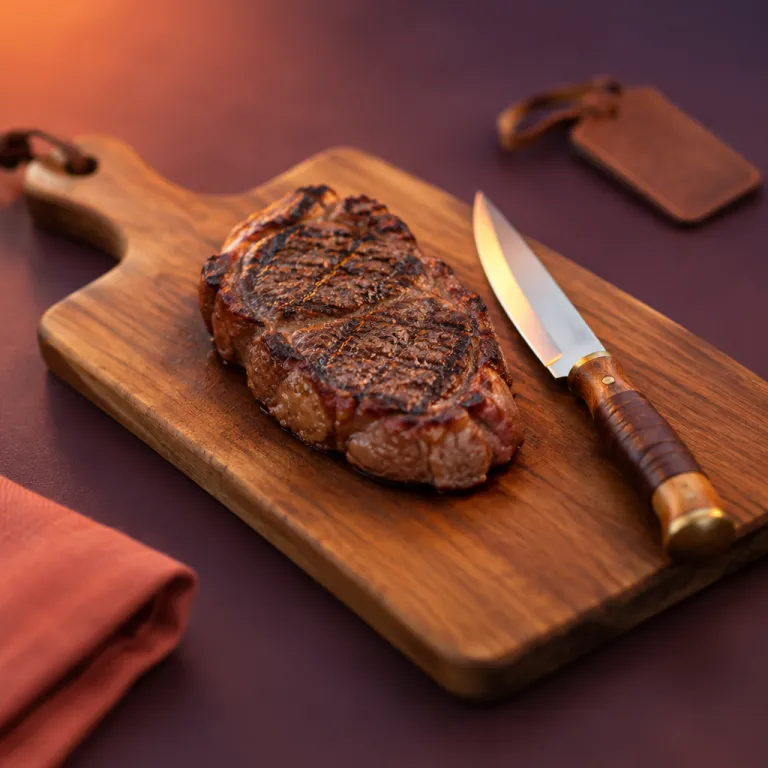
Asado as a philosophy: how luxury hotels frame the fire
In Argentina, an asado is not simply grilled meat; it is a slow ritual of timing, smoke and conversation that many of the country’s finest hotels now treat as a signature experience. Couples who travel for flavour rather than fuss look for a fire-focused evening where the asador controls the parrilla with quiet authority, deciding when each cut is ready and how the night will unfold. When you compare different barbecue experiences in high-end properties, focus less on décor and more on how the fire is managed, how the meal is paced and how the staff talk about their food and wine pairings.
The culture of Argentine live-fire cooking begins with the asador, the fire master who builds a low, steady ember bed and then layers the meal in chapters rather than rigid courses. First come the chorizos and morcillas, then short ribs and vacío, and finally slow-rendered cuts like tira de asado or entraña that define the best food memories of many guests who travel through Buenos Aires and the pampas. At hotels such as the Four Seasons Buenos Aires, where chef Juan Gaffuri oversees Elena and the courtyard grill, the parrilla is positioned as theatre, often open to the dining room so that the entire experience becomes part of the evening’s visual narrative.
Luxury hotels that take Argentine food culture seriously often design their grounds around this live fire, with terraces that catch the late light and gardens where you can sip mate or a glass of Malbec while the aromas drift across the lawn. A thoughtful concierge at properties like Palacio Duhau – Park Hyatt Buenos Aires will suggest private food tours in the city during the day, then arrange for you to book an intimate barbecue dinner on site at night. For couples, the contrast between the city’s street art and craft beer bars and the calm of a vineyard or estancia evening is part of the deeper experience that keeps them returning to Argentina.
From pampas to Patagonia: regional fire and refined hospitality
Across the country, the asado experience in luxury hotels shifts with the landscape, and understanding these regional differences helps you book the right stay. On the pampas outside Buenos Aires, the focus is on grass-fed beef and long, languid day-long gatherings where you might ride horses in the morning and sit down to a traditional grill under ombú trees in the afternoon. At estancias such as La Bamba de Areco or Estancia Villa María, a typical lunch might include provoleta, house-made sausages, ribs and seasonal salads, with prices for a full-day program often starting around US$250–350 per person including activities.
In Patagonia, the fire masters turn to whole lamb al asador, leaning cruciform racks toward the flames so that fat drips slowly and the flavours concentrate over hours rather than minutes. Lodges like Eolo near El Calafate or Awasi Patagonia in Chilean Patagonia (often combined with Argentine itineraries) serve this style on special nights, sometimes only once or twice a week, and you may need to reserve your preferred evening at least a month in advance during high season.
In the northwest, high-altitude hotels weave Andean produce into their open-fire menus, pairing smoky meats with quinoa, peppers and local cheeses that speak to a different side of Argentine culture. Here, the wine pairings move beyond Malbec to include Torrontés and structured reds that handle both the altitude and the intensity of the food, creating a more nuanced adventure for couples who care about what is in their glass. When you read about how Argentina’s hotel restaurants redefine luxury dining, especially in properties that centre fire and wine together, you start to see why these curated grill nights have become a magnet for serious gastronomic travel.
Buenos Aires itself offers a different rhythm, with urban hotels in barrios like Palermo and Recoleta using rooftop parrillas and open kitchens to bring the flames into the city skyline. A well-curated program might combine an in-house fuego-driven dinner with guided tastings that explore both traditional parrillas such as Don Julio and contemporary grills like Fogón Asado. For couples, alternating between a refined hotel barbecue one night and a more casual neighbourhood spot the next creates a layered set of experiences that feel both luxurious and grounded in real city life.
Buenos Aires for couples: where live fire meets city energy
Buenos Aires remains the natural starting point for any asado-focused trip, and the city’s luxury hotels have learned to channel that energy into curated, fire-led evenings. In Palermo and Palermo Viejo, many high-end properties partner with acclaimed parrillas or host resident grill masters who run regular themed nights for guests, often limited to a small number of tables so the experience feels intimate. When you book a stay, ask whether the hotel offers a dedicated tasting menu around the parrilla on site, or whether they arrange a private transfer and table at one of the city’s best addresses for live-fire cooking.
During the day, couples can join a guided food tour in Palermo that threads together coffee bars, heladerías and traditional parrillas, then return to their hotel for a more polished dinner. Some itineraries combine a focused steak and wine walk with a separate pizza tour or craft beer crawl, giving you a broader sense of Buenos Aires food culture before you sit down to a more formal grill experience in the evening. When you want everything handled, consider one of the finer all-inclusive or full-service luxury hotels in Argentina, where curated tastings, winery visits and asado evenings are bundled into a single, well-paced stay.
Beyond the plate, the best hotels in Buenos Aires understand that couples want context, not just good food on a white tablecloth. Concierge teams arrange tours that link street art walks in Palermo Viejo with stops for mate and small bites, so that your time in the city feels like a continuous narrative rather than a series of disconnected meals. By the time you return to your room after a long day exploring different neighbourhoods, the smell of meat roasting over wood in a courtyard or on a rooftop can feel like the city itself is inviting you back to the fire.
Designing your asado focused itinerary: from estancia lawns to vineyard grills
For couples planning a trip around fire-centred dining in Argentina, the smartest approach is to think in chapters rather than a single big night. Start with two or three days in Buenos Aires, using the city’s food tours and dinners to understand the basics of the local grilling tradition, then move on to an estancia where the fire is part of daily life. A well-chosen estancia stay often includes riding, wildlife watching and long lunches under trees, and you can read more about what a week on an Argentine ranch actually looks like before you decide how many nights to book.
From there, many travellers head to Mendoza or another wine region, where vineyard hotels build their identity around the pairing of fire and wine. At places like Cavas Wine Lodge or The Vines Resort & Spa, the asado becomes more contemplative, with late-afternoon tastings that lead into twilight dinners beside the vines, often with a focus on specific cuts and regional produce. When you evaluate these properties, pay attention to how they talk about their wine program, whether they offer structured tastings that go beyond Malbec, and how closely the sommelier works with the asador to shape the evening’s flow.
Patagonia makes a powerful final chapter, especially for couples who enjoy a sense of adventure alongside their culinary experiences. Lakeside lodges and remote estancias often serve lamb al asador on special nights, turning the meal into a communal event where guests gather around the fire before sitting down, and this can be one of the best food memories of an entire Argentina journey. By structuring your trip so that each region offers a different style of open-fire cooking, you create a sequence of experiences that feel both coherent and increasingly deep.
How to judge an exceptional asado at a luxury hotel
When you arrive at a property that promises an asado experience, a few details quickly reveal whether the promise matches reality. Look first at the parrilla itself and the wood pile beside it, because a serious grill relies on good hardwood and a patient ember bed rather than quick gas flames. Then watch how the asador moves, how often they touch the meat, and whether the timing of each cut feels unhurried yet precise, because this choreography is what separates a merely good food offering from a truly memorable evening.
Service matters just as much as smoke, especially for couples seeking a romantic night. Staff should be able to explain each cut, suggest wine pairings that move beyond the obvious, and offer alternatives such as craft beer or mate for guests who want to explore different sides of local culture during their stay. The best hotels also understand that not every guest eats everything, so they quietly adapt the sequence for lighter appetites or specific preferences without breaking the rhythm of the meal.
Context completes the picture, and here the surrounding experiences make a real difference. A hotel that pairs its grill dinners with thoughtful neighbourhood walks, curated food tours that include street art, or even a relaxed pizza crawl through classic districts shows that it understands how couples actually travel. As chef Francis Mallmann has often argued in interviews, the fire is only part of the story; the landscape, the people and the pace of the evening matter just as much. When you can book asado dinners, city tours and countryside experiences through one trusted team, the entire journey feels cohesive, frank in its promises and generous in its delivery.
FAQ
How many asado experiences should we plan during a one week trip ?
For a one-week Argentina itinerary focused on food, most couples enjoy three to four structured asado experiences spread across different regions. One or two nights in Buenos Aires, one estancia day with a long lunch, and one vineyard or Patagonian lamb evening usually provide enough variety without fatigue. Between these, you can explore lighter food tours, street snacks and wine tastings so that each grill night feels special.
Is an estancia asado suitable for travelers who do not eat a lot of meat ?
Many estancias and luxury hotels now adapt their menus for guests who prefer smaller portions or more vegetables. You can request extra salads, grilled vegetables and cheese-based starters while still enjoying the fire-led atmosphere and the social side of the meal. When you book, mention your preferences so the team can plan the experience around your comfort.
What should we wear to an asado at a luxury hotel ?
Dress codes vary, but smart-casual clothing works for almost every asado in upscale hotels in Argentina. Closed shoes are useful if the event takes place on grass or near the parrilla, and a light jacket helps once the sun sets. In city hotels in Buenos Aires, couples often dress slightly more formally than at countryside estancias.
How far in advance should we book asado dinners and food tours ?
For peak travel periods, it is wise to book asado dinners and key food tours at least several weeks before arrival. Signature grill nights at small luxury properties often have limited seating, especially for couples seeking private tables. Once your hotel is confirmed, ask the concierge to secure your preferred evening and any specific food or wine tour you want.
Are wine pairings included in most hotel asado experiences ?
Policies differ, but many high-end hotels in Argentina offer optional wine pairings rather than including them automatically in the asado price. This allows couples to choose between a full pairing, a single special bottle or alternatives such as craft beer or non-alcoholic options. When you compare different properties, check whether wine is bundled or à la carte so you can plan your budget and preferences clearly.