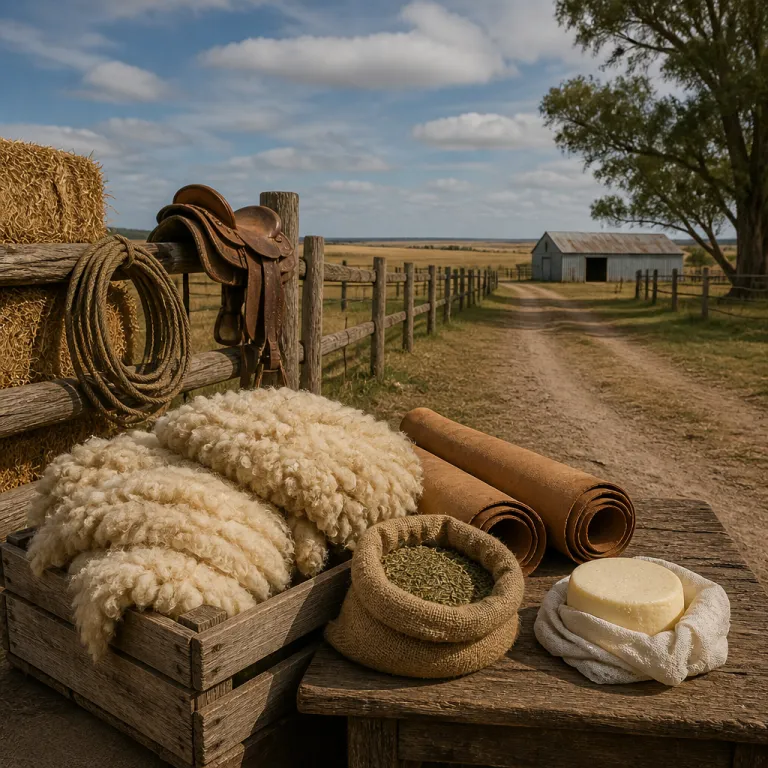
Day one on the pampas: arrival, first rides and your new rhythm
Your luxury stay in Argentina begins long before the first saddle is tightened. As you leave Buenos Aires and watch greater Buenos Aires shift from dense avenues to open fields, the city’s energy slowly gives way to the measured pace of estancia life. By the time you reach the main house, the long driveway and wide view across the paddocks already feel like a reset.
Estancia staff welcome families as house guests rather than anonymous hotel arrivals, and that difference shapes the entire week. You are shown to generous rooms instead of standard hotel rooms, often with high ceilings, creaking wooden floors and a view of horses grazing under ombú trees. Children usually head straight for the stables while parents linger over a first glass of wine on the veranda, taking in the view like a private open air theatre.
After a light lunch in the main restaurant space, gauchos introduce the horses and quietly assess everyone’s confidence. “Is prior riding experience required? No, beginners are welcome.” is the line you hear most often, and it is true across many working estancias in Argentina. The first ride is usually a gentle loop of a few kilometres, designed to settle nerves and let you feel the saddle before the longer outings that define this kind of countryside retreat.
As afternoon stretches into early night, the property starts to feel less like a hotel and more like a rural home. Children help estancia staff collect eggs or feed animals, while adults explore the grounds on foot, sometimes reaching a small spa pavilion or pool that rivals urban hotel resorts in comfort. Dinner is unhurried, often three courses served family style in the estancia restaurant, with Malbec from Mendoza poured generously and the first stories about gaucho life shared around the table.
For many premium families, this first night sets expectations for the rest of the week. You realise that an upscale Argentine escape does not always mean marble lobbies or a city view hotel, but rather space, silence and service that anticipates needs before you voice them. Compared with a central Buenos Aires hotel property in the capital, the estancia offers a different kind of indulgence, where the most coveted amenity is time together without screens and the only nightlife is the sound of crickets under the southern sky.
From morning rides to evening asados: the real daily rhythm
By the second day, the estancia’s timetable becomes your family’s new clock. Mornings start early with mate on the terrace, the cool air carrying the scent of grass while horses are saddled for the first proper ride of your rural escape. Children usually wake before the alarm, drawn by the sight of gauchos preparing the herd just a few metres from their rooms.
Horseback riding is the backbone of estancia life in Argentina, and gauchos act as both guides and guardians of local culture. They lead small groups across the pampas, from slow walks for beginners to controlled gallops for experienced riders, always reading the terrain and the mood of the horses. These rides feel very different from trail excursions offered by many hotel resorts, because you are moving through a working landscape rather than a manicured resort spa setting.
Late morning often brings a change of pace with hiking, birdwatching or even canoeing if the estancia borders a river or lagoon. Families who might have chosen a city hotel in Buenos Aires for museums and cafés often find that children are more engaged here, counting herons instead of screen time minutes. One of the most common questions is “What activities are offered? Horseback riding, hiking, canoeing.” and that simple list captures the core of the experience.
Afternoons revolve around the asado, the slow barbecue that anchors many estancias in Argentina and across South America. Guests are invited to help prepare salads, set long wooden tables and watch as the gaucho in charge decides when each cut of meat is ready, a ritual that no luxury hotel restaurant in the capital can quite replicate. This is where cultural tourism, eco tourism and adventure tourism intersect, because you are not just eating but participating in a living tradition.
After dinner, the night sky becomes the main attraction, especially for families arriving from Buenos Aires where light pollution hides most stars. Children lie on blankets while gauchos point out constellations, and the Milky Way feels close enough to touch from this part of Argentina. For a deeper dive into how these rural experiences connect with tango halls and urban culture, the guide to Argentina’s most immersive cultural stays is an essential companion when planning your route.
Patagonia, Mendoza and Salta: how regional estancias reshape the week
Not every luxury stay in Argentina on an estancia looks the same, because geography changes everything. In Patagonia, estancias stretch across vast grasslands with distant views of the Andes, and the week’s rides trace old sheep herding routes rather than cattle trails. Families wake to a colder wind, a sharper light and sometimes a glimpse of snow even when the pampas near Buenos Aires feel mild.
From Patagonian bases, day trips to landmarks like the Perito Moreno Glacier or nearby sections of Los Glaciares National Park can be woven into the estancia rhythm. A morning ride might end with a picnic overlooking turquoise water, while the afternoon is reserved for a short hike guided by local wildlife experts. Compared with staying in conventional hotels Argentina offers near the main towns, these rural bases give you a front row view of the landscape without sacrificing comfort or attentive service.
Further north, Mendoza province offers a different kind of estancia experience, where vineyard estates blur the line between wine resorts and working farms. Properties such as Algodon Wine Estates, Cavas Wine Lodge or Estancia La Alejandra combine polo fields, Malbec vines and a small resort spa, creating a week that alternates between riding, wine tasting and long lunches under pergolas. Parents might spend an hour in the spa while children learn to groom horses, then reunite for a late afternoon glass of wine as the sun drops behind the Andes.
Some of the most refined vineyard retreats, including members of Relais & Châteaux, operate more like intimate hotel resorts than traditional ranches. Yet they still deliver the core elements of estancia life in Argentina, from shared meals to close contact with the land and its people. For corporate groups or extended families, these properties can feel like private hotels Argentina has hidden among its vines, and they often feature in curated lists of new luxury openings worth booking.
In the northwest, Salta’s highland estancias add altitude and Andean culture to the mix, with adobe houses, terraced fields and views over dramatic valleys. Here, a week might include visits to small villages, traditional music in the evenings and gentle rides adapted to thinner air, making the experience distinct from both Patagonia and Mendoza. Families who might have booked a standard hotel in Buenos Aires instead often extend their trip to include at least one of these regional estancias, turning a single luxury stay in Argentina into a multi region journey.
From Buenos Aires day trips to Iguazú and Awasi: combining estancias with iconic stays
Many premium families start or end their luxury stay in Argentina with a few nights in Buenos Aires, then add an estancia either as a day trip or a full week. Estancias in Buenos Aires province sit just a couple of hours from the capital by car, making them easy to pair with a central Buenos Aires hotel address in Recoleta or Palermo. This combination lets you enjoy both the city’s restaurants and the countryside’s silence without long internal flights.
Some travellers choose a palacio style view hotel in the capital, then escape to a nearby estancia for two or three nights to sample gaucho life. Others reverse the order, using the ranch as a decompression zone after long haul flights before diving into the intensity of Buenos Aires. Either way, the contrast between marble lobbies and open paddocks underlines how broad the definition of a luxury stay in Argentina can be.
Further north, Iguazú offers another layer to the itinerary, especially for families drawn to dramatic landscapes. Staying near Iguazú Falls inside or close to the national park gives you early access to walkways before day trippers arrive, a privilege that feels as exclusive as any city spa. While these are not estancias, some hotel resorts in the area echo rural hospitality with generous rooms, lush gardens and staff who remember your children’s names after the first night.
For those seeking ultra curated experiences, properties under the Awasi umbrella, including Awasi Iguazú and Awasi-style lodges in wine country, specialise in private guiding and tailored excursions. They operate more like high end lodges than traditional hotels, with each suite functioning almost as a private villa and every day planned around your family’s interests. Combining a week on a working estancia with a few nights at an Awasi property creates a layered luxury stay in Argentina, moving from rustic authenticity to polished, design driven comfort.
Families often ask whether to prioritise Iguazú, Patagonia or Mendoza when time is limited, and the answer depends on your children’s ages and interests. Younger children may respond more to the immediate drama of Iguazú Falls and the surrounding national park, while teenagers might appreciate the scale of Patagonia or the sophistication of Mendoza’s wine culture. Whatever the mix, the key is to balance movement with rest, using each hotel, estancia or resort spa as a deliberate pause rather than just another stop on a checklist of South America highlights.
Practicalities: packing, pricing and choosing the right estancia for your family
Planning a week on an estancia for a premium family requires different thinking than booking a city hotel. Start with the basics and pack comfortable clothing, because you will spend long hours in the saddle or walking across uneven ground. Layers matter more than labels, and a well chosen hat and sunscreen will serve you better than formal outfits that never leave the suitcase.
Footwear can make or break your luxury stay in Argentina, so prioritise boots or sturdy shoes that work for both riding and casual dinners. Many estancias in Argentina provide helmets and saddles, but you should confirm equipment details before arrival, especially if children are involved. A small daypack, binoculars and a reusable water bottle round out the essentials, aligning with the eco tourism ethos that underpins many rural properties.
On pricing, most estancias operate closer to all inclusive resorts than traditional hotels, bundling rooms, meals and core activities into a single nightly rate. As a broad guide, family friendly ranches within driving distance of Buenos Aires often start around US$350–US$500 per room per night, while more exclusive Patagonian or vineyard estates can run from US$700 to well over US$1,000 in peak season. Some properties offer à la carte options for extra excursions, spa treatments or private wine tasting sessions, so it pays to read the fine print.
When choosing between working estancias and more polished hotel resorts in the countryside, be honest about your family’s comfort thresholds. A working ranch may have simpler rooms and fewer spa facilities but richer interaction with gauchos and animals, while a design led resort spa might prioritise pools, wellness and a sophisticated restaurant over daily farm chores. Both can deliver a memorable luxury stay in Argentina, yet the right fit depends on whether your children are more excited by feeding lambs at night or ordering dessert in elegant restaurants.
Finally, think about how an estancia fits into your wider route across Argentina and South America, especially if you plan to connect with wine regions or glacier country. A week on the pampas pairs naturally with vineyard stays in Mendoza, and you can explore more detail on that combination in the guide to vineyard hotels and corporate retreats. Whether you end your trip near Perito Moreno, in the mist of Iguazú or back in a refined view hotel in Buenos Aires, the estancia will likely be the chapter your family talks about long after the suitcases are unpacked.
FAQ
What exactly is an estancia in Argentina ?
An estancia in Argentina is a traditional ranch that combines agricultural activity with guest accommodation. Many estancias in Argentina welcome families for immersive stays that include horseback riding, shared meals and cultural experiences with gauchos. They differ from standard hotels Argentina offers in cities because they are rooted in working landscapes rather than purely hospitality focused environments.
Do I need riding experience to enjoy a week on an estancia ?
You do not need prior riding experience to enjoy a luxury stay in Argentina on an estancia. Most properties are used to welcoming beginners and provide calm horses, basic instruction and flexible routes tailored to different confidence levels. As one common reassurance puts it clearly, “Is prior riding experience required? No, beginners are welcome.”
What activities can families expect beyond horseback riding ?
While horseback riding is central, a typical week also includes hiking, canoeing where rivers or lagoons are present, birdwatching and informal farm activities. Children often help estancia staff with feeding animals or collecting eggs, which turns the stay into a hands on cultural immersion rather than a passive resort experience. Some estancias also offer small spa areas, cooking demonstrations or informal wine tasting sessions for adults.
How long should we stay on an estancia with children ?
A stay of three to four nights works well for many families, but a full week allows you to settle into the slower rhythm that defines estancia life. The first days are usually about orientation and short rides, while later days can include longer excursions or cultural activities. A week also makes it easier to combine the estancia with time in Buenos Aires, Mendoza or Patagonia without rushing.
When is the best season for an estancia based luxury stay in Argentina ?
The most comfortable periods for estancia stays are generally the milder months, when daytime temperatures suit outdoor activities and nights are cool but not harsh. Patagonia estancias can feel colder and windier than those near Buenos Aires, so packing layers is essential there. Wine focused regions such as Mendoza Argentina offer pleasant riding conditions during harvest periods, when vineyard landscapes are at their most atmospheric.