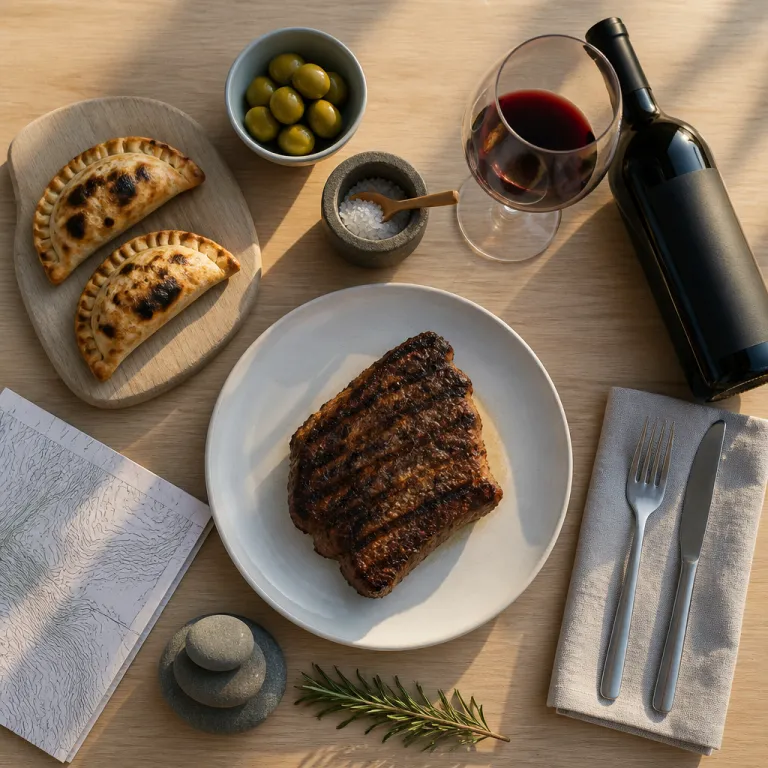
From porteño palacios to Andean peaks: why hotel dining leads the scene
Luxury hotel restaurants in Argentina have quietly become the country’s most confident culinary stages. In Buenos Aires, grand palace hotels and contemporary towers now host some of the best restaurants for travelers who want serious dining without leaving their rooms’ cocoon of comfort. Across Argentina, these hotel restaurants balance local wine, altitude driven produce and fire focused cuisine to create experiences that feel both intimate and world class.
For couples planning a romantic escape, this shift changes how you should evaluate luxury hotels rather than just searching for a convenient hotel restaurant. The strongest luxury hotel restaurants Argentina offers now compete directly with independent Michelin restaurants, yet they add something extra ; a sense of place that starts in the lobby and continues through the tasting menu, the wine list and even the breakfast medialuna. When you choose hotels with destination restaurants, you are effectively booking your own private gateway into Argentine culinary culture.
Think of Buenos Aires first, because the capital sets the tone for restaurants Argentina wide. In Recoleta, Palacio Duhau – Park Hyatt Buenos Aires uses its terraced gardens and duhau park views to frame one of the city’s most refined fine dining programs, while other luxury hotels in Buenos Aires aires Argentina lean into more contemporary cuisine with open kitchens and bold art. Out in Mendoza and the Andes, altitude, vineyards and fire pits turn hotel restaurants into immersive landscapes where the chef, the sommelier and the gaucho share the same stage.
Mendoza’s fire temples: Siete Fuegos, La VidA and Casa de Uco
Mendoza is where luxury hotel restaurants Argentina wide most clearly fuse fire, wine and altitude. The Vines Resort & Spa anchors its culinary identity around Siete Fuegos by Francis Mallmann, a restaurant where open flame techniques meet vineyard views and a menu that changes with the Andean seasons. Here, the chef uses seven distinct fire methods to coax different textures from classic argentine cuts, vegetables and even desserts, turning simple dishes into theatrical dining rituals.
At Susana Balbo Winemaker’s House, La VidA shows how a smaller hotel can still deliver one of the best restaurants in Mendoza for couples who care about both wine and design. Recognized by the Michelin Guide, La VidA pairs a focused tasting menu with precise wine flights that highlight how altitude shapes Malbec, Cabernet Franc and white blends across Argentina. The executive chef Flavia Amad works closely with the cellar team so that each course feels like a conversation between vineyard, kitchen and the rooms where guests later fall asleep surrounded by bottle lined walls.
Casa de Uco, set on a 320 hectare working vineyard estate at the foot of the Andes, completes this triangle of high level hotel restaurants Argentina travelers should prioritize. Its farm to table restaurant leans into sustainable practices, using produce grown on site and from nearby farms to build a contemporary cuisine that still respects traditional flavors. If you are considering an all inclusive luxury stay focused on gastronomy, this is where a curated resort can outperform independent rentals ; you can move from horseback rides to cellar tastings to dinner without ever reaching for your credit card, a model explored in depth in our guide to the finest all inclusive luxury hotels in Argentina.
The gaucho, the grill and why hotel asado feels different
Asado is the backbone of argentine cuisine, yet the way it appears in luxury hotel restaurants Argentina wide differs sharply from city steakhouses. In a rural wine resort or Patagonian lodge, the gaucho running the grill is not just a cook but a guardian of local tradition, deciding which cuts to serve and when the fire is ready. That is why the most memorable hotel asados feel closer to a private ceremony than to restaurant dining, even when you are technically sitting in a hotel restaurant with polished stemware and a printed menu.
Consider how this contrasts with an urban icon like Don Julio in Buenos Aires, which remains one of the best restaurants in South America for classic parrilla. There, the focus is on precision, consistency and a deep cellar of wine, all delivered in a buzzing city restaurant where you absolutely must reserve a table well in advance. At a luxury hotel in Mendoza or Salta, the same level of meat quality and wine pairing can be present, but the gaucho might grill off menu cuts that never appear in city restaurants, serving them when he senses you are ready rather than when the kitchen ticket prints.
This is where the phrase “not the Malbec label, but the asado where the gaucho decides when you've eaten enough” becomes a useful filter for choosing hotels. When you read about luxury hotel restaurants Argentina side, look for mentions of open flame cooking, traditional grills and partnerships with local vineyards, because these details signal a deeper commitment than simply offering steak on a room service menu. The dataset’s own explanation captures it clearly ; “What is open-flame cooking? Cooking food directly over an open fire.”
Buenos Aires hotel dining: palatial salons and hidden courtyards
Buenos Aires remains the city where luxury hotel restaurants Argentina travelers encounter first, often after a long overnight flight. In Recoleta, Palacio Duhau – Park Hyatt Buenos Aires uses its palace architecture, terraced gardens and duhau park pathways to create a sequence of dining spaces that feel both formal and intimate. Couples can move from a marble lined bar to a courtyard restaurant to a more contemporary dining room, all while the sommelier guides them through argentine wine regions from Salta to Patagonia.
Elsewhere in Buenos Aires, luxury hotels experiment with more contemporary cuisine and design, often blurring the line between hotel guests and local regulars. At Hyatt Buenos Aires properties, for example, you might find Nuestro Secreto, a restaurant concept that brings the parrilla indoors with glass walls, greenery and a relaxed fine dining atmosphere where porteños and travelers share the same tables. These spaces show how luxury hotel restaurants Argentina wide are no longer just for in house guests ; they compete directly with independent best restaurants for a share of the city’s discerning diners.
Beyond the grand hotels, addresses like Casa Cavia in Palermo illustrate how a single property can function as both cultural salon and high level restaurant. While not a traditional hotel, Casa Cavia often partners with nearby hotels and concierges, becoming part of a curated dining circuit that might also include Michelin restaurants and Bib Gourmand level bistros. When planning your nights in Buenos Aires aires Argentina, think of your hotel as the anchor, then build a sequence of restaurants Argentina wide that reflects both classic parrilla and more experimental tasting menu experiences.
Altitude, wellness and how to book the right culinary stay
Altitude shapes both wine and cooking techniques in a way that travelers often underestimate when choosing luxury hotel restaurants Argentina side. In regions like Mendoza and Salta, vineyards and hotels sit hundreds or even thousands of meters above sea level, which affects everything from grape ripening to boiling points in the kitchen. That is why the answer “Why is altitude significant in wine production? It influences grape characteristics and wine flavor.” matters as much for your dinner as for your cellar tour.
Some of Argentina’s most atmospheric hotels lean into this altitude story with panoramic terraces, wine cellars carved into hillsides and dining rooms that frame the Andes through floor to ceiling glass. Estancia Colomé, for example, operates at around 2 700 meters and keeps just nine rooms, creating an intimate environment where the restaurant can tailor menus to each table’s pace and preferences. Auberge du Vin, at roughly 1 400 meters, uses its position among the vines to offer guests both structured tasting menu dinners and more relaxed lunches that stretch into late afternoon wine sessions.
Wellness now threads through many of these experiences, from vineyard walks to spa rituals that pair herbal infusions with thermal circuits and even yerba mate based treatments. If you are planning a trip that balances gastronomy with rest, our guide to Argentina’s most unexpected wellness trend in yerba mate spa rituals explains how to combine spa days with serious dining without overloading your schedule. When you finally reserve a table at your chosen luxury hotel restaurants Argentina wide, confirm policies on credit card guarantees, cancellation windows and whether the restaurant welcomes non resident guests, because the best places now book out as quickly as any city hotspot.
FAQ
Are Argentina’s luxury hotel restaurants suitable for non hotel guests?
Many of the leading luxury hotel restaurants in Argentina welcome non resident diners, especially in Buenos Aires and Mendoza. You usually need to reserve a table in advance, and some properties require a credit card guarantee for peak nights. Always check the hotel’s policy, because smaller lodges with limited rooms may prioritize in house guests during busy periods.
How far in advance should I book Mendoza’s top hotel restaurants?
For places like Siete Fuegos at The Vines Resort & Spa or La VidA at Susana Balbo Winemaker’s House, booking several weeks ahead is wise during harvest season and local holidays. Casa de Uco’s restaurant also fills quickly, particularly for tasting menu nights and special wine pairing events. If your stay is short, ask your hotel concierge to secure restaurant reservations before you finalize flights.
What is the difference between city steakhouse dining and hotel asado?
City steakhouses such as Don Julio in Buenos Aires focus on classic cuts, fast paced service and deep wine lists in an urban setting. Hotel asado experiences, especially in wine country or Patagonia, often involve a gaucho cooking over open flames in a more relaxed environment. The menu can be more flexible, with off menu cuts and a slower rhythm that turns dinner into an extended ritual.
Do Argentina’s hotel restaurants cater to dietary restrictions?
Most high end hotel restaurants in Argentina can accommodate common dietary needs such as vegetarian, gluten free or dairy free diets. Advance communication is essential, particularly at remote properties where supplies are planned around expected menus. When you book your room or reserve a table, share your requirements so the chef can design appropriate dishes.
Is tipping expected at luxury hotel restaurants in Argentina?
Tipping is customary in Argentina, including at luxury hotel restaurants, where a gratuity of around 10 percent is standard for good service. Some hotels may add a service charge, so check your bill before adding extra. You can usually tip in cash pesos or by adding an amount when you pay with a credit card.