Argentina winter travel luxury: value, calm and clear Argentina views
Argentina’s winter turns the usual idea of a South America escape on its head. For travelers used to crowded European beaches in July, cold-season journeys here mean crisp air, luminous skies and five-star suites in Buenos Aires or Patagonia at rates that feel almost discreet. Families planning a trip to visit Argentina during this season often find that the best time for value, space and attentive service aligns perfectly with their own summer holidays.
In Buenos Aires, grand palace hotels along Avenida Alvear and the renovated docks of Puerto Madero quietly shift into cultural mode for the winter. Historic icons such as the Alvear Palace Hotel or the Park Hyatt Palacio Duhau pair butler service with easy access to the city’s opera houses, independent theaters and contemporary galleries in Palermo and Recoleta. These become the stage for high-end experiences that link matinee performances with late-night steak dinners and curated Argentina wine tastings. For a premium family, a day trip that starts with a private architecture tour, continues with a hands-on empanada class and ends with a chauffeured drive along the Río de la Plata offers a layered Buenos Aires experience without the summer heat or crowds.
Across the country, leading Argentina travel platforms highlight how winter reshapes the map of where to go first. The lake district around Bariloche, the wine country near Mendoza and the glacier-lined south of Patagonia all lean into the colder months with fireplaces, thermal spa rituals and slow travel programming designed for longer stays. When you compare Argentina tours in July with those in January, the same luxury properties often include added value such as private guides, extended spa access or family-focused cooking workshops, turning a standard trip to Argentina into something more intimate; for example, a suite that might include only breakfast in high summer can come with a modest spa credit or a complimentary tasting menu during the low season.
Patagonia retreats and the quiet drama of the south
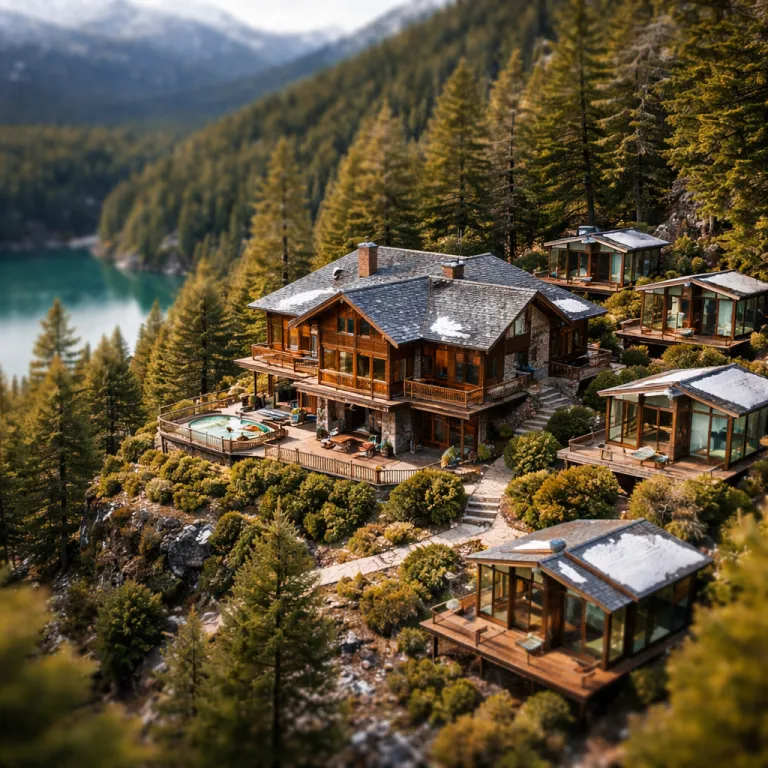
Patagonia in winter is not a frozen void; it is a stage where silence becomes part of the luxury experience. Average temperatures around 0 °C in the central region mean snow-dusted lenga forests, clear Argentina views over deep blue lakes and a softness in the light that summer rarely offers. For families seeking upscale winter travel, this south of the country delivers both spectacle and stillness, especially when you choose carefully curated properties from a refined guide to the best hotels in Patagonia for discerning travelers.
In Los Glaciares National Park, the Perito Moreno ice wall looms over Lago Argentino with a clarity that feels almost architectural. A private day tour with a specialist guide allows you to approach the Moreno Glacier by boat, then walk the balconies in near solitude, hearing each fracture and splash echo across the water. Many Argentina tours in this region now combine a morning at the glacier with an afternoon fireside tasting of Patagonia wine and regional lamb, creating a full day trip that balances raw nature with polished hospitality; typical outings last six to eight hours, with transfers, guiding and lunch bundled into a single seamless experience.
Further north in the lake district around Bariloche, winter brings some of the best skiing in South America at Cerro Catedral. Luxury lodges here lean into the season with private ski lessons, high-end equipment rental and helicopter transfers that turn a simple ski day into a tailored adventure. According to guidance from national tourism authorities, private skiing, spa treatments and gourmet dining stand among the top luxury winter activities in Argentina, and Patagonia resorts have refined this trio into an art form that suits both couples and families with older children.
From estancias to whale routes : winter experiences beyond the slopes
Not every Argentina winter luxury moment happens on a ski slope or beside a glacier. On the Atlantic side of Patagonia, Peninsula Valdés becomes one of the best places in South America to watch southern right whales between June and December, according to regional conservation bodies that monitor the migration. Families who plan their time visit carefully can combine a few days in the lake district with a coastal extension, using an estancia Argentina stay as a base for both wildlife tours and slow-paced ranch life.
Premium ranch retreats in wild Patagonia, such as those featured in this curated selection of refined ranch retreats in wild Patagonia, adapt their winter programming with a quiet confidence. Morning rides become shorter but more atmospheric, with low-angled light over the steppe and steaming mugs of maté waiting by the fire on return. One Buenos Aires family recalled that “the silence on a frosty morning ride felt like we had the whole valley to ourselves.” Afternoons shift toward indoor cultural experiences, from asado masterclasses where the gaucho decides when you have eaten enough, to storytelling sessions about the early estancias that shaped Argentina travel in the south.
For families, these estancias often represent the best time to introduce children to Argentina tours that feel authentic yet comfortable. Rooms are warmed by wood stoves, common areas are stocked with board games and local books, and staff arrange flexible day trip options that might include a short hike, a visit to a nearby national park or a simple Argentina view over an empty valley at sunset. When combined with a few urban days in Buenos Aires and perhaps a side trip to Mendoza or Salta, these ranch stays anchor a winter itinerary that feels both varied and coherent; a two-night estancia stay followed by three nights in the capital and three in the lake district already creates a satisfying first circuit.
Balancing regions : where winter shines and how to plan
Planning Argentina winter travel at the luxury level means understanding which regions thrive in the colder months and which are better saved for another trip. The south and the lake district are obvious winners, but the north also offers compelling contrasts when you time visit decisions well. Salta and the nearby salt flats around Salinas Grandes sit under high-altitude skies that turn an intense blue in winter, making every Argentina view from the quebradas to the vineyards feel hyper defined.
In Mendoza, winter strips away some of the harvest season buzz yet leaves the essence of wine country intact. Luxury hotels here pivot toward cellar-focused experiences, pairing vertical tastings with long lunches beside open hearths and spa rituals that use grape-based products. A carefully planned day trip from the city might include a private tour of two family-run wineries, a blending workshop for older teenagers and a late afternoon stroll through the vineyards as the Andes turn pink in the cold light; driving times from central Mendoza to nearby wine valleys typically range from 30 minutes to just over an hour, which keeps the pace relaxed.
Further north, Salta works beautifully as part of a broader Argentina travel circuit that also includes Iguazú and Buenos Aires. While Iguazú Falls sit in a subtropical pocket that remains lush year round, winter often brings slightly lower humidity and fewer visitors, which enhances the sense of exclusivity when you walk the catwalks almost alone. To stitch these regions together with confidence, consult a curated overview of essential things to see in Argentina for an elegant memorable stay, then layer in flights from Europe or North America that arrive early in the day to maximize rest and minimize jet lag; for example, nonstop services from Madrid to Buenos Aires typically take around 13 hours, and booking long-haul tickets three to six months in advance usually secures the best balance of schedule and fare.
FAQ
What are the top luxury winter activities in Argentina for families ?
For premium families, the standout winter activities include private skiing in the lake district around Bariloche, whale watching at Peninsula Valdés and glacier-focused tours in Patagonia. Many high-end properties now combine these with personalized spa treatments and gourmet regional dining to create full day experiences. In urban hubs such as Buenos Aires and Mendoza, cultural programming, wine tastings and cooking classes round out Argentina winter travel itineraries.
When is the best time to visit Patagonia for a winter focused luxury trip ?
The core winter season in Patagonia runs from June to October, with July and August offering the most reliable snow for skiing and the most complete range of winter services, according to regional tourism boards and ski resort operators. Families who prioritize quieter trails and slightly softer conditions often prefer June or late September. During this entire window, many of the leading luxury resorts in the region emphasize privacy, comfort and tailored tours that suit both adults and children.
Are private ski instructors and high end equipment easy to arrange in Argentina ?
In major ski areas such as Cerro Catedral near Bariloche and Las Leñas in Mendoza province, private ski lessons are standard offerings at the upper-tier hotels and local schools. High-end ski equipment rental is widely available, and some properties even coordinate helicopter transfers for guests who want a more exclusive experience. Booking these services through your hotel or a trusted Argentina tours operator ensures that timing, group size and language preferences match your family’s needs.
How does winter pricing at luxury hotels compare with peak summer rates ?
Across Argentina, winter often brings noticeably lower nightly rates at five-star properties, especially in Buenos Aires and Mendoza. The same suites that sell out in late spring and early summer can be available with added benefits such as spa credits, extended check-out or complimentary day trip excursions; for instance, a property might offer a modest credit toward a massage or a private tasting when you stay three nights or more. For families planning Argentina winter travel itineraries, this seasonal shift translates into either meaningful savings or the chance to upgrade to larger rooms and more immersive experiences.
Which regions should I combine for a first winter trip to Argentina ?
A balanced first itinerary usually links Buenos Aires with one or two contrasting regions such as the lake district in Patagonia and the wine country around Mendoza. If time allows, adding either Iguazú Falls in the subtropical north or the salt flats and canyons near Salta creates a powerful sense of Argentina’s geographic range. The key is to keep flight connections efficient, limit hotel changes and allow at least one full day in each destination for unstructured exploration and rest; for most visitors, flying into Buenos Aires Ezeiza International Airport and connecting onward from the closer Aeroparque Jorge Newbery keeps transfers simple and minimizes time in traffic.