Community tourism in Salta and Jujuy for slow luxury families
Community-based tourism in Salta and Jujuy in Argentina luxury travel is reshaping what high end means for families. Instead of marble lobbies, you step into adobe courtyards where a local host knows every mountain, every vineyard, every story in this northwest region. Over a few carefully planned days in and around Salta, the focus shifts from ticking off sights to building relationships, with each day adding another layer of cultural understanding and comfort.
In northern Argentina, community run luxury lodges channel revenue directly into Jujuy villages, artisan workshops and Andean farming projects. These properties in northwest Argentina are usually owned or co managed by local families, with indigenous guides leading each tour and every cultural activity, so your trip supports people who have lived on these lands for generations. For parents weighing where to travel in South America, this model offers a clear answer: you can enjoy refined service while knowing your stay is helping fund schools, infrastructure and the preservation of fragile high altitude ecosystems.
Slow luxury here means time rich itineraries, not gold plated amenities, and it suits premium families who prefer meaning over spectacle. A typical road trip through Salta and Jujuy might include three or four days in a colonial city like Salta, followed by two or three days on the salt flats and another stretch in a forest retreat, excluding flights from your calculations to keep the focus on ground experiences. Compared with a quick hop between Buenos Aires, Patagonia and Iguazú Falls, this kind of travel invites you to stay longer in one region, understand its natural wonders and return home with stories that feel personal rather than packaged.
Sleeping on the salt flats and in the Yungas : where community luxury feels elemental
The most striking expression of community focused travel in Salta and Jujuy is Pristine Salinas Grandes Camp, a low impact camp set directly on the salt flats. Perched at roughly 3 450 meters in the high altitude desert, it offers just a handful of canvas suites, so the silence feels almost architectural. When the sun drops behind the rock formations on the horizon, the flats glow pink and violet, and children fall quiet without being asked.
This camp works closely with local communities from Jujuy, employing residents as guides, drivers and cooks for every tour across the salt crust. Solar energy and rainwater harvesting help power the operation, while traditional building materials allow the structures to blend into the northwest landscape rather than dominate it. Families are encouraged to book in advance and prepare for high altitudes, because the thin air can turn even a short day walk into a memorable adventure.
On the greener side of northern Argentina, Finca La Fé sits in the Yungas forest, a world away from Buenos Aires traffic and Patagonia glaciers. Run by a French couple in partnership with local staff, this seven guest eco lodge offers horseback riding, hiking and traditional cooking classes that highlight regional produce and Andean techniques. For parents planning time in Argentina around school holidays, pairing a few Salta days in the colonial city with time at Finca La Fé creates a gentle arc from urban comfort to deep nature, similar in spirit to family friendly Andean ski escapes described in guides to skiing the Andes with children.
Ocumazo and the Quebrada de Humahuaca : living Andean culture, not just viewing it
Drive about 18 kilometers from Humahuaca and the Ocumazo Community opens a different door into community tourism in Salta and Jujuy. Here, families stay in simple but carefully maintained adobe houses, sharing meals with hosts whose ancestors have shaped this valley for centuries. The Quebrada de Humahuaca, a UNESCO listed gorge, frames every day with cliffs striped in mineral colors and rock formations that feel almost sculpted.
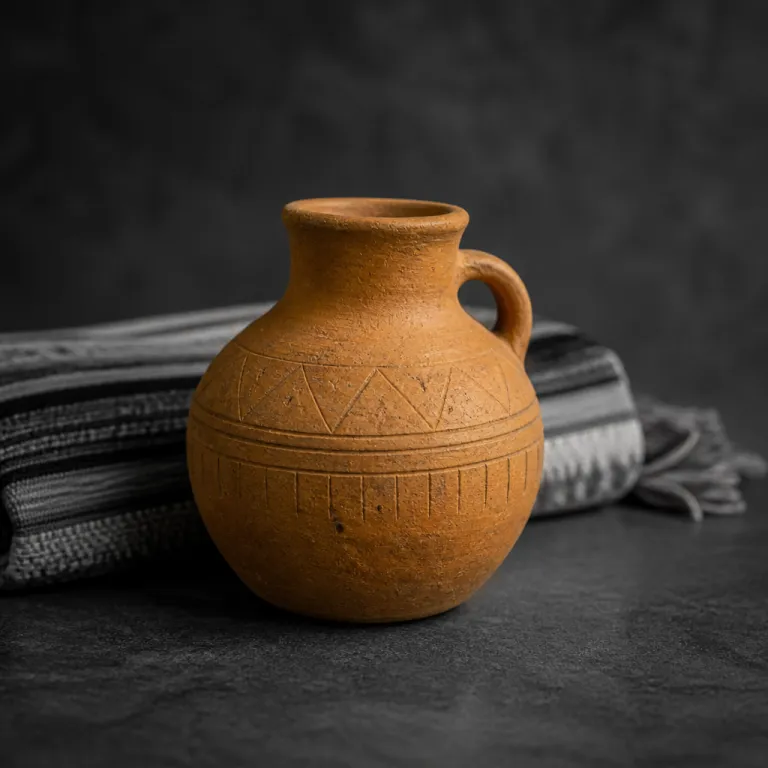
Ocumazo’s model of community run tourism keeps control in local hands, from homestay allocations to weaving workshops and guided hikes. Children can sit with Andean artisans, learning how natural dyes are made, while parents join Pachamama ceremonies that explain why salt, water and soil are treated as living relatives in northwest Argentina. The question “What is slow luxury tourism?” is answered here very directly: “Slow luxury tourism combines high end travel with sustainable practices.”
Families used to polished resorts in Buenos Aires or Patagonia sometimes worry about comfort levels in such a remote region. In practice, rooms are clean, beds are warm and meals are generous, even if there is no spa menu or infinity pool, and the luxury lies in access and authenticity rather than in thread counts. If you have already visited Iguazú Falls or even Machu Picchu, spending several days in Ocumazo offers a quieter but equally powerful counterpoint, one that many children remember more vividly than any big city tour.
Wine, salt and colonial cities : building a family itinerary in northwest Argentina
Designing a family trip around community tourism in Salta and Jujuy begins with the map. Most travelers arrive via Buenos Aires, spending a day or two in the capital before flying north to the colonial city of Salta, which acts as the main hub for the region. From this compact city, with its arcaded plazas and baroque churches, you can branch out toward Cafayate, the salt flats or the Yungas, depending on how many Salta days you have.
Cafayate anchors the wine story of northwest Argentina, offering high altitude vineyards that feel very different from Mendoza’s estates further south. Many wineries welcome children, pairing short cellar tours with picnics among the vines, while parents sample Torrontés and other regional wine styles that thrive in this dry climate. The drive itself becomes part of the tour, as you pass natural wonders like the Quebrada de las Conchas, where wind carved rock formations resemble amphitheaters, obelisks and cathedrals.
Families often combine two or three bases to keep transfers manageable and daily experiences varied. A classic loop might start in the colonial center of Salta, continue south to Cafayate for wine and desert landscapes, then swing north toward Jujuy for the salt flats and the Quebrada de Humahuaca, excluding flights from your internal budget to focus on road trip logistics. If you have already explored Andean ski towns through resources such as refined stays and alpine elegance in the Andes, this northwest circuit offers a warmer season counterpart, trading snow for salt and glaciers for cactus forests.
Practical logistics : how to reach remote lodges and what comfort to expect
Reaching the heart of community tourism in Salta and Jujuy requires a little planning, but families used to independent travel will find it manageable. Most itineraries start with a flight into Buenos Aires, followed by a domestic hop to Salta or Jujuy, where private drivers or small group operators take over. From there, expect road trip style transfers of two to five hours between the colonial city, wine valleys and salt flats, with plenty of photo stops along the way.
High altitude is a defining feature of northern Argentina, especially around the salt flats and passes near San Antonio de los Cobres. Children usually adapt well if you ascend gradually, spending a day or two in Salta or lower valleys before sleeping above 3 000 meters, and keeping hydration and rest as priorities. Operators in this region routinely remind guests to “Prepare for high altitudes.” and to “Respect local customs.”, because both health and cultural sensitivity shape a successful trip.
Comfort levels vary between properties, but the overall standard in northwest Argentina has risen sharply as slow luxury tourism grows. Pristine Salinas Grandes Camp offers hotel style bedding and gourmet meals on the flats, while Finca La Fé focuses on homely elegance, with just seven guests sharing forest silence and home cooked dishes. For families who have stayed at polished Patagonian ranches such as a Patagonian ranch retreat inside Los Glaciares National Park, these Andean lodges feel comparably attentive, just with adobe walls instead of alpine beams.
Why premium families are choosing community run luxury over classic resorts
Parents planning community tourism trips in Salta and Jujuy are usually looking for more than a pool and a kids’ club. They want their children to understand how people live in northern Argentina, why salt and water matter so much in high altitude deserts and how cultural traditions survive in a globalized South America. In this context, a homestay in Ocumazo or a night on the salt flats can feel more valuable than another anonymous five star night in Buenos Aires.
Economically, community run lodges in northwest Argentina keep a far higher share of each travel day’s spend within the region. Local guides lead every tour, local cooks prepare meals and local artisans sell textiles and ceramics directly to guests, which means your trip supports real livelihoods rather than distant shareholders. This model aligns closely with the goals of eco tourism projects that aim to preserve the environment, empower communities and provide unique experiences, rather than simply adding more beds to an already saturated market.
For many premium families, the emotional return on this kind of travel is the real luxury. Children remember feeding llamas at dawn, watching stars over the salt flats and hearing Pachamama stories told by someone whose grandparents farmed the same terraces, long after they forget which resort in Patagonia had the bigger pool. Once you have seen Iguazú Falls or even walked around Machu Picchu, a slower, more relational journey through Salta and Jujuy often becomes the benchmark against which future trips are measured.
Planning your community based luxury itinerary : timing, safety and booking tips
To make the most of community tourism in Salta and Jujuy, timing matters. The dry season, roughly from April to October, usually offers clearer skies for salt flats reflections, easier road conditions and more comfortable daytime temperatures for family hikes. During the wetter months, landscapes turn greener, but some high altitude passes can be affected by rain, so itineraries may need more flexibility.
Safety standards in northern Argentina’s main tourism corridors are generally solid, especially on routes frequently used for salt flats tours and transfers between the colonial city of Salta and Jujuy. Reputable operators use well maintained vehicles, experienced drivers and guides trained to handle high altitude symptoms, and they build in rest stops so children can stretch and acclimatize. When comparing offers, look for itineraries that clearly state what is included, ideally excluding flights from the quoted price so you can compare days on the road on a like for like basis.
Because capacity at places like Pristine Salinas Grandes Camp, Finca La Fé and Ocumazo Community is limited, advance reservations are essential for families. “How to reach Pristine Salinas Grandes Camp?” is a common question, and the answer is simple: “Pristine Salinas Grandes Camp is accessible via guided tours from Jujuy.”, while “Is prior booking required for Ocumazo Community tours?” is met with “Yes, advance reservations are recommended.”. For parents wondering whether these lodges are suitable for children, local operators are reassuringly clear: “Yes, they offer family friendly accommodations.”, which means you can plan a road trip that feels both adventurous and genuinely comfortable.
Key figures behind community run luxury in Salta and Jujuy
- Pristine Salinas Grandes Camp sits at around 3 450 meters above sea level, placing families directly within the high altitude ecosystem that defines much of northern Argentina’s salt flats region.
- Finca La Fé limits capacity to just seven guests at a time, which ensures a quiet, personalized experience and maximizes the economic impact per visitor for local staff and suppliers.
- The Ocumazo Community lies approximately 18 kilometers from Humahuaca in the Quebrada de Humahuaca, close enough for easy access yet far enough to preserve its rural character.
- Community run projects in Salta and Jujuy operate year round, allowing families to choose between cooler, clearer winter days for salt flats tours and greener summer landscapes in the surrounding valleys.
- Regional tourism boards report a steady rise in eco tourism and community based travel, reflecting a broader shift among premium travelers toward cultural immersion and lower impact itineraries.
FAQ about community run luxury in Salta and Jujuy
What is slow luxury tourism in northern Argentina ?
Slow luxury tourism in northern Argentina combines high end comfort with sustainable, community based experiences. Instead of rushing between Buenos Aires, Patagonia and Iguazú Falls, families spend more days in one region, staying in locally owned lodges and joining small scale cultural activities. The emphasis is on time, connection and low impact travel rather than on overt displays of wealth.
How many days should a family spend in Salta and Jujuy ?
Most premium families should plan at least seven to ten days in Salta and Jujuy to balance travel time and rest. A well paced itinerary might include three Salta days in the colonial city, two or three days in Cafayate’s wine valleys and another two or three days around the salt flats and Quebrada de Humahuaca. This rhythm allows for acclimatization to high altitude and leaves space for unplanned moments with local hosts.
Are community run lodges suitable for children ?
Yes, community run lodges in northwest Argentina are generally very welcoming to children. Properties such as Pristine Salinas Grandes Camp, Finca La Fé and Ocumazo Community offer family friendly accommodations, flexible meal times and activities that engage younger travelers, from gentle hikes to weaving workshops. Parents should still consider altitude, road trip lengths and seasonal weather when planning each day.
How do I reach the salt flats from Salta or Jujuy ?
The most straightforward way to reach the salt flats is via organized tours from Salta or Jujuy, using 4x4 vehicles and experienced drivers. Many itineraries include scenic routes via San Antonio de los Cobres or other high passes, turning the journey into part of the experience. Because road and weather conditions can change quickly at high altitude, self driving is best reserved for confident, well prepared travelers.
Can I combine Salta and Jujuy with other highlights like Iguazú Falls or Machu Picchu ?
Combining Salta and Jujuy with Iguazú Falls or even Machu Picchu is entirely feasible for longer trips. Many families start in Buenos Aires, fly north for a week in northwest Argentina, then continue to other South America icons, using open jaw tickets to avoid backtracking, excluding flights from daily budget comparisons. The key is to maintain a slow luxury mindset, allowing enough days in each region so that community experiences never feel rushed.