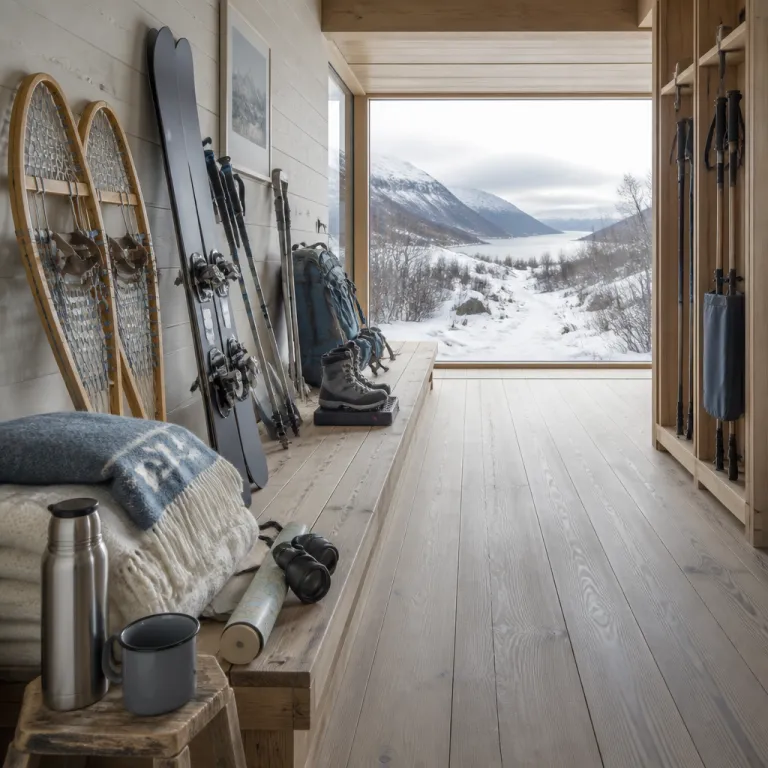
Why Patagonia off-season luxury travel works for demanding guests
Patagonia off season luxury travel is not a downgrade; it is a recalibration of what matters when you are paying for space, silence and service. In winter, this southern edge of Argentina and Chile empties out, and luxury lodges quietly pivot from volume to depth of experience for travelers who value privacy and attentive staff. For a business leisure guest used to packed boardrooms and premium cabins, the chance to visit Patagonia when the steppe is frosted and the lobby is almost empty can feel like a rare privilege.
Across Patagonia, from the lake district around Bariloche to the glacier corridor near El Calafate, winter means fewer tour buses and more time with expert guides who are not rushing to the next group. The same national parks that feel congested in the peak season — Los Glaciares National Park in Argentina or Torres del Paine National Park in Chile — become quiet amphitheatres where you can actually hear the wind move across the glacier. Luxury Patagonia properties use this time of year to offer longer private excursions, slower dinners and more flexible itineraries that are almost impossible when every room is sold out.
There is also a clear financial logic behind choosing this time to travel Patagonia in style, especially if you are extending a Buenos Aires business trip. Typical high season rates at top lodges in Patagonia can hover around 1 500 USD per night, while many winter rates slide closer to about 1 200 USD, based on recent regional pricing snapshots from lodge rate sheets and 2023–2024 booking data. For executives used to benchmarking value, that shift in nightly rate, combined with a substantial decrease in visitor numbers across the region — often around half of peak season volumes according to provincial tourism board statistics for Santa Cruz and Río Negro — makes winter the best season to plan a Patagonia tour that feels both indulgent and rational.
From Buenos Aires boardrooms to Patagonian fireplaces
Many luxury travel itineraries to Patagonia now begin in Buenos Aires, where conferences, client dinners and hotel suites set a polished urban tone. After a few days in the capital, with its grand avenues and historic palacios, the smartest move is to pivot south and visit Patagonia for three or four nights of winter calm. Direct flights from Buenos Aires to El Calafate or Bariloche make this shift from city to glacier remarkably efficient for a time poor executive.
In the lake district of northern Patagonia, winter changes the script at properties like Las Balsas on the shores of Nahuel Huapi Lake. With just three suites and twelve rooms, this Relais & Châteaux address already feels intimate in any season, but in winter it becomes more like a private lake house where you might share the lounge with only one other couple. As one long-standing manager in the area notes, “In July we finally have time to pour a second glass of Malbec, sit by the fire and really listen to what guests need from their stay.” If you are planning a refined stay in the lake district, the detailed guide to Villa La Angostura and its most polished properties on Argentina’s lake district refined stays is a useful starting point for mapping a winter itinerary.
Further south, near El Calafate in Argentina, Eolo Lodge sits between the town and Los Glaciares National Park, offering a front row seat to the Patagonian steppe. With only seventeen rooms, Eolo in winter feels like a private club, where the fireplace lounges become informal strategy rooms for small teams or solo travelers decompressing after a quarter of intense travel. This is the time of year when staff can arrange flexible transfers to the Perito Moreno Glacier, adjust meal times around your calls and even help you structure a two day itinerary that balances work, rest and time to visit the Moreno Glacier without rushing.
Winter light, quieter national parks and sharper glacier drama
What actually changes when you choose Patagonia off season luxury travel rather than a classic summer trip? First, the light; winter days are shorter, but the low sun and snow capped peaks create a cinematic quality that makes even a simple walk near your lodge feel like a curated experience. Second, the soundscape shifts, because the usual convoy of buses heading to each national park is reduced, leaving more silence around the glacier viewpoints and lake shores.
At Los Glaciares National Park in Argentina, the Perito Moreno Glacier is a year round spectacle, but many guides quietly admit that winter is their preferred time to visit. Colder air sharpens the blue tones of the ice, and calving events — when blocks of ice break off the Moreno Glacier and crash into the lake — can feel more dramatic against the stillness of the season. A detailed analysis of why winter is Argentina’s best kept luxury travel secret on Argentina’s winter luxury travel guide underlines how shorter queues, better guiding ratios and more attentive service combine to elevate the overall experience.
Across the border in Chile, Torres del Paine National Park also transforms once the peak season passes and winter settles over the granite towers. Trails that are crowded in the warmer time of year become almost meditative, and the wildlife behavior shifts, with guanacos and foxes more visible against the snow. When you plan to travel Patagonia in winter, you can design an itinerary that links Los Glaciares and Torres del Paine, moving between Argentina and Chile with fewer border delays and more time to appreciate how these national parks complement each other in the quietest season.
Rates, logistics and how to choose your winter lodge
From a pure numbers perspective, winter is the best time to secure value at luxury Patagonia lodges without compromising on quality. Regional data and recent booking patterns show that visitor numbers in Patagonia often drop by around 50 percent in winter, while average nightly rates at high end properties frequently fall from about 1 500 USD in peak months to roughly 1 200 USD in the off season, based on published 2023–2024 rate sheets from flagship lodges in Bariloche, El Calafate and Torres del Paine. For a business traveler extending a work trip, that differential can fund private guiding, upgraded transfers or an extra night to visit Patagonia at a more relaxed pace.
Logistics are more straightforward than many first time visitors to South America expect, especially when you are moving between Chile and Argentina on a focused Patagonia tour. The key is to align your time to visit with the winter operating calendars of specific lodges and local partners, because not every property or excursion runs year round. As one regional advisory notes with reassuring clarity, “Are luxury lodges open during Patagonia's winter? Some lodges remain open, offering special winter packages.”
When you are choosing where to stay, think in terms of how each property frames the surrounding landscape and how that fits your own rhythm. Llao Llao Resort near Bariloche, for example, works well if you want a full service base with winter sports, spa time and easy access to the lake district national parks, while Eolo and Las Balsas suit travelers who prefer fewer rooms and more direct contact with the elements. If you are starting or ending your trip in Buenos Aires, it is worth pairing these Patagonian stays with a heritage rich property in the capital, and the in depth review of golden age hotels and their renovation wave on Buenos Aires golden age hotels offers a curated shortlist that matches the standards you will expect further south.
FAQ
Are luxury lodges in Patagonia open during winter?
Not every property operates year round, but a solid group of luxury lodges in both Argentina and Chile stays open through the winter season, typically from June to August in the Southern Hemisphere. These include key addresses near Los Glaciares National Park, the lake district and Torres del Paine National Park, often with reduced inventory and more flexible packages. Always check specific dates and winter services before you book, because spa facilities, restaurant openings and excursion menus can change compared with the peak time of year.
What activities can I expect during a winter trip to Patagonia?
Winter in Patagonia still offers a wide range of activities, though the focus shifts from classic trekking to more curated experiences. You can expect glacier viewing at Perito Moreno, scenic drives through Los Glaciares and other national parks, gentle winter hiking, wildlife watching and cultural encounters on nearby estancias. Many luxury Patagonia lodges also design winter specific experiences such as fireside tastings, stargazing sessions and shorter, more flexible excursions that fit around limited daylight hours.
Is it safe to travel Patagonia in winter for a short business leisure extension?
Travel Patagonia in winter is generally safe when you prepare properly and work with experienced local partners. Main routes between Buenos Aires, Bariloche, El Calafate and key Chile Argentina border crossings are maintained, and reputable lodges coordinate transfers with professional drivers who understand seasonal conditions. Pack appropriate winter clothing, allow buffer time in your itinerary for weather related changes and rely on your lodge concierge to adjust daily plans if conditions shift.
How many days should I plan for a winter visit to Patagonia?
For a business traveler adding Patagonia to a South America work schedule, three to four nights is usually the sweet spot. That gives you one full day at the Perito Moreno Glacier or in Torres del Paine National Park, plus additional time for lodge based activities and rest. If you want to combine the lake district with Los Glaciares or link Argentina and Chile in one itinerary, aim for six to eight nights to avoid feeling rushed.
What should I pack for a luxury winter stay in Patagonia?
Even at the most refined lodges, winter in Patagonia is about practical elegance rather than formalwear. Focus on layered technical clothing, a warm waterproof jacket, gloves, a hat, sturdy boots and comfortable indoor pieces you can wear around the fireplace or at dinner. Many properties provide gear for specific excursions, but bringing your own well fitting outerwear will make every glacier viewpoint, national park trail and lakeside walk far more comfortable.