Iconic places to go in Argentina for a refined first trip
Planning where to stay shapes how you experience the most memorable places to go in Argentina. For a first trip focused on comfort and style, many travelers start in Buenos Aires, then add Patagonia, Iguazú Falls, and the northwest around Salta. This classic route balances urban culture, national park landscapes, and indulgent hotel stays.
In Buenos Aires, premium hotel options cluster around Recoleta, Palermo, and the revitalized docks of Puerto Madero, each area offering different atmospheres and rooms with distinct views. Staying in the capital lets you pair a refined spa or rooftop pool with evenings in a tango bar and day trips to coastal Mar del Plata. When you visit Argentina for the first time, this combination of city energy and seaside relaxation feels both manageable and deeply rewarding.
Farther south, Bariloche on the shores of Nahuel Huapi National Park is one of the best places to visit for lakeside luxury. Here, a high end hotel or carefully chosen mid range range option gives you quick access to hiking trails, chocolate cafés, and serene spa facilities. Many travelers then continue their trip to the wider Patagonia region, where the Perito Moreno Glacier and the peaks near Fitz Roy showcase why south America considers this one of its great wilderness areas.
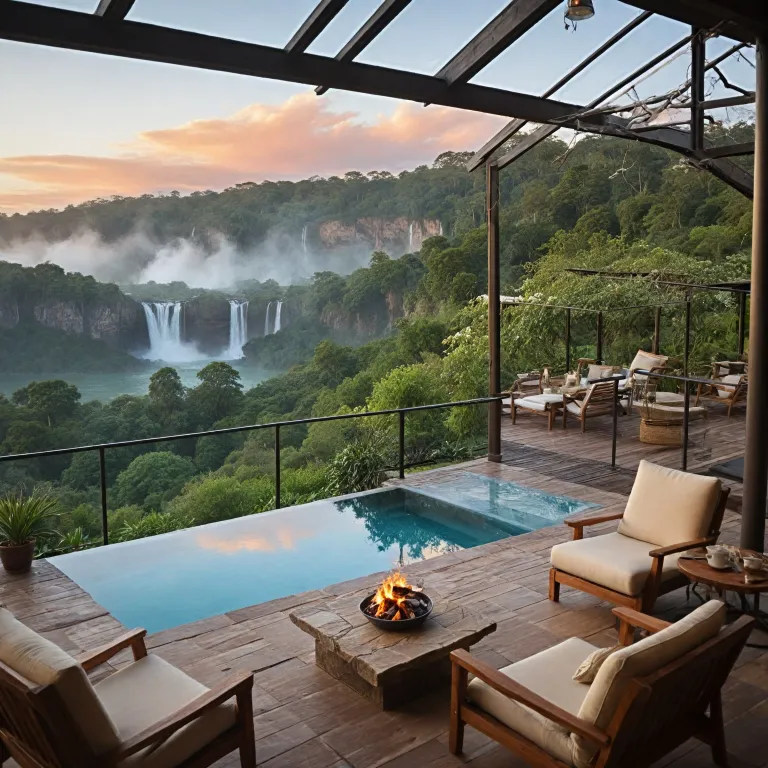
To the north, Puerto Iguazú serves as the main gateway to Iguazú Falls and its surrounding national park. Upscale properties here often feature jungle facing rooms and tranquil pools, while a smart budget option still keeps you close to the walkways above the falls. Across all these regions, you will find a spectrum of hotel and hostel choices, allowing you to match each stop on your itinerary with the level of comfort you prefer.
Luxury and premium stays in Buenos Aires, Mar del Plata, and beyond
Buenos Aires remains the cultural heart of Argentina, and it offers some of the best urban places to go in Argentina for travelers who value design, gastronomy, and attentive service. In Recoleta, grand hotel properties combine marble lobbies, generous rooms, and discreet spa areas, ideal for a first or second trip. Palermo, by contrast, offers more intimate addresses with leafy streets, creative restaurants, and a lively bar scene that appeals to younger guests and couples.
When you visit Argentina for a longer stay, consider splitting your time between these neighborhoods to experience different sides of the capital. A mid range hotel in Palermo can be an excellent range option for travelers who want style without excess formality, while a more traditional property in the center keeps you close to theaters and historic cafés. Even if you choose a budget option or a well rated hostel, you can still enjoy premium experiences through guided city tours, wine tastings, and tango shows.
On the Atlantic coast, Mar del Plata offers a contrasting seaside atmosphere with long beaches and a relaxed promenade. Here, a beachfront hotel with ocean facing rooms can transform a simple stop into a restorative pause during a wider south America itinerary. Some travelers pair Buenos Aires with Mar del Plata and nearby Mar del Plata del Plata area resorts, creating a coastal circuit that balances city intensity with sea air.
For those seeking quieter coastal places to visit, smaller towns south of Mar del Plata provide more tranquil stays. You will find a mix of family run hotel properties, simple hostel options, and a few mid range establishments that still offer a spa or pool. Whatever your choice, planning your time carefully between Buenos Aires, Mar del Plata, and inland destinations ensures your trip feels both varied and cohesive.
Patagonia elegance: Bariloche, glaciers, and hiking near Fitz Roy
Patagonia is one of the most evocative places to go in Argentina, especially for travelers who want dramatic scenery paired with refined comfort. Bariloche serves as a natural base, with its lakeside setting, alpine style architecture, and a wide range of hotel categories. Many premium properties here feature panoramic rooms, indoor pools, and spa facilities that feel particularly inviting after a day of hiking or sailing.
From Bariloche, you can explore nearby national park areas with well marked hiking trails and viewpoints. A mid range range option close to the lake can be the best compromise between budget and comfort, especially if you plan to spend most of your time outdoors. Travelers who prefer a budget option or hostel will still find plenty of welcoming places, often with shared kitchens and social spaces that encourage meeting other guests.
Farther south, the Perito Moreno Glacier near El Calafate is a highlight of any trip to Patagonia. The Moreno Glacier dominates the landscape with its blue ice walls, and guided walks or boat excursions allow you to appreciate its scale. Many visitors combine this with time in Los Glaciares National Park near Fitz Roy, where hiking routes range from gentle walks to full day treks with unforgettable views.
Across the border, the Torres del Paine region in Chile complements Argentine Patagonia, and some itineraries include both Torres del Paine and Argentine national park areas. While you cannot stay directly at Perito Moreno Glacier, nearby hotel options range from simple lodges to luxurious spa retreats. When you visit Argentina and Chile together, careful planning of travel times between Bariloche, El Calafate, and Torres del Paine ensures you maximize your days on the trails and minimize long transfers.
Iguazú Falls, Salta, and the north: jungle, desert, and cultural stays
The north of Argentina offers some of the most contrasting places to go in Argentina, combining lush jungle around Iguazú Falls with high altitude deserts near Salta. Puerto Iguazú is the main base for visiting Iguazú Falls, and it offers a spectrum of hotel choices from jungle lodges to modern properties. Many travelers choose rooms with balcony views over the forest, enjoying the sounds of birds and distant water between excursions.
The Iguazú Falls national park is carefully managed, and elevated walkways bring you close to the cascades without harming the environment. Here, “Eco-tourism is gaining popularity.” This trend encourages hotels and hostels to adopt more sustainable practices, from water management to support for local communities.
In Puerto Iguazú, you will find everything from a simple budget option to a refined spa hotel with extensive pools and wellness areas. A mid range range option often provides the best balance, giving you comfortable rooms and good service while keeping overall trip costs reasonable. When you visit Argentina primarily for Iguazú Falls, consider staying at least two nights to experience both the upper and lower circuits at different times of day.
Farther west, Salta and the surrounding valleys offer a different atmosphere, with colonial architecture, vineyards, and striking rock formations. Here, hotel and hostel options are generally smaller in scale, but many provide warm service and excellent regional cuisine. Combining Puerto Iguazú, Iguazú Falls, and Salta in a single itinerary reveals how varied the places to visit in the north can be, from humid jungle to high desert landscapes.
Choosing the right hotel, hostel, and spa experiences for every budget
Selecting where to stay is central to planning meaningful places to go in Argentina, especially when you value comfort and service. The country offers a full spectrum of accommodation, from luxury hotel brands to characterful hostel properties and well equipped mid range establishments. Your choice of rooms, location, and included services will shape how you experience each national park, city, or coastal town.
For travelers focused on wellness, many premium hotels in Buenos Aires, Bariloche, and Puerto Iguazú feature spa facilities with pools, saunas, and massage treatments. These spa areas can be particularly appealing after long hiking days in Patagonia or full sightseeing days around Iguazú Falls. When you visit Argentina with wellness in mind, consider allocating part of your budget to at least one high end spa stay, even if other nights are in a budget option or hostel.
Mid range range option properties often provide the best value, especially in popular places like Bariloche, Salta, and Mar del Plata. They typically offer comfortable rooms, reliable Wi-Fi, and sometimes a small spa or gym, without the premium price of top tier hotels. Travelers who prioritize experiences over amenities can then allocate more of their budget to guided hiking, wine tastings, or additional internal flights.
Those seeking detailed comparisons of luxury stays across Argentina can consult specialized resources such as this guide to the finest all inclusive luxury hotels in Argentina. It helps clarify which hotel or hostel category suits each stage of your trip, from Buenos Aires to Patagonia and beyond. Whatever your budget, planning your places to visit around both experiences and accommodation quality will make your time in south America more rewarding.
Practical planning tips: timing, safety, and how to visit Argentina
Thoughtful planning ensures that your chosen places to go in Argentina align with seasons, safety, and personal comfort. The Ministry of Tourism and Sports of Argentina emphasizes that “The best time to visit depends on the region; for example, Patagonia is best visited during the summer months (December to February), while the north is pleasant in the winter months (June to August).” This guidance helps you decide when to prioritize Patagonia, Iguazú Falls, or the northwest around Salta.
Before your trip, check visa requirements and entry conditions with the relevant consulate, as regulations vary by nationality. Authorities also recommend that “Visa requirements vary by nationality; it's advisable to check with the Argentine consulate or embassy in your country before traveling.” Once in the country, the Argentine National Parks Administration manages areas such as Iguazú Falls, Tierra del Fuego, and other national park sites, ensuring trails and facilities are clearly marked.
Regarding safety, “Argentina is generally safe for tourists, but it's important to stay vigilant, especially in urban areas, and follow local advice.” In Buenos Aires, this means using registered taxis or ride hailing services, keeping valuables discreet, and asking your hotel for neighborhood guidance. In remote areas like Tierra del Fuego and other Patagonia regions, safety focuses more on weather conditions, hiking preparedness, and respecting park regulations.
When you visit Argentina, allow sufficient time for internal flights and transfers between distant places such as Buenos Aires, Bariloche, Puerto Iguazú, and Ushuaia in Tierra del Fuego. Many travelers underestimate distances in south America, so building rest days into your itinerary helps maintain energy. With realistic timing, a clear budget, and carefully chosen hotel or hostel stays, your journey through the many places to visit in Argentina will feel both polished and deeply memorable.
Key statistics about tourism and national parks in Argentina
- Annual tourist arrivals reach approximately 7 000 000 people, reflecting Argentina’s strong appeal as a south America destination.
- There are 35 national parks across the country, including iconic areas such as Iguazú Falls, Tierra del Fuego, and several Patagonia reserves.
- Tourism growth supports local economies in cities like Buenos Aires, Bariloche, Salta, and Puerto Iguazú, as well as smaller communities near major national park sites.
Essential questions about planning places to go in Argentina
What is the best time to visit Argentina?
The best time to visit Argentina depends strongly on the regions you plan to include in your trip. Patagonia, including Bariloche and areas near the Perito Moreno Glacier, is generally most pleasant in the warmer months, when hiking trails are open and days are longer. The northern regions around Salta and Iguazú Falls are often more comfortable in the cooler months, when temperatures are milder and humidity is lower.
Do I need a visa to visit Argentina?
Visa requirements for Argentina vary according to your nationality and the length of your stay. Many travelers from neighboring south America countries and selected other nations can enter visa free for tourism, while others must apply in advance. Always verify current rules with the nearest Argentine consulate or embassy before finalizing flights and hotel bookings.
Is Argentina safe for tourists?
Argentina is considered generally safe for tourists, especially in well visited places such as Buenos Aires, Bariloche, Puerto Iguazú, and Salta. As in any large country, you should remain aware of your surroundings, avoid displaying valuables, and follow local advice from your hotel or tour operator. In remote national park areas, focus on weather forecasts, trail conditions, and official guidance from park rangers to ensure a secure and enjoyable experience.
References : Ministry of Tourism and Sports of Argentina ; Argentine National Parks Administration ; World Bank tourism statistics.