How seasons shape the best time to travel to Argentina
Understanding the best time to travel to Argentina starts with its seasons. This long country stretches from subtropical Misiones to icy Argentine Patagonia, so weather and light change dramatically between regions. Your ideal time of year will depend on whether you prioritise mild temperatures, cultural life in Buenos Aires, or pristine landscapes with smaller crowds.
In Argentina, spring runs from September to November, summer from December to February, autumn from March to May, and winter from June to August. These seasons define not only the weather but also the low season and high season for luxury and premium hotels in each region. When you plan to travel Argentina, you should align your itinerary with these cycles to secure the best suites and personalised services.
For many travellers, the best time is shoulder season, when the country feels generous yet calm. During March and April, or again from September to November, you often find the best times to visit Argentina’s cities and wine regions with fewer queues. Luxury properties in Buenos Aires and Mendoza frequently curate seasonal experiences around these windows, from private wine harvest events to curated art walks.
Weather is only one factor when choosing the best time to travel to Argentina. Peak season in one region can coincide with low season in another, which is a strategic advantage for discerning guests. By reading regional patterns carefully, you can design times to visit that combine comfortable weather, smaller crowds, and elevated hospitality.
Buenos Aires and Mendoza: elegant city and wine escapes by season
For Buenos Aires, many experts agree that the best time is spring and autumn. According to the National Meteorological Service, the “Average Summer Temperature in Buenos Aires” is 77 °F, which can feel heavy when humidity rises. This makes March to May and September to November particularly appealing for guests who value refined urban experiences and temperate weather.
During these months, the weather in Buenos Aires is usually mild enough for long walks through Recoleta and Palermo. Luxury hotels in Buenos Aires often design seasonal menus and rooftop events that respond to this pleasant time of year. When you visit Argentina for culture, these periods balance vibrant nightlife with manageable traffic and smaller crowds at major museums.
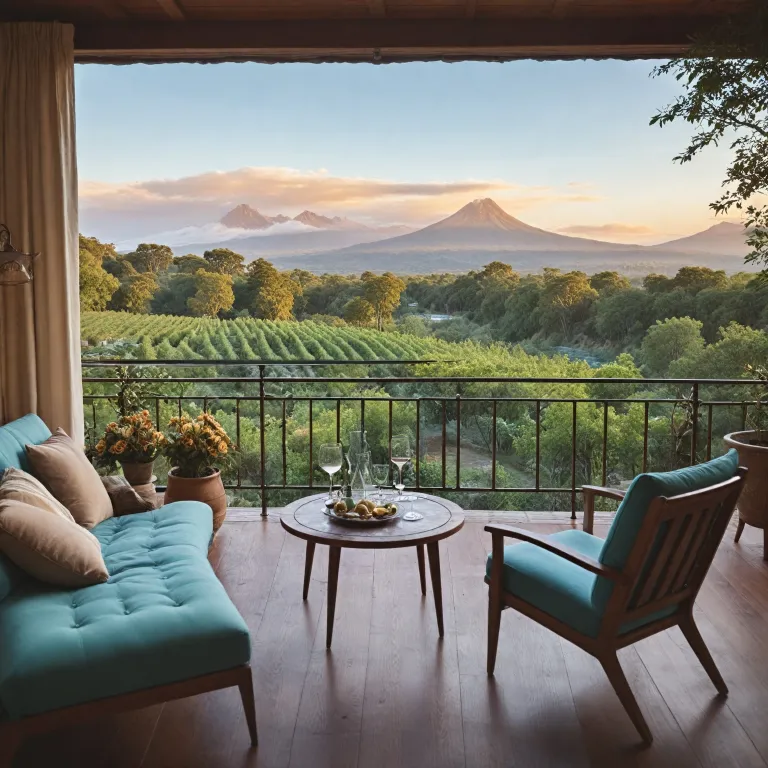
Mendoza, mapped at the foothills of the Andes, follows a slightly different rhythm. The best time to travel to Argentina for wine lovers is often March and April, when harvest season fills vineyards with activity and the weather remains warm but not oppressive. Many premium properties in Mendoza coordinate private tastings, vineyard picnics, and spa rituals around this season, making it an excellent time visit for oenophiles.
From September to November, Mendoza enjoys crisp mornings and clear afternoons, ideal for cycling between wineries. Travellers who study a detailed map of the region can pair high altitude vineyards with stays in secluded lodges that offer panoramic views. Whether you choose one time or several times to visit, aligning your travel Argentina plans with these seasons enhances both comfort and service.
Choosing the right time to visit Patagonia and Tierra del Fuego
Argentine Patagonia demands particular attention when deciding the best time to travel to Argentina. The region’s vast distances and rugged landscapes mean that weather and daylight hours strongly influence every visit. For many, the high season from December to February offers the best combination of open trails, extended light, and full operational capacity in remote lodges.
However, this peak season also brings higher rates and more visitors to icons such as Los Glaciares National Park. The “Average Winter Temperature in Patagonia” is 32 °F, which explains why many properties reduce services in the coldest months. If you prefer smaller crowds and a more contemplative atmosphere, consider September to November or March to April as alternative times to visit.
In Tierra del Fuego and the city of Ushuaia, the time of year shapes everything from navigation schedules to wildlife sightings. Summer, especially December to February, is the classic time visit for cruises to the Beagle Channel and beyond. Yet early spring and late summer can offer best times with softer light, while still avoiding the harshest winter conditions at the southern tip of South America.
When you travel Argentina for Patagonia, study a regional map and plan transfers carefully. Distances between national park gateways, such as El Calafate and El Chaltén, require generous buffers in your itinerary. By matching your preferred weather, tolerance for high season, and appetite for adventure, you can define your personal best time to travel to Argentina’s southern frontiers.
Iguazú Falls and the subtropical north: balancing power and comfort
The Iguazú region in northern Argentina offers a very different climate profile. Here, the “Annual Rainfall in Iguazú Falls Region” is 67 inches, which means lush vegetation and dramatic water volumes throughout the time year. When planning the best time to travel to Argentina for Iguazú Falls, you must weigh intensity against comfort.
Experts note that “Visiting Iguazú Falls during the rainy season (December to February) can be advantageous as the falls are at their most powerful, but be prepared for higher humidity and potential rain showers.” This rainy high season coincides with school holidays in much of South America, so peak season crowds and premium hotel rates are common. Travellers who value privacy and smaller crowds may prefer the shoulder months around March or from September to November.
During these transitional periods, the weather is still warm, but humidity can feel more manageable. Luxury properties near the national park often design spa treatments and private deck experiences that respond to the changing season. When you visit Argentina for Iguazú Falls, consider combining a few nights here with time in Buenos Aires to balance nature and culture.
Using a detailed map of the country, many guests pair Iguazú with Mendoza or Argentine Patagonia in a single itinerary. This multi region approach allows you to experience different best times in one travel Argentina journey, moving from subtropical forests to Andean vineyards or glacial lakes. Careful planning around flight schedules and time visit windows ensures that each segment feels unhurried and indulgent.
Strategic timing for luxury hotel bookings across Argentina
For travellers focused on luxury and premium hotel booking, timing can be as important as location. The best time to travel to Argentina for top tier stays often falls just outside the absolute peak season in each region. During these shoulder periods, properties still operate at full capacity but can offer more personalised attention and, occasionally, more flexible conditions.
In Buenos Aires and Mendoza, March and April or September to November are frequently cited as best times. These months sit between the high season of December to February and the cooler winter low season, creating a sweet spot for refined experiences. When you visit Argentina in these windows, you often find smaller crowds in lobbies, calmer breakfast services, and easier access to spa appointments.
In Argentine Patagonia and Tierra del Fuego, the calculus is slightly different. Here, December to February remains the primary high season, especially around national park gateways and iconic glaciers. Guests who value tranquillity may choose late spring or early autumn as their preferred time visit, accepting cooler weather in exchange for quieter lounges and more attentive concierge teams.
Wine travellers planning to travel Argentina for Mendoza should also consider specialised resources. For a detailed perspective on vineyard stays and regional timing, many discerning guests consult a refined guide to Uco Valley Mendoza for discerning wine travellers. Combining such insights with real time weather data and a clear map of internal flights helps you orchestrate times to visit that align perfectly with your expectations.
Designing multi region itineraries by month and season
Creating a sophisticated itinerary across Argentina means thinking beyond a single destination. The best time to travel to Argentina for a multi region journey often involves pairing different climates in one coherent route. Many travellers start with Buenos Aires, then connect to Mendoza, Iguazú Falls, or Argentine Patagonia according to the month and desired season.
From September to November, you can enjoy spring blossoms in Buenos Aires, fresh vintages in Mendoza, and increasingly accessible trails in Patagonia. This period offers several best times within one overarching time year, especially for guests who appreciate smaller crowds and moderate weather. When you travel Argentina in these months, you can often secure preferred room categories and late checkout privileges more easily.
Between December and February, the country enters a vibrant high season. Buenos Aires feels energetic, coastal resorts fill, and Patagonia along with Tierra del Fuego operate at full capacity for outdoor activities. If you choose this time visit, booking premium hotels and internal flights well in advance is essential, particularly near any national park.
March is an elegant bridge month for those seeking balance. In Buenos Aires and Mendoza, temperatures soften while service levels remain high, making it one of the best times to visit for gastronomy and wine. By reading climate charts and studying a detailed map, you can design times to visit that move gracefully from one region’s peak season to another’s low season, maximising comfort and value.
Practical tips for planning and booking your Argentine stay
Once you have identified your best time to travel to Argentina, attention turns to practicalities. Begin by confirming the season in each region you plan to visit, then cross reference this with your preferred activities. This ensures that your time visit aligns with both weather expectations and hotel availability.
Use official tourism resources and trusted weather services to read current conditions, especially for Argentine Patagonia and Iguazú Falls. When you travel Argentina during high season, secure restaurant reservations, spa treatments, and private excursions at the same time as your room booking. In low season, communicate directly with properties to confirm which services operate fully, particularly in remote areas near any national park.
For Buenos Aires and Mendoza, consider at least three nights in each city to settle into the rhythm. This allows you to adjust to the country’s pace, explore neighbourhoods mapped around your hotel, and enjoy unhurried meals. In Patagonia and Tierra del Fuego, factor in additional time year for weather related changes, as wind or rain can affect daily plans.
Finally, remember that the best times to visit Argentina are ultimately personal. Some guests thrive on the energy of December to February high season, while others cherish the quiet elegance of September to November or March. By aligning your expectations, budget, and tolerance for smaller crowds or busy lobbies, you can define your own best time to travel to Argentina and secure a stay that feels both luxurious and deeply attuned to place.
Key travel and climate statistics for Argentina
- Average summer temperature in Buenos Aires is 77 °F, favouring spring and autumn for many luxury travellers.
- Average winter temperature in Patagonia is 32 °F, which shapes the shorter operating window for many remote lodges.
- Annual rainfall in the Iguazú Falls region reaches 67 inches, sustaining powerful flows throughout much of the year.
Essential questions about the best time to travel to Argentina
What is the best time to visit Buenos Aires ?
The best time to visit Buenos Aires is during spring (September to November) and autumn (March to May) when the weather is mild and pleasant. These seasons also align well with cultural events and comfortable terrace dining. Luxury hotels often tailor their experiences to these windows, enhancing the overall stay.
When is the peak tourist season in Patagonia ?
The peak tourist season in Patagonia is during the summer months (December to February) when the weather is warmer and most accessible for outdoor activities. This is when national park services, guided hikes, and navigation options operate at full strength. Travellers seeking quieter experiences may instead choose the shoulder months around this period.
Is it advisable to visit Iguazú Falls during the rainy season ?
Visiting Iguazú Falls during the rainy season (December to February) can be advantageous as the falls are at their most powerful, but be prepared for higher humidity and potential rain showers. Luxury properties help guests adapt with flexible scheduling and climate controlled spaces. Many travellers find that the dramatic water volume outweighs the occasional inconvenience of tropical rain.