What a puerta cerrada is and why it matters for argentina travel
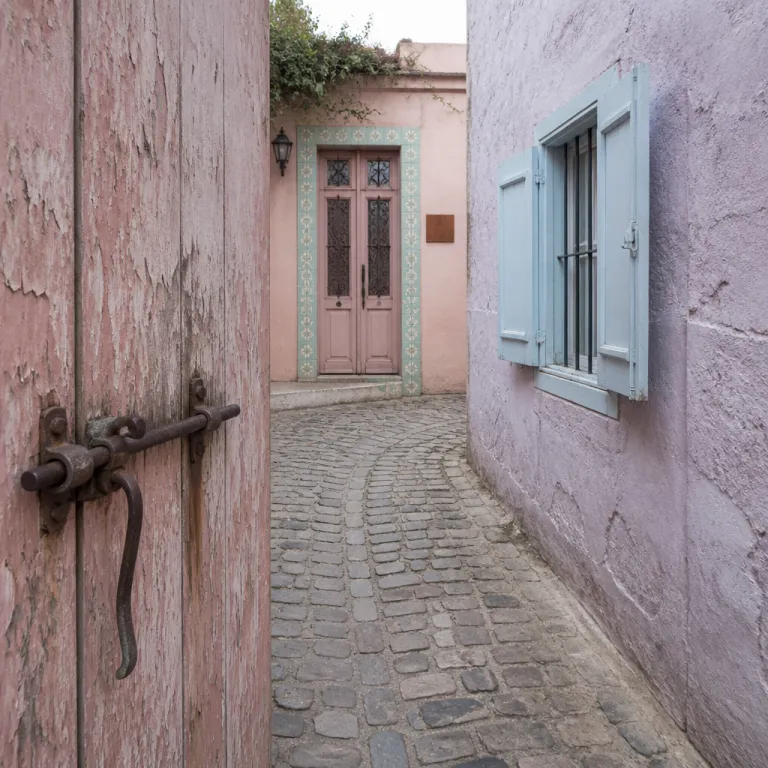
In Buenos Aires, the phrase puerta cerrada refers to a closed door restaurant hosted in a private home or discreet space. These puertas cerradas are invitation like experiences where a small group shares an intimate dining experience built around argentine food, wine and conversation. For many luxury travelers, closed door restaurants Buenos Aires style become the most memorable course of an entire argentina travel itinerary.
A typical puerta cerrada evening begins with a buzzer at an unmarked door, then a welcome glass of wine in a living room that feels more like a friend’s apartment than a formal restaurant. The host explains the tasting menu, often highlighting local food traditions from across aires Argentina, and the closed door format encourages guests to talk with one another rather than retreat into private tables. Because these door restaurants operate on fixed menus, the chef can focus on the best seasonal argentine food, from empanadas and seafood to slow cooked meats and dulce leche desserts.
Unlike conventional restaurants buenos visitors might book last minute, most puertas cerradas require advance reservations and prepayment, which suits planners who treat dining as a central part of argentina travel. The closed doors policy means there is usually a single sitting per night, so the dining experience can stretch over several relaxed hours without pressure to turn the table. For solo travelers, this closed door restaurant format often feels safer and more convivial than a large, anonymous dining room in a busy city.
Key neighbourhoods for puertas cerradas and why staying nearby matters
Most closed door restaurants Buenos Aires hosts are clustered in residential neighbourhoods such as Palermo, Villa Crespo and Chacarita rather than in the traditional tourist core. These areas combine tree lined streets, creative energy and a strong local food culture, which makes them ideal for a night that blends restaurant level cooking with the warmth of a private home. When you stay in a luxury property within walking distance, the city feels more manageable after a late puerta cerrada dinner and a generous wine pairing.
Palermo concentrates many of the best door restaurants, surrounded by cocktail bars, wine bars and contemporary parrillas that turn dining Buenos Aires into a multi night project. Villa Crespo and Chacarita feel more low key but offer great hidden gems, where puertas cerradas share the block with artist studios and small cafés that serve dulce leche pastries in the morning. Because argentina eats late and a typical dining experience can finish after midnight, choosing a hotel close to your chosen closed door restaurant reduces the need for long taxi rides across the city.
San Telmo, with its cobblestone streets and antique shops, also hosts a handful of puertas cerradas that lean into history and tango culture. Here, staying in a refined property near the main square lets you walk to your closed doors dinner, then wander back past softly lit façades that show another side of buenos aires at night. To understand how these intimate spaces fit into the broader fine dining map of argentina, it helps to look at how the country’s gastronomic scene has evolved, as explored in depth in this analysis of Michelin starred restaurants reshaping Mendoza’s dining landscape.
How closed door dining fits a wider buenos aires food itinerary
Planning a serious food focused trip to buenos aires means balancing puertas cerradas with parrillas, wine bars and cafés. A closed door restaurant might anchor one night, while another evening is reserved for a classic steakhouse where the asado ritual showcases argentine food traditions at their most elemental. Between these dinners, you can explore the city’s coffee culture, sample medialunas and dulce leche filled pastries, and schedule a wine tasting that highlights how argentina competes with the best in south america.
Many travelers pair a puerta cerrada evening with a visit to a specialist wine bar earlier in the trip, using that first tasting to understand which regions and grapes they prefer. When they sit down later at a closed door restaurant, they can talk confidently about malbec from Mendoza or pinot noir from Patagonia, and the host often responds by opening bottles that rarely appear in conventional restaurants buenos visitors frequent. For those extending argentina travel beyond the capital, a stay at a high end estancia can deepen the connection between dining and landscape, as outlined in this guide to choosing luxury estancias across pampa, mountains and vineyards.
Closed door restaurants Buenos Aires style also complement side trips to wine country or Patagonia, where tasting menus increasingly reference regional produce and indigenous techniques. A guest who has experienced puertas cerradas in the city will recognize similar attention to detail when they sit down to a multi course dinner overlooking vineyards or glaciers. That continuity across the country reinforces argentina’s reputation as one of south america’s great dining destinations and encourages travelers to treat every meal as part of a larger narrative.
Etiquette, timing and how to navigate the puerta cerrada experience
Argentine dining runs late, so a puerta cerrada reservation at 21.00 often means the first course appears closer to 21.30. Guests usually arrive within a short window, share an aperitif and then sit down together, which makes the closed door format feel more like a dinner party than a traditional restaurant. Dress codes lean toward smart casual, and in most closed door restaurants Buenos Aires hosts, elegance is appreciated but formality is not required.
Communal tables are common, especially in smaller puertas cerradas where the host wants to encourage conversation between locals and visitors. Solo travelers often find this arrangement ideal, since the shared dining experience breaks the ice quickly and turns argentina travel into a series of meaningful encounters rather than solitary meals. Tipping follows the same logic as in other restaurants buenos residents frequent, with a cash gratuity of around ten to fifteen percent considered respectful when service has been attentive.
Because these are private spaces, guests should treat the host’s home with the same care they would show a friend’s apartment in aires Argentina. It is polite to ask before taking photos of the kitchen or other diners, and to respect any house rules about smoking or noise after midnight when the closed doors finally open to the quiet street. Many hosts share stories about regional argentine food, wine pairings and the history of puertas cerradas, turning each course into a small lesson about the city and its culture.
Where to stay near puertas cerradas and how to plan your nights
Choosing the right hotel in buenos aires can elevate every puerta cerrada evening, especially when you prioritize walkable neighbourhoods. In Palermo and Villa Crespo, many luxury and premium properties sit on leafy residential blocks, so you can stroll to a closed door restaurant and return under jacaranda trees rather than negotiate late night taxis. For travelers who value both gastronomy and design, these stays offer a refined base that matches the intimacy of the dining experience.
San Telmo appeals to guests who like history with their food, and staying near the main square puts you close to tango bars, antique markets and several puertas cerradas that operate behind discreet façades. From here, it is easy to explore other parts of the city by day, then retreat to your hotel for a rest before a long multi course dinner that might end with dulce leche desserts and a final glass of wine. Travelers who want to connect their urban nights with wilder landscapes can look to properties such as the Arakur Ushuaia, profiled in this review of a refined Patagonia retreat above the end of the world, which shows how argentina’s hospitality extends from city towers to mountain perches.
When planning several closed door evenings, consider alternating neighbourhoods so you experience different sides of the city without long commutes. One night might focus on Palermo’s contemporary food and wine scene, another on San Telmo’s historic streets, and a third on a quieter barrio where puertas cerradas feel like true hidden gems. By aligning your hotel choices with these dinner reservations, you turn buenos aires into a series of walkable, late night vignettes that feel both luxurious and deeply local.
FAQ
How do I book a puerta cerrada in buenos aires ?
Most puertas cerradas in buenos aires operate on a reservation only basis, often managed through email, messaging apps or dedicated booking platforms. You usually choose a set menu in advance, note any dietary restrictions and pay a deposit or the full amount before the night. Because spaces are limited behind these closed doors, it is wise to book at least several days ahead, especially during peak argentina travel seasons.
Are closed door restaurants safe for solo travelers ?
Closed door restaurants Buenos Aires style tend to be small, hosted environments where the door restaurant team knows exactly who is attending each night. This structure, combined with communal tables and a focus on hospitality, often feels safer and more welcoming for solo guests than large anonymous venues. As with any big city, you should still use common sense, share your plans with someone you trust and choose well reviewed puertas cerradas in established neighbourhoods.
What kind of food and wine should I expect at puertas cerradas ?
Most puertas cerradas highlight argentine food with a creative twist, serving multi course menus that might include regional empanadas, seasonal vegetables, grilled meats and desserts based on dulce leche. Wine pairings usually focus on argentina’s key regions, with malbec from Mendoza, cabernet franc from the Uco Valley or pinot noir from Patagonia appearing alongside lesser known labels. Some hosts also incorporate influences from other parts of south america, but the core identity remains firmly rooted in the flavours of buenos aires and the wider country.
How much time should I allow for a closed door dining experience ?
A typical closed door restaurant evening in buenos aires lasts between three and four hours from the first welcome drink to the final course. Because there is usually only one sitting, the pace is unhurried and guests are encouraged to linger over wine and conversation. When planning transport or early activities the next day, assume a late finish and give yourself enough time to walk back to your hotel or arrange a car safely.
Do I need to speak Spanish to enjoy puertas cerradas ?
Many hosts in closed door restaurants Buenos Aires welcome international guests and speak at least basic English, especially in areas popular with travelers. Menus are often explained in both languages, and fellow diners can help bridge any gaps, turning the evening into a shared cultural exchange. Learning a few simple Spanish phrases for greetings, thanks and compliments about the food will always be appreciated and can deepen your connection with the local city experience.