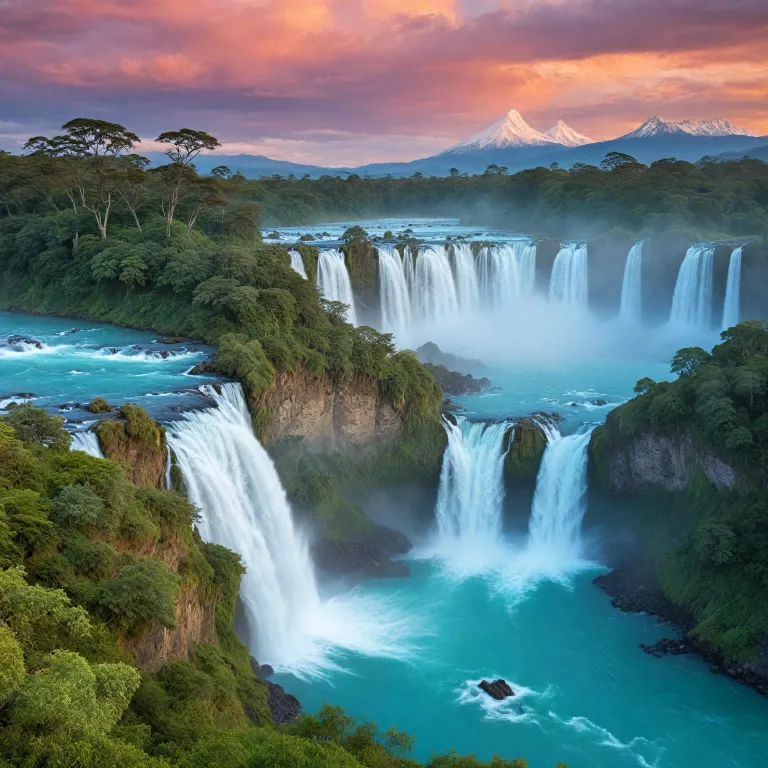
Elegant ways to experience what to see in Argentina
Planning what to see in Argentina starts with understanding its scale and variety. This immense argentine land stretches over 2 780 400 square kilometres, so every trip demands clear priorities and realistic timing. For travellers focused on luxury and premium stays, aligning each city or national park with the right hotel or hostel style is essential.
Many visitors begin their trip Argentina journey in the capital, using Buenos Aires as a gateway to the rest of South America. This vibrant city offers refined hotels in Recoleta and Palermo, plus every budget option and mid range option for flexible itineraries. When you visit Argentina, consider at least three days in the capital to balance culture, gastronomy, and rest before flying onward.
The Ministry of Tourism and Sports of Argentina notes that "Argentina offers a diverse range of attractions, from natural wonders to cultural landmarks." This diversity shapes how you choose each hotel or hostel, from urban towers to estancias near national park gateways. Luxury travellers often combine a premium city stay with a range option of countryside lodges and remote Patagonia retreats.
To decide what to see in Argentina first, think in themed routes rather than a single linear tour. One route links Buenos Aires, Iguazú Falls on the argentine side, and Mendoza’s vineyards for a great mix of culture, nature, and wine. Another connects Patagonia icons such as Fitz Roy, Perito Moreno, and Torres del Paine, pairing each area with carefully selected hotels that match your travel style.
Buenos Aires highlights and refined hotel choices
Any guide to what to see in Argentina must give Buenos Aires special attention. The city blends European influenced avenues with distinctly argentine neighbourhood life, making it ideal for slow exploration over several days. Staying in a well located hotel lets you walk between cafés, theatres, and leafy plazas while keeping transfers short.
In central Buenos Aires, travellers find everything from discreet luxury towers to characterful hostel properties and stylish mid range hotels. Premium Buenos Aires hotels in Recoleta and Puerto Madero offer river views, spa facilities, and fine dining, ideal for the first or last night of a long trip Argentina itinerary. Those seeking a budget option can still stay in safe, well connected districts such as San Telmo or Palermo, where smaller properties deliver great value.
When you visit Argentina’s capital, plan your time by neighbourhood rather than by single attraction. Spend one day between Plaza de Mayo, the Teatro Colón, and the renovated docks of Puerto Madero, then dedicate another to Palermo’s parks and museums. A third day can focus on La Boca and San Telmo, combining street art, antique markets, and tango shows that reveal the city’s layered argentine identity.
For travellers comparing what to see in Argentina beyond the capital, Buenos Aires remains the logistical hub for flights to Patagonia, Iguazú Falls, and wine regions. Choosing a hotel close to Aeroparque domestic airport can shorten early morning transfers for onward travel. For more detail on refined stays, see this guide to premium Buenos Aires hotels and exclusive experiences.
Iguazú Falls and the art of staying near nature
When travellers ask what to see in Argentina after Buenos Aires, Iguazú Falls usually tops the list. This immense curtain of water straddles the border with Brazil, but many visitors prefer the argentine side for its extensive walkways and immersive trails. The surrounding national park is carefully managed by the Argentine National Parks Administration, which balances conservation with visitor access.
Choosing the right hotel near Iguazú Falls can transform a short visit into a memorable stay. Luxury properties within or beside the national park allow guests to hear the falls at night and enjoy quieter early morning access, while mid range options in Puerto Iguazú town offer comfort and flexibility. Budget option hostels and smaller hotels still provide easy transfers to the park gates, making this area accessible to a wide range of travellers.
To appreciate Iguazú Falls fully, plan at least one full day on the argentine side, walking the upper and lower circuits and the dramatic Garganta del Diablo walkway. Many travel guides recommend adding a second day for boat tours or birdwatching, especially if your trip Argentina itinerary includes photography or slow travel. A third day can be reserved for cross border excursions or simply relaxing at your hotel pool amid the subtropical forest.
For those mapping what to see in Argentina in one journey, Iguazú combines well with Buenos Aires and Mendoza or with Patagonia for a strong contrast of climates. Premium travellers often book through curated platforms that coordinate flights, transfers, and a range option of hotels across regions. For inspiration on elevated stays across the country, consult this overview of Argentina luxury suite booking strategies.
Patagonia icons from Perito Moreno to Fitz Roy
For many visitors planning what to see in Argentina, Patagonia represents the ultimate dream. This vast south america region stretches from the Lake District to windswept steppe and icy channels, so distances and weather require careful planning. The reward is access to some of the world’s best things in glacier and mountain scenery.
El Calafate is the main gateway to the famous Perito Moreno Glacier, located within Los Glaciares National Park. Here, travellers can choose between lakefront luxury hotel stays, comfortable mid range lodges, and simple hostel options that keep costs manageable. A full day excursion to the Moreno Glacier usually includes panoramic walkways and, for those interested, boat trips or guided mini trekking on the ice.
Further north, the Fitz Roy area around El Chaltén attracts hikers seeking dramatic granite spires and well marked trails. Many travel guides suggest at least three days here, allowing one day for the classic Laguna de los Tres hike, another for shorter viewpoints, and a rest day in the village. Accommodation ranges from cosy guesthouses to higher end hotels, so every trip Argentina budget finds a suitable option.
Some itineraries also combine Argentine Patagonia with Torres del Paine in Chile, forming a powerful circuit of national park landscapes. When planning what to see in Argentina and neighbouring regions, consider transfer times between El Calafate and the Torres del Paine area, especially in winter. Between excursions, refined lodges offer spa facilities, tasting menus, and curated wine lists that highlight argentine producers from Mendoza and beyond.
Wine country, estancias, and characterful stays
Beyond the headline icons, what to see in Argentina also includes quieter regions where hospitality takes centre stage. Mendoza’s vineyards, Salta’s high valleys, and the rolling pampas near Buenos Aires offer slower rhythms and strong culinary traditions. In these areas, the choice of hotel or estancia shapes your connection with local culture.
In Mendoza, many travellers split their time between a city hotel and a vineyard lodge in Luján de Cuyo or the Uco Valley. Luxury properties here emphasise spa rituals, private tastings, and views of the Andes, while mid range and budget option stays still provide access to excellent wineries. For a deeper look at immersive wine stays, consult this feature on an immersive luxury experience in Mendoza’s wine country.
In the northwest, Salta and Jujuy combine colonial city centres with striking landscapes such as the Quebrada de Humahuaca. Travellers can base themselves in a central hotel or hostel in Salta city, then take day tours to surrounding villages and vineyards. Many travel guides highlight this region as a great range option for those seeking culture, scenery, and more temperate weather during a longer trip Argentina itinerary.
Closer to Buenos Aires, traditional estancias allow guests to experience argentine rural life, horseback riding, and asado lunches. These properties often operate as all inclusive stays, simplifying logistics for families or small groups deciding what to see in Argentina beyond major cities. Combining an estancia with time in the capital and a national park visit creates a balanced overview of the country’s urban and rural character.
Historic cities, cross border gems, and practical timing
While nature dominates many lists of what to see in Argentina, its historic cities add depth and context. Córdoba, Rosario, and Salta each offer distinct architecture, museums, and nightlife, supported by a wide range option of hotels and hostels. Choosing central accommodation reduces transfer times and lets you explore on foot, especially during short stays of two or three days.
Many travellers also include Colonia del Sacramento across the river in Uruguay, often written as del Sacramento in older travel guides. Although not in Argentina, this UNESCO listed city pairs naturally with Buenos Aires, forming a relaxed cross border day trip. Fast ferries connect the two cities, and visitors can choose between returning the same day or spending a night in a local hotel.
When planning your overall trip Argentina schedule, think in regional blocks rather than trying to see everything. A classic first visit Argentina itinerary might combine Buenos Aires, Iguazú Falls, and either Patagonia or Mendoza, depending on the season and personal interests. Those with more time can add the northwest, Córdoba, or extra days in the capital for cultural events and dining.
Practical considerations also shape what to see in Argentina at different times of year. Summer suits Patagonia and the southern national park areas, while autumn is ideal for wine harvests and city breaks. Whatever the season, learning basic Spanish phrases, checking visa requirements, and staying informed about local weather will help every argentine journey run smoothly.
Designing a luxury focused itinerary and choosing stays
For travellers seeking premium comfort, what to see in Argentina is always linked to where to stay. The hospitality industry has embraced digital platforms, making it easier to compare each hotel, hostel, and lodge across regions. Online booking tools and curated agencies help align your preferred comfort level with the right area and season.
Start by defining the core experiences that matter most, whether Iguazú Falls, Perito Moreno, Fitz Roy, or the vineyards of Mendoza. Then assign realistic time blocks, such as three days in Buenos Aires, two days at Iguazú on the argentine side, and four days in Patagonia. Within each stop, decide whether a luxury property, a mid range hotel, or a budget option best suits that part of the trip Argentina journey.
Many visitors planning what to see in Argentina appreciate mixing styles, staying in a high end city hotel before transferring to a simpler mountain lodge. This approach keeps overall costs balanced while still allowing standout nights in exceptional properties. It also reflects how different areas, from national park gateways to historic city centres, offer varied accommodation ecosystems.
To refine your choices, consult updated travel guides, local tourism offices, and the Ministry of Tourism and Sports of Argentina for regional insights. The Argentine National Parks Administration website is particularly useful for understanding access rules, trail conditions, and conservation priorities. By combining authoritative information with thoughtful hotel selection, you can create an argentine itinerary that feels both seamless and deeply personal.
Key statistics about tourism in Argentina
- Annual international tourist arrivals in Argentina reach approximately 7 000 000 people.
- The total area of Argentina covers about 2 780 400 square kilometres.
- Argentina is home to 11 UNESCO World Heritage Sites across its territory.
Essential questions about planning a trip to Argentina
What is the best time to visit Argentina?
The best time depends on the region: summer (December to February) for Patagonia, autumn (March to May) for Mendoza's wine harvest, winter (June to August) for skiing in the Andes, and spring (September to November) for Buenos Aires and the north.
Do I need a visa to visit Argentina?
Visa requirements vary by nationality. It's advisable to check with the Argentine consulate or embassy in your country before traveling.
Is Argentina safe for tourists?
Argentina is generally safe for tourists, but it's important to stay vigilant, especially in urban areas, and follow local advice.