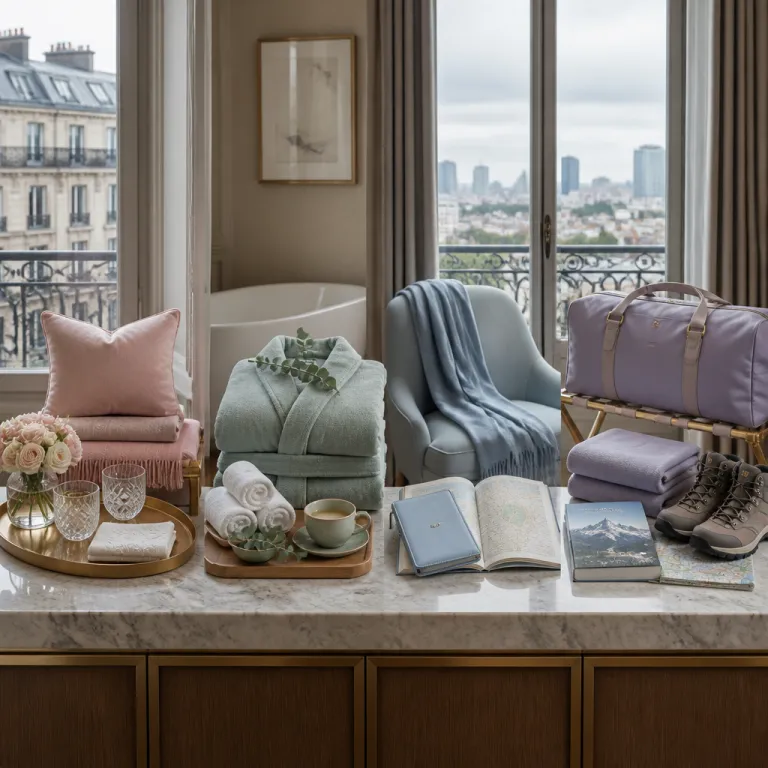
Where to stay in Argentina for a first urban immersion
For many travelers asking where to stay Argentina, the journey sensibly begins in Buenos Aires. The capital concentrates the best luxury hotels, refined restaurants and cultural landmarks in a compact, walkable city that rewards slow exploration. If you plan a first stay Buenos with family, think of Buenos Aires as your base camp for wider Argentina travel, not just a quick overnight.
Recoleta and Palermo define two very different answers to where to stay in this aires Argentina metropolis. Recoleta suits travelers who want a grand hotel Buenos experience, with white gloved service, classic décor and easy access to museums and the historic city center. Palermo, especially Palermo Soho and Palermo Hollywood, offers design driven hotels Buenos options, leafy streets and a more residential feel that works beautifully for families who like to walk, linger and feel part of local life.
In Recoleta, Alvear Palace Hotel and Four Seasons Hotel Buenos Aires anchor the luxury hotels scene and set the tone for service across hotels Argentina. Both properties illustrate why Argentina can deliver South America hospitality at a very high level, while often remaining better value than similar luxury hotels in Europe or North America. When you compare where stay choices across the city, remember that English is widely spoken in these hotels and, as one reference puts it, “Do luxury hotels in Argentina offer English-speaking staff? Yes, most luxury hotels have English-speaking staff.”
Recoleta and Puerto Madero: classic elegance for culture focused travelers
If your priority is art, architecture and easy logistics, Recoleta and Puerto Madero answer the question of where to stay Argentina with reassuring clarity. Recoleta places you close to the Museo Nacional de Bellas Artes, the famous cemetery and tree lined avenues that feel more European than many parts of South America. Families who like to walk between sights will appreciate that most major landmarks sit within a 2 to 3 kilometre radius of the main hotels Buenos cluster.
Alvear Palace Hotel, on Avenida Alvear, is the archetype of a city palace hotel Buenos, with chandeliers, attentive concierges and a formal afternoon tea that older children often remember as a highlight of their stay. Four Seasons Hotel Buenos Aires, a few blocks away, blends a historic mansion with a modern tower, giving guests the choice between classic rooms and contemporary suites that work well for multi generational Argentina travel. Both properties usually offer a swimming pool, spa and flexible dining, which makes a long night flight recovery far easier for families landing in aires Argentina.
Down by the docks, Puerto Madero has evolved into a polished waterfront district, and it suits travelers who like clean lines, wide pavements and a calmer atmosphere. When you weigh where stay options here, look for a view hotel facing the docks, because the reflections at night can be spectacular and the flat paths are ideal for stroller friendly walks. For equestrian enthusiasts planning a wider circuit that includes rural stays, it is worth reading about the polo and estancia circuit, which shows how a city hotel stay can pair with a traditional estancia experience in the pampas.
Palermo, San Telmo and Villa Crespo: neighbourhood stays for design lovers
Travelers who care less about marble lobbies and more about neighbourhood texture often ask where to stay Argentina to feel the city’s creative pulse. In Buenos Aires, that answer usually lies in Palermo, San Telmo and the increasingly interesting Villa Crespo, each offering a different rhythm and style. These districts suit guests who prefer smaller hotels, intimate service and streets where cafés, parks and independent shops sit just a short stay Buenos stroll away.
Palermo Soho is the most established of these areas, with cobbled streets, fashion boutiques and a dense concentration of restaurants that make dinner with children logistically simple. Many of the area’s luxury hotels reinterpret the idea of a traditional boutique property, even if you should avoid the literal term boutique hotel when speaking with some local hoteliers who prefer “design hotel” or “urban retreat.” One of the most polished examples of this new wave is highlighted in our review of elegant Palermo Hollywood accommodation, which shows how a well run hotel can combine a tranquil garden, a serious swimming pool and family friendly suites.
San Telmo, south of the city center, appeals to travelers who want cobblestones, antique markets and tango halls within a short walk of their hotel Buenos base. Here, where stay decisions hinge on how much you value atmosphere over silence, because weekend nights can be lively and the soundscape is part of the experience. Villa Crespo, just west of Palermo, offers a quieter, more residential answer to where to stay in Buenos Aires, with emerging hotels Argentina that attract guests who have already visited the city once and now want a deeper, less polished slice of aires Argentina life.
Wine country stays in Mendoza: where gastronomy leads the itinerary
For travelers whose first question is not where to stay Argentina but where to drink exceptional wine, Mendoza Argentina deserves its own dedicated segment of the trip. The region now has a serious gastronomic reputation, with the Michelin Guide awarding multiple stars to restaurants that pair local produce with high altitude Malbec and other varietals. That shift means Mendoza is no longer just a day trip from the city, but a three or four night destination where the hotel becomes the stage for long lunches and late tastings.
In wine country, the best luxury hotels usually sit among the vines, offering uninterrupted views of the Andes and direct access to cellar doors. Families should look for properties that combine a generous swimming pool, flexible meal times and on site activities such as bike rides through the vineyards, cooking classes or supervised playrooms. When you compare hotels Argentina in this region, pay attention to whether wine tastings and vineyard tours are included in the nightly rate, because that can significantly change the overall value of your stay.
Many Mendoza Argentina properties blur the line between hotel and rural estancia, with horses in the paddocks and fire driven asado dinners that stretch late into the night. This style of stay suits guests who want to slow their Argentina travel, wake to mountain light and let the day revolve around wine, food and relaxed conversation. When planning where stay options between Buenos Aires and Mendoza, remember that internal flights are frequent, and a logical pattern is to begin in the city, fly west for wine and then continue south to Patagonia Argentina for a final nature focused chapter.
Patagonia and the Lake District: lodges for nature and adventure
Once you have answered where to stay Argentina for city and wine, the next question is usually how far south to go for wilderness. Patagonia Argentina and the Lake District around Bariloche offer some of the most dramatic landscapes in South America, with glaciers, lenga forests and deep blue lakes framed by snow capped peaks. The right lodge can transform this region from a logistical puzzle into a seamless, family friendly adventure.
Top tier luxury hotels in Patagonia Argentina typically bundle transfers, guided excursions and equipment into the nightly rate, which simplifies booking and allows you to focus on the experience rather than the details. For families, this means that a single reservation can cover hiking, horseback riding, glacier viewing and even gentle kayaking, with guides who understand how to pace activities for different ages. When evaluating hotels Argentina in this region, ask specifically about minimum age requirements for certain excursions, as well as the availability of shorter, one to two hour outings for younger children.
Some properties lean into the estancia tradition, with working sheep farms, gaucho led rides and long, fire cooked lunches that echo the rural experiences available closer to Buenos Aires. Others feel more like a contemporary view hotel, with floor to ceiling windows, indoor swimming pool facilities and spa treatments designed for post hike recovery. For a sense of how refined these lodges can be, our detailed look at an El Chaltén Patagonia lodge experience shows how design, guiding and gastronomy now intersect in this once remote corner of aires Argentina.
Designing the classic triangle route for premium families
For a first comprehensive itinerary, many premium families follow a triangle route that quietly answers where to stay Argentina across three contrasting regions. The pattern is simple yet effective : begin in Buenos Aires for four or five nights, continue to Mendoza Argentina for three or four nights of wine and food, then finish with four or five nights in Patagonia Argentina. This structure balances city energy, vineyard calm and mountain air, giving each member of the family something to anticipate.
Within Buenos Aires, you might split your stay Buenos between a grand Recoleta address and a more relaxed Palermo Soho or Palermo Hollywood property, experiencing both sides of the city. In Mendoza, choose between a vineyard hotel that focuses on gastronomy and a more activity driven estancia style property with horses and wider grounds. Down south, opt for a lodge that includes most excursions in the rate, which simplifies booking and often represents the best overall value once you factor in guides, transfers and equipment.
Throughout this triangle, the question of where stay becomes less about a single best hotel and more about a sequence of complementary stays that reflect your travel style. Visa free entry now applies to many nationalities, which removes one layer of complexity from Argentina travel planning and lets you focus on flights, hotels and internal connections. As you refine your route, remember that spring and autumn are widely regarded as the best times to visit, because “Spring (September to November) and fall (March to May) offer pleasant weather.”
Statistics: key figures for planning a luxury stay in Argentina
- Argentina currently counts around 160 recognized luxury hotels nationwide, according to TripAdvisor, which gives first time visitors a broad but manageable field of options when deciding where to stay.
- Buenos Aires concentrates a significant share of these 160 properties, meaning the city often delivers the widest choice of room types, from palace style suites to design forward family rooms, within a relatively compact urban area.
- Industry observers note increased demand for luxury accommodations across Argentina, driven by travelers seeking unique experiences rather than generic chains, which explains the growth in smaller, design led properties in Palermo, San Telmo and Villa Crespo.
- Many luxury hotels in Argentina position their pricing below equivalent properties in North America and Western Europe, so premium families often find that a longer stay or higher room category becomes feasible without exceeding their usual travel budget.
- English speaking staff are standard in most upscale hotels, and the reassurance that “Do luxury hotels in Argentina offer English-speaking staff? Yes, most luxury hotels have English-speaking staff.” helps first time visitors feel comfortable booking independent itineraries.
Frequently asked questions about luxury hotels in Argentina
What is the best time of year to plan a luxury trip to Argentina ?
For most travelers, the most comfortable periods are spring from September to November and autumn from March to May, when temperatures are mild and cities like Buenos Aires feel particularly pleasant. These months work well for combining the city, Mendoza wine country and Patagonia in a single itinerary. High summer can be hot in the city and busy in beach destinations, while winter brings snow to the Andes and a quieter mood to many regions.
Are luxury hotels in Argentina expensive compared with other destinations ?
Prices at the top end vary, but many travelers find that luxury hotels in Argentina offer competitive rates compared with similar properties in North America or Europe. Palace style addresses in Recoleta or full service lodges in Patagonia may look costly at first glance, yet they often include generous breakfasts, wellness access and, in some cases, guided activities. When you factor in the quality of food, wine and service, the overall value can be very strong for premium families.
Do most luxury hotels in Argentina have English speaking staff ?
Yes, English is widely spoken in the country’s leading hotels, especially in Buenos Aires, Mendoza and Patagonia. Front desk teams, concierges and many restaurant staff are used to welcoming international guests and can assist with reservations, transfers and activity planning. This makes it easier for first time visitors to book independent trips without relying on group tours.
How far in advance should I book my hotels in Argentina ?
For peak periods such as spring and major holidays, it is wise to secure your preferred hotels three to six months in advance, especially for small lodges in Patagonia and high demand wine country properties. In Buenos Aires, last minute options exist, but the most sought after suites and family rooms often sell out early. Early booking also gives you more leverage to request connecting rooms, specific views or tailored experiences.
Is it better to stay in one area of Buenos Aires or split between neighbourhoods ?
For a first visit of four or more nights, many travelers enjoy splitting their stay between a classic Recoleta hotel and a more relaxed Palermo or San Telmo address. This approach lets you experience both the formal, historic side of the city and its more creative, neighbourhood focused energy. Shorter visits of two or three nights usually work best with a single, well located base to avoid unnecessary packing and transfers.