What branded residences mean for the Buenos Aires frequent flyer
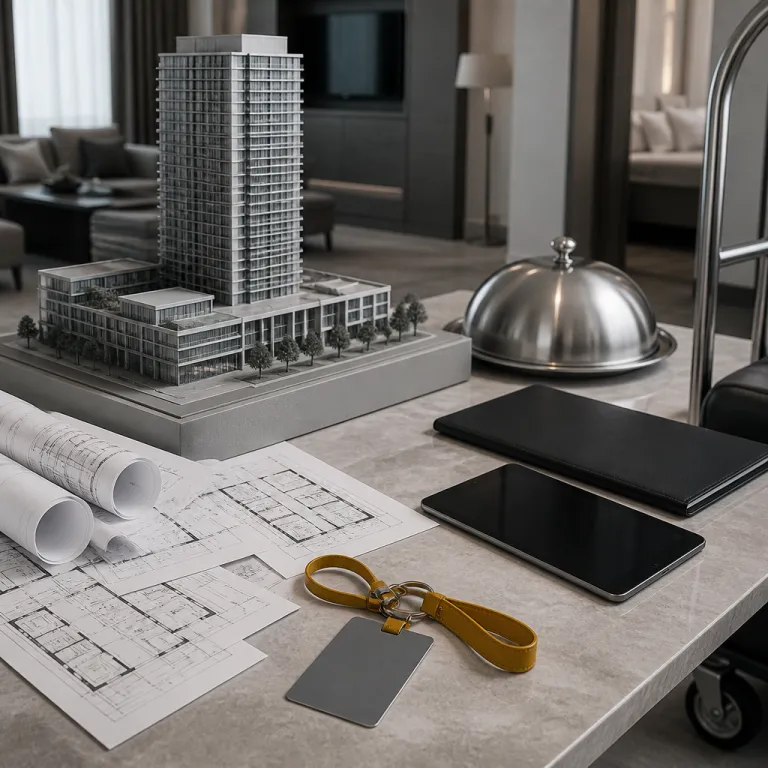
Branded residences in Argentina sit at the crossroads of private home ownership and full hotel service. In practical terms, a branded residence is a deeded apartment or villa that is attached to a hotel and run with the same luxury standards as the rooms and suites. For a frequent visitor to Buenos Aires, that means you can arrive at your place in the city and find the fridge stocked, the sheets pressed and the concierge already holding your restaurant reservations.
This model differs sharply from buying a standard flat in Buenos Aires, where you manage everything from utilities to security and cleaning. With branded residences, the hotel operator handles staffing, maintenance and guest services, often under a global flag such as Accor, Fairmont or Sofitel, and you pay clearly defined service charges in return. The result is a turnkey base in Argentina that behaves like a private home but feels like a consistently run luxury hotel, especially appealing if your time in the city is measured in intense three night bursts.
For business leisure travellers, branded residences Argentina options offer a rare combination of privacy and efficiency. You can host a client dinner in your own dining room, then rely on the hotel kitchen and sommelier to stage it with the same polish as a top suite. When you fly out again, the housekeeping team closes the residence down, and the hotel’s rental programme may place it into a pool so it can generate income while you are back in the United States or in Los Angeles, Miami or Dubai.
How hotel serviced living compares with a suite or a classic flat
Many executives weighing branded residences Argentina opportunities start by comparing them with simply booking a large suite. A suite in a top Buenos Aires property gives you space and service, but it rarely offers the full residential layout of a branded residence, with a proper kitchen, laundry and storage for personal belongings. In a residence, you can leave your tailored suits, Malbec collection and running shoes in place between trips, which changes how the city feels when you land at Aeroparque.
Compared with a classic apartment in Buenos Aires, branded residences bring a different risk and reward profile. You still own real estate in Argentina, but the building is usually managed by an international operator such as Accor, which can support higher nightly rates and stronger brand recognition in markets like the United States or the United Arab Emirates. That brand halo, whether it is linked to Sofitel residences, Fairmont residences or Raffles residences in other cities, often underpins the rental potential and the long term resale story.
Hotel serviced living also reshapes how you use time on the ground. Instead of organising cleaners, repairs or key handovers, you lean on the same concierge desk that handles VIPs in the hotel lobby, and you focus on meetings in Puerto Madero or dinners in Palermo. If you are considering a festive season stay, the logic is similar to choosing a refined hotel for a luminous summer holiday in Buenos Aires, and guides to elegant Christmas stays in the city can help you benchmark service levels before you ever look at a residence floor plan.
Buenos Aires gems: where branded residences fit into the city map
Within Buenos Aires, the most natural terrain for branded residences Argentina projects is the waterfront and the historic core. Puerto Madero, with its converted docks and glass towers, already reads like a Latin American cousin to a marina district in Miami or Dubai, and any future residences Buenos Aires schemes here will likely lean into that international skyline aesthetic. A branded residence overlooking the docks would give you walking access to corporate offices, riverfront jogging paths and some of the city’s most polished steak houses.
Further west, the heritage rich avenues of Recoleta and Retiro offer a different canvas for branded residences. Here, the appeal lies in high ceilinged apartments, embassy lined streets and proximity to cultural institutions, which suits a more discreet style of luxury living. A residence in this part of Buenos Aires would feel closer to a Parisian pied à terre than to the glassy towers of uptown Dubai or palm lined beach residences in Miami, yet the hotel service layer keeps it firmly in the global branded residences conversation.
For travellers using myargentinastay.com as a planning tool, the decision often comes down to how you want Buenos Aires to work for you between flights. Our elegant guide to the best hotels in Argentina is a useful benchmark for understanding which brands already deliver consistently in the market. Once you know how a given luxury flag performs on the hotel side, you can evaluate any future residences Buenos Aires project under the same lens, asking whether the service culture and maintenance standards will hold over the long term.
Argentina’s next wave: from Mendoza vineyards to urban branded projects
While Buenos Aires draws the headlines, the most concrete branded residences Argentina news currently comes from wine country. Meliá is developing two properties in Mendoza with Grupo Almarena, including a Meliá Collection resort in the Valle de Uco with 110 rooms of which 10 are branded residences, plus a 140 room urban Meliá Mendoza near Plaza Independencia ; both are slated to open in 2028. Those ten residences in Valle de Uco will effectively function as vineyard homes with hotel backup, a compelling proposition if you split your time between boardrooms and barrel tastings.
In the city of Mendoza, the urban Meliá project will likely appeal to executives who treat the region as a recurring hub. Owning one of the branded residences there would mean stepping off a flight, driving less than 15 kilometres into town and finding a fully serviced apartment ready for a week of meetings and winery visits. It is a different rhythm from Buenos Aires, but the same logic applies ; you buy into a managed ecosystem rather than a standalone flat.
These Argentine developments sit within a broader global pattern, where branded residences have become almost standard in new luxury projects from Dubai to Miami. In uptown Dubai, for example, residences Dubai towers often combine hotel floors with branded residences above, while palm Dubai complexes mix beach residences with tree lined promenades and marina views. Argentina is arriving later to this party, which can be an advantage for buyers who want to study how residences palm style schemes in Dubai or residences Abu Dhabi projects have performed before committing capital in Mendoza or Buenos Aires.
Global benchmarks: what Buenos Aires can learn from Dubai, Miami and beyond
To understand where branded residences Argentina might head, it helps to look at mature markets. In Dubai, branded residences cluster around key districts such as the marina, Palm Jumeirah and uptown Dubai, where residences Dubai towers are often linked to global names like Raffles, Fairmont or Sofitel. These complexes typically blend hotel rooms, branded residences and amenities such as beach clubs, tree shaded pools and yacht marinas, creating a self contained lifestyle that appeals to buyers from the United States, Europe and the wider Middle East.
Miami offers a different but equally instructive model, with beach residences lining the Atlantic and urban branded projects rising in Brickell and downtown. There, the strongest performers tend to be those where the hotel brand has a clear identity and a proven track record in both hotel operations and residence management. Buyers study how Fairmont residences or Sofitel residences have handled service charges, rental pools and resale values in cities from Los Angeles to Abu Dhabi before they sign contracts in any new project.
For Buenos Aires, the lesson is that the brand name on the door matters, but so does the on the ground execution. A Raffles residences tower in Dubai or a Banyan Tree residences complex in Southeast Asia succeeds not only because of the logo, but because the spa, concierge and maintenance teams deliver consistently year after year. As branded residences Argentina options emerge, you will want to ask whether the local équipe can match the standards seen in flagship properties abroad, and whether the heritage and character of Buenos Aires are being enhanced rather than flattened by imported design templates.
Due diligence: questions to ask before buying into hotel serviced living
Any serious buyer looking at branded residences Argentina opportunities should approach the process with the same rigour they would apply to a private equity deal. Start with the basics ; who is the hotel operator, and what is their track record with residences in other markets such as Dubai, Miami or Abu Dhabi. If the flag is part of a major group like Accor, which oversees brands including Sofitel, Fairmont and Raffles, ask specifically how their residences division is structured and how many completed projects they manage today.
Next, interrogate the numbers behind the lifestyle promise. Service charges for branded residences can be significantly higher than for standard apartments in Buenos Aires, because you are paying for 24 hour staffing, hotel grade maintenance and shared amenities such as pools, gyms and sometimes beach style clubs along the Río de la Plata. Request detailed historical données from comparable projects, including occupancy rates in rental pools, average nightly rates and any restrictions on personal use, so you can model realistic ROI scenarios rather than relying on glossy brochures.
Finally, look beyond the marketing language about luxury and heritage to the legal and operational fine print. Clarify whether you are buying freehold or a long lease, how the owners’ association is structured and what happens if the hotel brand ever exits the project. If you are unsure whether ownership suits your travel pattern, consider using a long stay in a top Buenos Aires hotel as a test run, ideally timed during the shoulder season when smarter luxury travel in September allows you to experience the city with fewer crowds and more attentive service.
Who should buy a branded residence and who should book a suite instead
Branded residences Argentina options are not for every traveller, and that is precisely their strength. They work best for executives and families who return to Buenos Aires or Mendoza several times a year, value hotel level service and are comfortable tying up capital in real estate. If you are in Argentina once every few years, or you prefer to sample different neighbourhoods each trip, then a sequence of carefully chosen hotel stays will likely serve you better.
Ownership makes the most sense when you can imagine a clear pattern of use. Perhaps you spend one week a month in Buenos Aires, working in Puerto Madero by day and retreating to a quiet residence with river views at night, or you plan to split your time between a vineyard residence in Valle de Uco and a city base near Plaza Independencia. In those cases, the ability to leave personal belongings in place, host colleagues in a private setting and earn rental income between visits can justify the higher service charges and the long term commitment.
For others, the flexibility of booking a suite remains unbeatable. You can choose a Sofitel one trip, a Fairmont the next and maybe a property run by a group like Banyan Tree if and when it enters the Argentine market, always matching the hotel to the mood of the journey. myargentinastay.com exists precisely for this kind of traveller, curating stays that range from palatial city hotels to vineyard lodges, so you can enjoy the essence of hotel serviced living without ever signing a purchase contract.
Key figures shaping branded residences and hotel serviced living
- According to Meliá and Grupo Almarena, the upcoming Valle de Uco resort will include 110 rooms, of which 10 will be branded residences, meaning roughly 9 % of the inventory is dedicated to ownership units within a hotel environment.
- Global consultancy reports on branded residences indicate that the number of schemes worldwide has grown by more than 150 % over the past decade, with Dubai, Miami and other United States hubs among the most active markets for new launches.
- In mature destinations such as Dubai and Abu Dhabi, branded residences linked to established hotel operators often command price premiums of 25 to 35 % over comparable non branded apartments, reflecting the perceived value of service, security and rental performance.
- Buenos Aires and Mendoza are currently at a much earlier stage, with only a handful of confirmed branded projects, which gives early buyers a chance to enter the market before any significant local price premium becomes standard.
FAQ about branded residences in Argentina
What exactly is a branded residence in Argentina ?
A branded residence in Argentina is a privately owned apartment or villa that is physically connected to a hotel and managed under the same brand, service standards and operational systems. Owners have access to hotel style services such as housekeeping, concierge support and sometimes in room dining, while also holding a real estate title that can be sold or rented out under agreed terms.
Are branded residences in Buenos Aires a good investment ?
The investment case for branded residences in Buenos Aires depends on location, operator quality and your personal usage pattern. In prime areas such as Puerto Madero or heritage rich districts like Recoleta, well managed projects with strong hotel partners can offer solid rental demand and potential capital appreciation, but buyers should analyse service charges, rental pool rules and resale conditions carefully before committing.
How do service charges for branded residences compare with normal flats ?
Service charges for branded residences are typically higher than for standard apartments in Argentina, because they cover 24 hour staffing, hotel grade maintenance and shared amenities such as pools, gyms and sometimes spa facilities. Buyers should request a detailed breakdown of these costs, compare them with similar projects in markets like Dubai or Miami and ensure that projected rental income or personal usage justifies the ongoing expense.
Can I rent out my branded residence when I am not in Argentina ?
Most branded residence schemes in Argentina and abroad offer some form of rental programme, often managed by the hotel operator under the same brand umbrella. Owners usually have the option to place their unit into a rental pool for part of the year, receiving a share of the revenue after management fees and service charges, but the exact terms, blackout dates and revenue splits vary by project and must be reviewed in the contract.
Who should consider buying a branded residence instead of booking hotels ?
Buying a branded residence makes the most sense for travellers who visit Argentina frequently, value consistent hotel level service and are comfortable with a long term real estate commitment. Executives who split their time between cities such as Buenos Aires, Miami and Dubai, or wine lovers who return to Mendoza several times a year, are typical profiles for whom a hotel serviced home base can be more efficient and emotionally satisfying than a rotating series of hotel suites.
References: Meliá Hotels International ; Grupo Almarena ; global branded residence market analyses by major real estate consultancies.