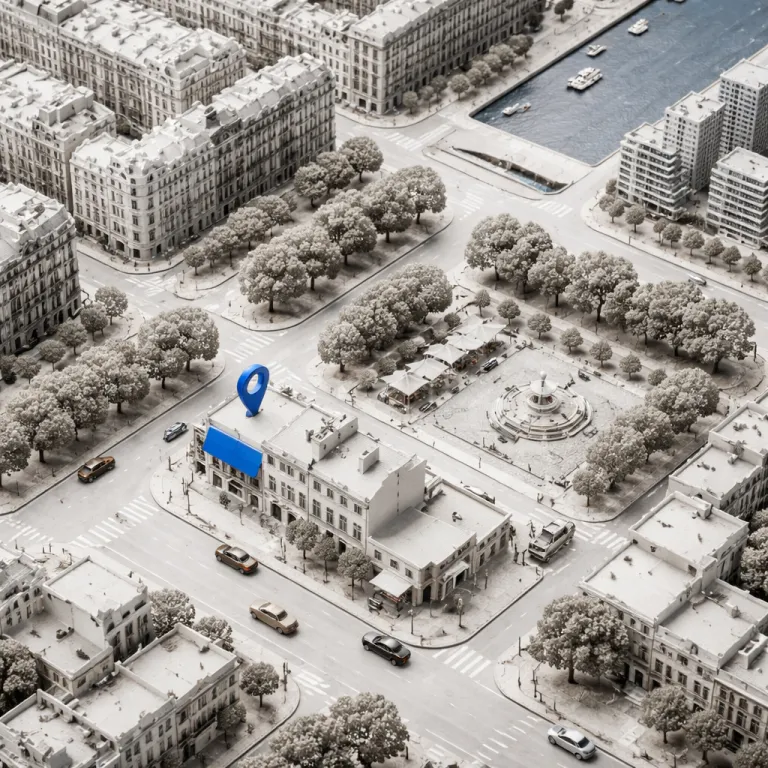
How to choose the best neighborhood to stay in Buenos Aires
Choosing the best neighborhood to stay in Buenos Aires starts with understanding how you like to travel. Some guests want a quiet luxury hotel with generous rooms, while others prefer a lively city area with cafés and galleries. When you plan your stay Buenos carefully, the right district turns every day into a seamless experience.
Begin by mapping the main places you want to see in Buenos Aires. Many first time visitors focus on the best things near Recoleta Cemetery, Teatro Colón, Plaza Dorrego, and the renovated docks of Puerto Madero. A short walk from your hotel to these icons saves time and lets you feel the rhythm of the city area from morning to night.
Safety, transport, and style also shape which neighborhood feels like the best. Recoleta offers an elegant, calm atmosphere, while Palermo and Palermo Soho feel more creative and youthful. San Telmo and Villa Crespo provide a more local side of Buenos Aires, with mid range hotels and characterful streets that appeal to curious travelers.
Think about how you balance luxury and authenticity during your stay. Puerto Madero concentrates some of the best hotels in Argentina, with polished service and river views, yet prices can be higher than in other areas. In contrast, Palermo Hollywood and Villa Crespo mix design forward hotels with residential charm, giving you space to relax after a long day in the city.
Finally, consider how many days you will spend in Buenos Aires. If you have limited time, staying close to central attractions and transport hubs becomes essential. With more days, you can split your stay between two neighborhoods, such as Recoleta and Palermo, to experience both classic elegance and contemporary energy.
Recoleta and Retiro for classic elegance and cultural landmarks
For many travelers, Recoleta is the best neighborhood to stay in Buenos Aires when culture and refinement matter most. This area combines grand architecture, leafy plazas, and some of the city’s most respected luxury hotels. A stay Buenos in Recoleta places you near museums, embassies, and graceful avenues that feel distinctly European yet unmistakably Argentina.
The highlight for many first time visitors is Recoleta Cemetery, where ornate mausoleums line narrow paths like an open air sculpture gallery. From most hotels in this neighborhood, you can reach it with a short walk, then continue toward nearby cultural centers and parks. Evenings are ideal for strolling past cafés and wine bars before returning to quiet, comfortable rooms.
Retiro borders Recoleta and offers a slightly more urban feel, with transport hubs and traditional city hotels. Here you will find both mid range and luxury properties, including international brands and local names such as Loi Suites. This area works well if you plan day trips beyond Buenos Aires, thanks to easy access to train and bus stations.
Guests who value service and discretion often rate Recoleta among the best hotels districts in South America. Many properties feature marble lobbies, refined restaurants, and rooms with city or park views. The atmosphere suits couples, solo travelers, and business guests who prefer calm streets at night rather than intense nightlife.
From Recoleta and Retiro, it is simple to visit Buenos city highlights like Teatro Colón and the central plazas. Taxis and ride hailing services are widely available, and major attractions are rarely more than a short drive away. This balance of convenience, safety, and elegance explains why Recoleta remains a timeless choice for a sophisticated stay.
Palermo, Palermo Soho, and Palermo Hollywood for style, parks, and nightlife
Palermo is often named the best neighborhood to stay in Buenos Aires for travelers who enjoy design, dining, and nightlife. Covering about 15.6 km², this large area includes Palermo Soho and Palermo Hollywood, each with its own personality. Together they offer a wide range of hotels, from intimate luxury properties to stylish mid range options with spacious rooms.
Palermo Soho centers on leafy streets, independent shops, and a relaxed café culture that appeals to creative visitors. Many of the best hotels here occupy renovated townhouses, with interiors that blend Argentine art, warm woods, and contemporary comfort. Staying in this part of Buenos Aires means you can spend the day exploring galleries, then enjoy dinner at a modern parrilla before walking back to your hotel.
Palermo Hollywood, by contrast, has a slightly more urban edge, with production studios, cocktail bars, and late night restaurants. This area is ideal if you want a lively stay Buenos with easy access to nightlife yet quieter residential streets by day. Luxury hotels and well designed mid range properties sit side by side, giving you flexibility on budget without sacrificing style.
The wider Palermo neighborhood is also perfect for travelers who value green spaces and outdoor time. You can take a short walk from many hotels to the Bosques de Palermo, where lakes, rose gardens, and running paths offer a peaceful break from the city. Families and long stay guests appreciate this mix of nature, dining, and shopping within one connected area.
Because Palermo lies slightly away from the historic center, taxis or the metro are useful for reaching San Telmo, Puerto Madero, or downtown. However, many guests find that the best things about Buenos Aires, from inventive cuisine to relaxed nightlife, are already on their doorstep. For style conscious visitors, Palermo, Palermo Soho, and Palermo Hollywood remain compelling choices.
San Telmo, Plaza Dorrego, and the historic south of the city
San Telmo is the best neighborhood to stay in Buenos Aires for travelers drawn to history, tango, and atmospheric streets. As one of the city’s oldest districts, it has around four centuries of stories in its cobblestones and courtyards. A stay Buenos in this area offers a strong sense of place, especially for guests who enjoy characterful hotels and traditional cafés.
The heart of the neighborhood is Plaza Dorrego, where antique stalls and street performers animate weekends. Many hotels and guesthouses cluster around these streets, allowing you to reach the square with a short walk at any time of day. In the evenings, tango shows and live music spill from bars, creating one of the best things to experience in Buenos Aires.
San Telmo suits travelers who prefer authenticity over polished luxury, though a few high end hotels are emerging. You will find comfortable mid range properties in restored mansions, often with high ceilings, tiled floors, and spacious rooms. These hotels provide a charming base for exploring the south of the city, including nearby La Boca and its colorful houses.
Because the area is older, streets can be uneven, and nightlife can feel lively late into the night. Guests who prioritize quiet may choose a hotel on a side street rather than directly on Plaza Dorrego. During the day, the neighborhood feels relaxed, with cafés, design shops, and small galleries showcasing Argentina’s creative scene.
From San Telmo, it is easy to reach central Buenos Aires, Puerto Madero, and even Recoleta by taxi or bus. Many first time visitors combine a few days here with time in Palermo or Recoleta to balance history and comfort. This layered experience helps you understand how the city evolved from colonial port to modern South America capital.
Puerto Madero, Villa Crespo, and emerging areas for a different perspective
Puerto Madero is widely regarded as the best neighborhood to stay in Buenos Aires for waterfront luxury. Converted docks now host glass towers, upscale restaurants, and some of the best hotels in the city. Many rooms overlook the docks or the Río de la Plata, giving your stay Buenos a contemporary, international atmosphere.
Luxury hotels in Puerto Madero often feature generous wellness facilities, fine dining, and attentive concierge teams. This area appeals to travelers who value security, modern infrastructure, and easy access to the financial district. From here, you can take a short walk to the ecological reserve, enjoying a rare slice of nature beside the urban skyline.
By contrast, Villa Crespo offers a more residential and artistic side of Buenos Aires. This neighborhood borders Palermo but feels quieter, with independent designers, music venues, and a growing number of mid range hotels. For guests who want to visit Buenos like a local, Villa Crespo provides authenticity without sacrificing comfort.
Rooms in Villa Crespo hotels tend to be spacious, with thoughtful details and relaxed service. Prices are often lower than in Palermo Soho or Puerto Madero, making this area attractive for longer stays. Food lovers appreciate the mix of traditional parrillas and contemporary restaurants that line its streets.
When comparing Puerto Madero and Villa Crespo, think about how you like to move through the city. Puerto Madero suits travelers who prefer a polished base and will taxi to San Telmo, Recoleta, or Teatro Colón. Villa Crespo, on the other hand, places you near Palermo Hollywood and Palermo Soho, with easy access to many of the best things in Buenos Aires.
Planning multi stop stays, day trips, and hotel categories in Buenos Aires
Many travelers find that the best neighborhood to stay in Buenos Aires changes as their trip unfolds. A smart strategy is to divide your time between two areas, such as Recoleta and Palermo, or San Telmo and Puerto Madero. This approach lets you enjoy both historic charm and modern luxury hotels without constant long transfers across the city.
For example, you might begin your stay Buenos in Recoleta, focusing on museums, Recoleta Cemetery, and central landmarks like Teatro Colón. After a few days, you could move to Palermo Soho or Palermo Hollywood for dining, nightlife, and parks. This shift in neighborhood keeps the experience fresh while still allowing you to revisit your favorite city spots.
Hotel categories in Buenos Aires range from discreet luxury to well located mid range properties. The best hotels often feature spacious rooms, high quality linens, and concierge teams who can arrange restaurant reservations or private tours. Mid range hotels, meanwhile, deliver excellent value, especially in Villa Crespo, San Telmo, and parts of Palermo.
When planning day trips beyond the capital, location becomes even more important. Travelers heading to Iguazú Falls, for instance, often combine a stay in Buenos Aires with a refined hotel near the waterfalls ; for curated options, you can review this guide to where to stay near Iguazú Falls in Argentina. Easy access to airports and domestic flights makes it simple to connect the city with other regions of Argentina and South America.
Throughout your planning, remember that “Which neighborhood is best for nightlife?” and “Is Recoleta safe for tourists?” are common questions, and “What is unique about San Telmo?” often follows. These real concerns highlight how safety, ambiance, and cultural depth shape the choice of area. By aligning your priorities with each neighborhood’s strengths, you can design a stay that feels both efficient and deeply rewarding.
Practical tips for choosing the best hotels and making the most of your stay
To finalize where to stay, compare how each neighborhood in Buenos Aires matches your daily rhythm. Early risers may prefer Recoleta or Puerto Madero, where mornings feel calm and polished. Night owls often rate Palermo, Palermo Soho, and Palermo Hollywood as the best neighborhood to stay in Buenos Aires for late dinners and bars.
When evaluating specific hotels, look beyond star ratings and focus on recent guest feedback. Pay attention to comments about noise levels, room size, and how accurately photos reflect reality. Properties like Loi Suites in Recoleta show how established brands can combine consistent service with a strong sense of place in Argentina.
Check walking distances from your chosen hotel to metro stations, parks, and major sights. A short walk to key avenues or plazas can transform your stay Buenos, especially if you like exploring on foot. In San Telmo and Villa Crespo, being close to main streets improves access to taxis and buses while keeping a local feel.
Think about how many days you will visit Buenos and whether you plan side trips. For shorter stays, prioritize central areas like Recoleta, San Telmo, or Puerto Madero to minimize travel time. Longer itineraries can comfortably include Palermo and Villa Crespo, giving you a broader view of the city’s neighborhoods.
Finally, remember that the best hotels are those that align with your expectations, not only with rankings. Clarify whether you value spa facilities, quiet rooms, or proximity to nightlife before booking. With thoughtful planning, each area of Buenos Aires can offer a memorable, comfortable base for exploring one of South America’s most compelling capitals.
Key statistics about Buenos Aires neighborhoods for travelers
- Palermo covers approximately 15.6 km², making it one of the largest and most diverse districts for hotels and dining.
- Recoleta has an estimated population of around 188 000 people, supporting a wide range of services and amenities for visitors.
- San Telmo has a history of roughly 400 years, which explains its strong colonial character and preserved architecture.
Common questions about choosing where to stay in Buenos Aires
Which neighborhood is best for nightlife?
Palermo, including Palermo Soho and Palermo Hollywood, is renowned for its vibrant nightlife, with numerous bars, restaurants, and late opening venues. Travelers who want to be close to evening activity often choose this area as the best neighborhood to stay in Buenos Aires. The mix of luxury and mid range hotels means you can enjoy the scene while still returning to comfortable, well equipped rooms.
Is Recoleta safe for tourists?
Recoleta is considered a safe area for visitors, particularly around its main avenues, parks, and cultural institutions. As one of the city’s most established neighborhoods, it benefits from regular police presence and well maintained public spaces. Normal urban precautions still apply, but most travelers feel at ease walking between hotels, restaurants, and Recoleta Cemetery during the day and evening.
What is unique about San Telmo?
San Telmo is known for its historic charm and tango culture, with cobblestone streets, antique markets, and traditional cafés. Plaza Dorrego becomes especially lively on weekends, when performers and vendors create a distinctive atmosphere. Staying in this neighborhood offers a direct connection to the older layers of Buenos Aires, which many travelers find unforgettable.