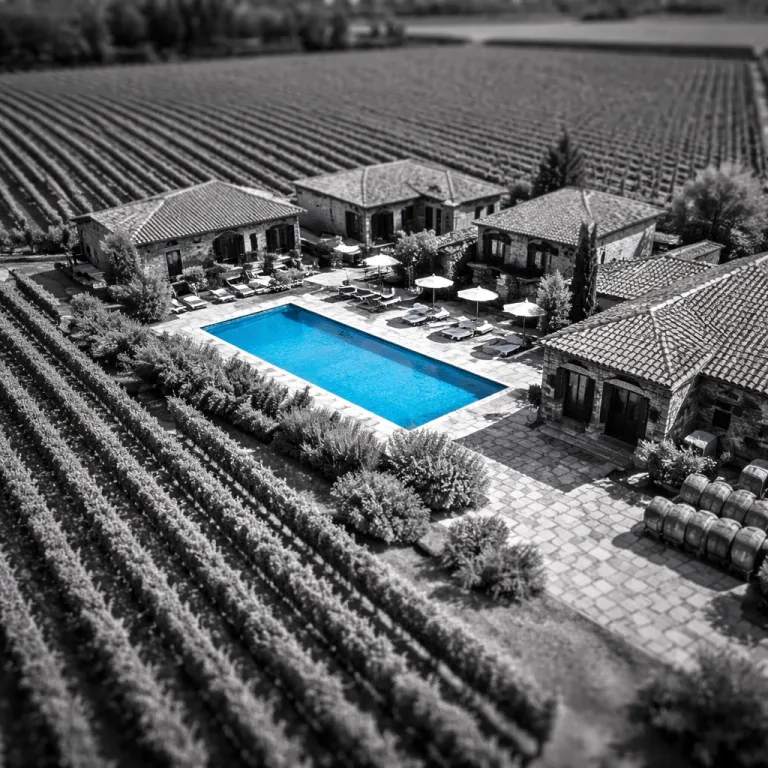
Mendoza wine route: how to choose the right wine hotel

Why the Mendoza wine route is worth planning your whole stay around
Rows of vines run straight towards the Andes, then stop abruptly at a wall of snow and rock. That visual shock – vineyards meeting mountains – is the essence of the Mendoza wine route, and it shapes the hotel experience as much as the wine. If you are wondering whether to base your trip here, the answer is simple : for wine-focused travel in Argentina, this is the region that sets the standard.
The area around Mendoza city, Luján de Cuyo and the Uco Valley concentrates roughly 1 200 wineries and about 160 000 hectares of vineyards, according to Wines of Argentina and INV data. Staying in a wine hotel here is not just about sleeping near vines ; it usually means waking up to vineyard views, walking to wine tastings, and watching harvest activity from the swimming pool. Many properties are located at the foot of the Andes, so you get both cellar doors and high-altitude scenery in a single frame.
This is a strong choice if your trip revolves around Mendoza wine, local wines and slow days between tastings, long lunches and outdoor time. It suits travelers who prefer a lodge or posada with character over a generic resort, and who value direct access to vineyards more than being in the middle of city nightlife. If you want to split your stay, a few nights in Mendoza city and several nights on the wine route – for example in Luján de Cuyo or at one of the best Uco Valley wine hotels – work particularly well.
Recommended wine hotels on the Mendoza wine route
- Park Hyatt Mendoza (Mendoza city, approx. US$200–350): grand city hotel with easy access to urban restaurants and day trips to nearby wineries.
- Diplomatic Hotel (Mendoza city, approx. US$180–300): central base with views over the city and quick transfers to Maipú and Luján de Cuyo.
- Entre Cielos Wine Hotel & Spa (Luján de Cuyo, approx. US$250–450): design-led vineyard retreat with hammam spa and direct access to vines.
- Cavas Wine Lodge (Luján de Cuyo, approx. US$500–900): romantic wine resort with private plunge pools and panoramic Andes views.
- Casa de Uco (Uco Valley, approx. US$350–700): contemporary estate surrounded by vineyards, ideal for wine tastings and outdoor activities.
- The Vines Resort & Spa (Uco Valley, approx. US$450–900): upscale villa-style resort with a focus on Malbec, food and mountain scenery.
- Posada Salentein (Uco Valley, approx. US$180–300): relaxed country-style posada on a working finca, good value for immersive vineyard stays.
Choosing your base: city, Luján de Cuyo or Uco Valley ?
Avenida Belgrano in central Mendoza feels a world away from the gravel roads of Uco Valley, yet they are part of the same wine route. Where you book your hotel will shape your entire stay. Properties located in or near the city suit travelers who want urban restaurants, leafy plazas and easy day trips to nearby vineyards. You trade immediate vineyard views for cafés, museums and shorter transfers from the airport. Boutique options like Park Hyatt Mendoza or Diplomatic Hotel place you within a 15–25 minute drive of Maipú and Luján de Cuyo wineries.
Luján de Cuyo, just south-west of the city, is classic wine country. Here you find traditional Argentine wineries, long-established vines and a mix of small posadas and more polished wine hotels. It is ideal if you want to visit several cellars in one day without long drives, then return to a swimming pool and a glass of Malbec before dinner. Roads between Chacras de Coria and Vistalba are lined with olive trees, low stone walls and discreet gates hiding wine lodges behind them. Representative stays include Entre Cielos Wine Hotel & Spa, Cavas Wine Lodge and smaller fincas around Agrelo, typically from mid-range to luxury price brackets.
Continue south towards the Uco Valley and the landscape opens dramatically. Vineyards sit at higher altitude, the air is drier, and the Andes feel almost within reach. This is where many of the most design-forward wine hotels and lodges are located, often with outdoor pools facing the mountains and suites spread out among the vines. The trade-off : longer drives – around 75–90 minutes from Mendoza city to areas like Tunuyán or Los Árboles – but a stronger sense of retreat and immersion in the landscape. Properties such as Casa de Uco, The Vines Resort & Spa or Posada Salentein illustrate the range, from contemporary estates to more traditional posadas.
What to expect from a wine hotel stay in Mendoza
Check-in at a serious wine lodge in Mendoza rarely starts at a front desk. More often, it begins with a small pour of local wines in a quiet sala, while someone points out the surrounding vineyards and the line of the Andes on a simple map. The atmosphere is unhurried. Staff assume you are here to slow down, not to rush through a checklist of activities, and many teams include a dedicated concierge or sommelier to help you plan tastings.
Rooms tend to be generous rather than ostentatious : suites with private terraces, simple wooden furniture, large windows framing vines or gardens. Many properties are built as low-slung casas scattered around the estate, so you step directly from your room into the vineyard or an internal patio. Expect at least one outdoor pool or swimming pool, often positioned for sunset views when the mountains turn pink and the vines darken. Typical nightly rates range from around US$150–250 for smaller posadas in shoulder season to US$500 and above at high-end vineyard resorts during harvest.
Wine tastings are usually integrated into the stay. Some hotels include a daily tasting of Mendoza wine, others offer a more structured program with vertical tastings, blending sessions or visits to partner wineries. Food leans towards traditional Argentine cooking – think asado, empanadas, seasonal vegetables from kitchen gardens – but interpreted with a lighter, more contemporary touch. The rhythm of the day follows the sun : late breakfasts, long lunches, siestas by the pool, then dinners that start when the sky is already dark.
Atmosphere and style: from historic posada to contemporary lodge
Not all wine hotels in Mendoza feel the same. Some are converted family casas in older districts like Chacras de Coria, with thick adobe walls, shaded courtyards and a few rooms tucked among fruit trees. These places feel intimate, almost like staying at a private home, with the owner’s wine production present but not overwhelming. You might walk past a small cellar on your way to the swimming pool, or taste a Malbec made from vines you can see from your window, as in several long-running posadas attached to traditional bodegas.
Further out in the Uco Valley, the mood shifts to contemporary lodges surrounded by vineyards on all sides. Architecture here often plays with glass, concrete and stone, opening suites to the landscape and blurring the line between indoor and outdoor. An outdoor pool might run parallel to a row of vines, so you swim with the Andes directly ahead. These properties tend to feel more like discreet resorts, with spa cabins, firepits and carefully lit paths between the main casa and the rooms. Many of the best Uco Valley wine hotels also offer guided tastings of local wines from multiple producers, not just their own labels.
Between these two extremes, you find small wine lodges on working fincas, where the focus is on the agricultural cycle. During harvest, you may see crates of grapes arriving at dawn ; in winter, pruning teams move methodically along the rows. If you value authenticity and do not mind a little dust on the road, this type of stay can be particularly rewarding. If you prefer manicured lawns and a more polished resort atmosphere, choose a property with a clearly defined garden and pool area rather than one embedded in a busy vineyard, and verify in advance whether there is a full restaurant, spa or only simple on-site services.
Seasonality, outdoor life and how the landscape shapes your days
February to April, when harvest takes place, is the most vivid time on the Mendoza wine route. Hotels are busy, vineyards are full of movement, and wine tastings often include freshly crushed juice or barrel samples. If you stay during this period, expect long, warm days, intense light and a strong outdoor focus : breakfasts on the terrace, swimming in the outdoor pool, late dinners under the stars. Booking well ahead is essential at this time, especially for smaller vineyard lodges.
Winter, from June to August, is quieter but not lifeless. The vines are bare, the Andes often snowcapped, and the mood in the lodges turns inward. Fireplaces become central, tastings move indoors, and the swimming pool is more of a visual element than a daily ritual. This season suits travelers who care more about cellar visits, food and calm than about sunbathing. The light is softer, the air crisp, and the landscape feels more austere, almost meditative, with easier last-minute availability and slightly lower rates at many properties.
Spring and early summer bring a different energy. Budbreak, then veraison, transform the vineyards from grey lines to lush green, and hotels reopen their outdoor spaces fully. It is a good compromise if you want reliable weather for outdoor activities – cycling between vineyards, walking along irrigation canals, horse riding at the foot of the Andes – without the intensity of harvest crowds. Whatever the season, the landscape dictates the rhythm : this is not a place for hurried itineraries, and planning one or two winery visits per day is usually more enjoyable than trying to fit in many.
How to choose and what to verify before you book
Location is the first filter. Decide whether you want to be based near Mendoza city for easier logistics, in Luján de Cuyo for classic estates, or deeper in the Uco Valley for more dramatic vineyard views. Check actual distances : a hotel described as “near Uco Valley” can still be 30 kilometres from the cluster of wineries you plan to visit, and driving from central Mendoza to Tupungato or Gualtallary can take up to 90 minutes each way. Look at maps rather than relying on broad regional labels, and note whether access roads are paved or gravel.
Next, clarify how integrated the wine experience is. Some properties are full wine hotels with their own production, on-site tastings and vineyards literally outside your door. Others are more like country lodges that partner with nearby wineries. Neither is inherently better ; if you are a serious wine traveler, you may prefer to stay where you can walk from your suite to the vines in minutes. If you are traveling with someone less focused on wine, a place with a stronger resort feel – extensive gardens, a large swimming pool, perhaps wellness facilities – can balance the trip. Ask in advance whether the hotel can pre-book tastings at popular bodegas, as many now require reservations.
Finally, pay attention to scale and privacy. A small posada with a handful of rooms offers a quiet, almost private stay, but fewer services. Larger lodges feel more structured, with scheduled activities and more staff on hand, but also more guests around the pool. Think about how you like to spend your afternoons : reading in silence under a tree, or chatting with other travelers over a glass of Malbec. The right hotel on the Mendoza wine route is the one whose rhythm matches your own. For transport, compare renting a car – useful if you are comfortable with rural roads and designated drivers – with hiring local drivers or using hotel-arranged transfers, which many visitors prefer when planning full days of tastings.
FAQ
Is the Mendoza wine route a good choice for a first trip to Argentina ?
Yes, the Mendoza wine route works very well for a first trip, especially if you are interested in wine and landscape. The region combines accessible vineyards, clear views of the Andes and a range of hotels from intimate posadas to more complete lodges. It is easy to pair a stay here with a few days in Buenos Aires, giving you both urban culture and time among the vines, and flight connections between the two cities are frequent.
What is the best time of year to stay at a wine hotel in Mendoza ?
The most immersive period is from February to April, during harvest, when vineyards are active and many hotels offer special tastings or events. Spring and early summer are also attractive, with green vines and comfortable temperatures for outdoor activities. Winter is quieter but appealing if you prefer calm, fireplaces and a more introspective atmosphere around the wine, and it can be a good moment to find value at some of the best Uco Valley wine hotels.
Do hotels on the Mendoza wine route offer wine tastings on site ?
Many wine-focused hotels in Mendoza integrate tastings into the stay, either through daily pours of their own labels or scheduled sessions with a sommelier. Some properties have small cellars where you can taste directly from barrels or tanks, while others organize guided tastings of different local wines from the region. It is worth checking in advance how formal or extensive these experiences are, especially if wine is the main reason for your trip, and whether tastings are included in the room rate or charged separately.
Is it necessary to rent a car to explore the vineyards from my hotel ?
Renting a car gives you the most flexibility, particularly in Luján de Cuyo and the Uco Valley where distances between wineries can be significant. However, many hotels can arrange private drivers or guided tours for day trips, which is often preferable if you plan to taste extensively. For a short stay focused on relaxation, you can also choose a property with its own vineyards and spend more time on site, limiting the need for transport. Local agencies and hotel concierges are used to organizing full-day circuits that link two or three bodegas with lunch.
How long should I stay on the Mendoza wine route ?
A minimum of three nights allows you to settle into the rhythm of vineyard life, visit a few wineries and still enjoy time by the pool or in the gardens. Four to five nights are ideal if you want to explore both Luján de Cuyo and the Uco Valley without rushing. Shorter stays are possible, but you will experience more driving and less of the slow, contemplative pace that makes this region special, so it is worth concentrating on one main area rather than trying to cover the whole province.
